- News
- lifestyle
- soul-search
- 1/01/26 at 1:11: Why this Tej Patta ritual is going viral right now
Trending
1/01/26 at 1:11: Why this Tej Patta ritual is going viral right now

What exactly is the tej patta ritual
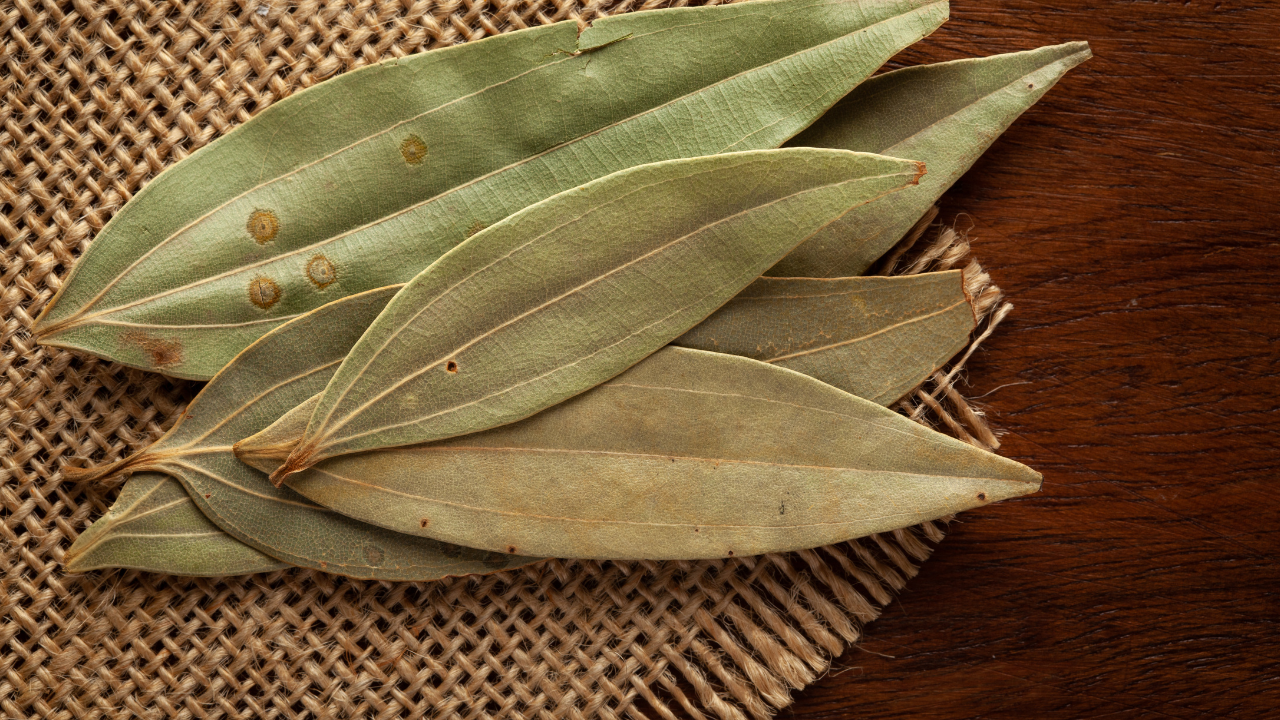
How to do the ritual at 1:11

- Take one clean, dry tej patta
- Write one clear intention on it using a pen or marker
- Keep it specific. One goal, not a list.
- At 1:11 on 1 January 2026, hold the leaf and read the intention silently or out loud and visualise it, be happy as if you already have everything. After that, either keep the leaf in a safe place like a diary or wallet, or burn it carefully and discard the ashes. There is no requirement for chanting, prayers, or repetition. The emphasis is on timing, clarity, and focus.
Why 1:11 matters to people
Why people believe it works
Perceived benefits people report

Why this ritual is spreading now
What actually determines results
Get the latest lifestyle updates on Times of India, along with Happy New Year wishes, messages and quotes !

About the AuthorTOI Lifestyle Desk
End of Article
Follow Us On Social Media
Health +
Tired of too many ads?go ad free now
lifestyle videos
Featured In Lifestyle

Tired of too many ads?go ad free now



Hot on the Web
Happy New Year 2026 WishesNew Year WishesSriram RaghavanNew Year QuotesOptical illusionDhurandhar Part 1 OTTAvengers Doomsday TrailerNew Year Greeting CardBenjamin FranklinNew Year MessagesSnake SpeciesEleanor RooseveltYami GautamAmitabh BachchanTu Meri Main Tera Main Tera Tu MeriBha. Bha. Ba. CollectionLatte vs CappuccinoAvatar Box Office CollectionPersonality TestMarlon BrandoAristotleMichael J FoxDhurandhar Movie CollectionAkhanda 2 Full Movie CollectionAkshaye KhannaPulchritudinous WordTere Ishk Mein CollectionDhurandhar Movie ReviewHeart HealthAkhanda 2 Movie ReviewPulchritude WordAncient EgyptRice Bran Vs Sunflower OilWinter Solstice 2025Horn Ok PleaseElon Musk Net WorthMark Zuckerberg LessonsShimla TravelsMagnesium Deficiency SymptomsOptical illusionOzempic
Trending Topics
Latest MoviesBollywood MoviesHollywood MoviesTamil Movies 2025Telugu Movies 2025Malayalam Movies 2025Kannada Movies 2025Marathi Movies 2025Bengali Movies 2025Top Rated Movies 2025Best Hindi MoviesBest English MoviesBest Telugu MoviesBest Tamil MoviesBest Malayalam MoviesBest Kannada MoviesBest Bengali MoviesUpcoming Hindi MoviesBest Movies Of All TimeBest Hindi Movies of All TimeLatest English MoviesLatest Malayalam MoviesEnglish TV NewsTamil TV NewsTelugu TV NewsMalayalam TV NewsKannada TV NewsMovie ReviewsBhojpuri Cinema NewsGujarati Cinema News
Popular Categories
Viral NewsK Pop NewsWeb Series NewsAnime NewsUpcoming English MoviesUpcoming Tamil MoviesUpcoming Telugu MoviesUpcoming Malayalam MoviesUpcoming Kannada MoviesFashion TipsTravel NewsEntertainment NewsBollywood NewsTollywood NewsKollywood NewsMollywood NewsFood NewsLatest Hindi MoviesLatest Tamil MoviesParenting TipsHome RemediesWeight LossBeauty TipsParenting TipsHindi VideosHindi Video SongsBhojpuri Music VideosLatest Telugu MoviesBhojpuri Music VideoHindi TV News
Latest News
Yash's 'Toxic' unveils FIRST looks of Nayanthara as Ganga, Huma Qureshi as Elizabeth, Kiara Advani as Nadia: Costume designer says 'It’s a film with a lot of badass characters'Yash's ‘Toxic’ unveils FIRST LOOK of Nayanthara as Ganga: Actress looks powerful in black and weilding a gun - See PICOrry drops a video of Veer Pahariya's REAL REACTION to Tara Sutaria's viral performance with AP Dhillon at his concertAR Rahman steps into acting with Prabhudeva’s nextCelebrity trainer, Yasmin Karachiwala, buys luxury homes worth Rs 37.5 crore in Bandra WestUsing these bathroom products daily could be disrupting your hormones, claims top urologistRSSB Patwari final result 2025 approved, PDF list shortly at rssb.rajasthan.gov.inState agri dept provides land to APEDA to set up Basmati facility'Weakened our negotiating position': Congress demands clarity on China's role in Operation Sindoor; calls relationship 'lopsided''What's happening in Bangladesh can happen in India too': Hindu Raksha Dal members hand out 250+ swords; 10 arrested in GhaziabadSome iPhone 17 Pro and iPhone 17 Pro Max users report static noise from speakers; Apple working on fixThe squad that guards your NYE vibeMaharashtra civic polls: Who is Amol Balwadkar? Ex-BJP leader joins Ajit Pawar’s NCP after ticket denialClassic and savoury : Kolkata cocktails that keep us asking for moreHow did January 1st become new year’s dayWe had to say no to a big film this year: Salim MerchantSilver price crash today: White metal plunges Rs 15,000 — what's the outlook?Can a washing machine make you sick? 3 maintainence tips, ignoring which can cost you your health