Charity is for the rich. If the entire world would live by this policy, there would be very few people to show kindness to those in need. People who get a fixed salary every month or people who have endless responsibilities should read the story of this Swiggy delivery agent who divides his time between doing his job and helping others. And his story makes one realise that intent more than resources is important.
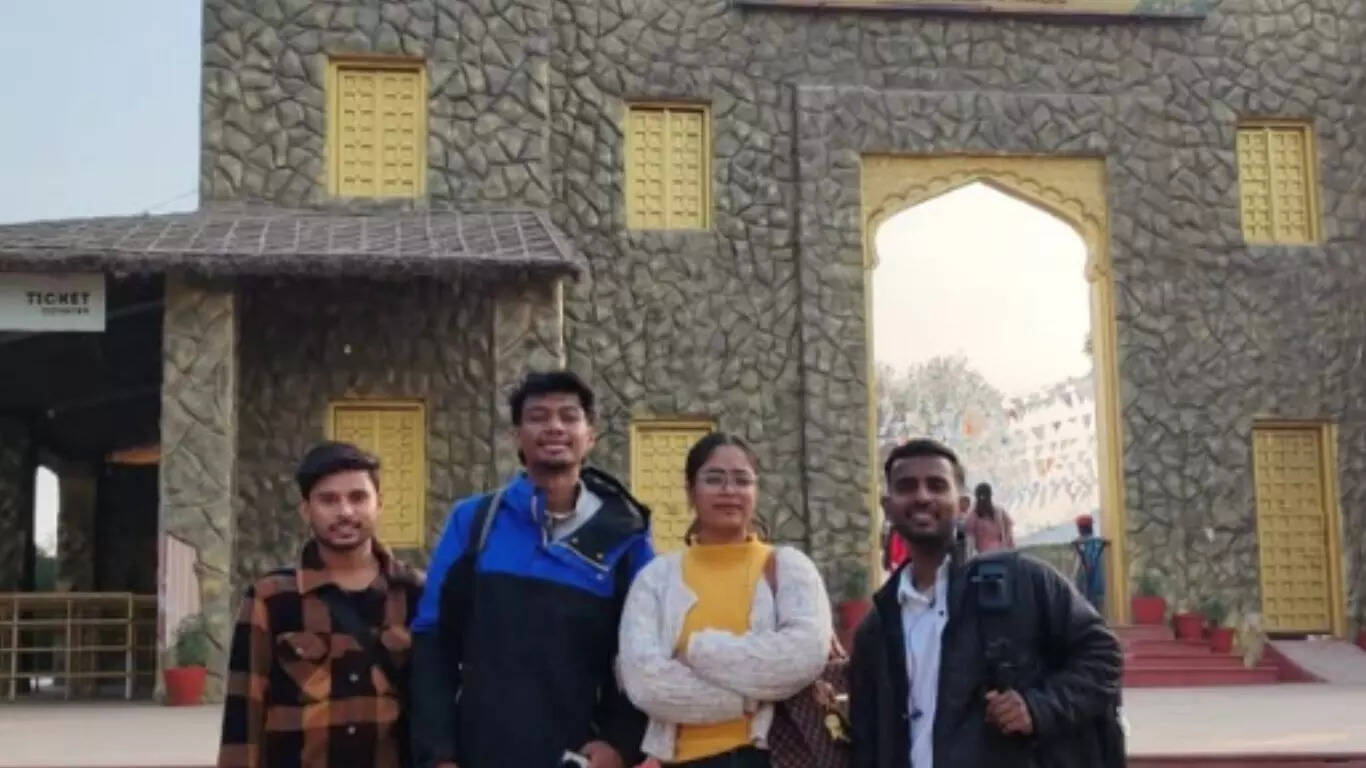
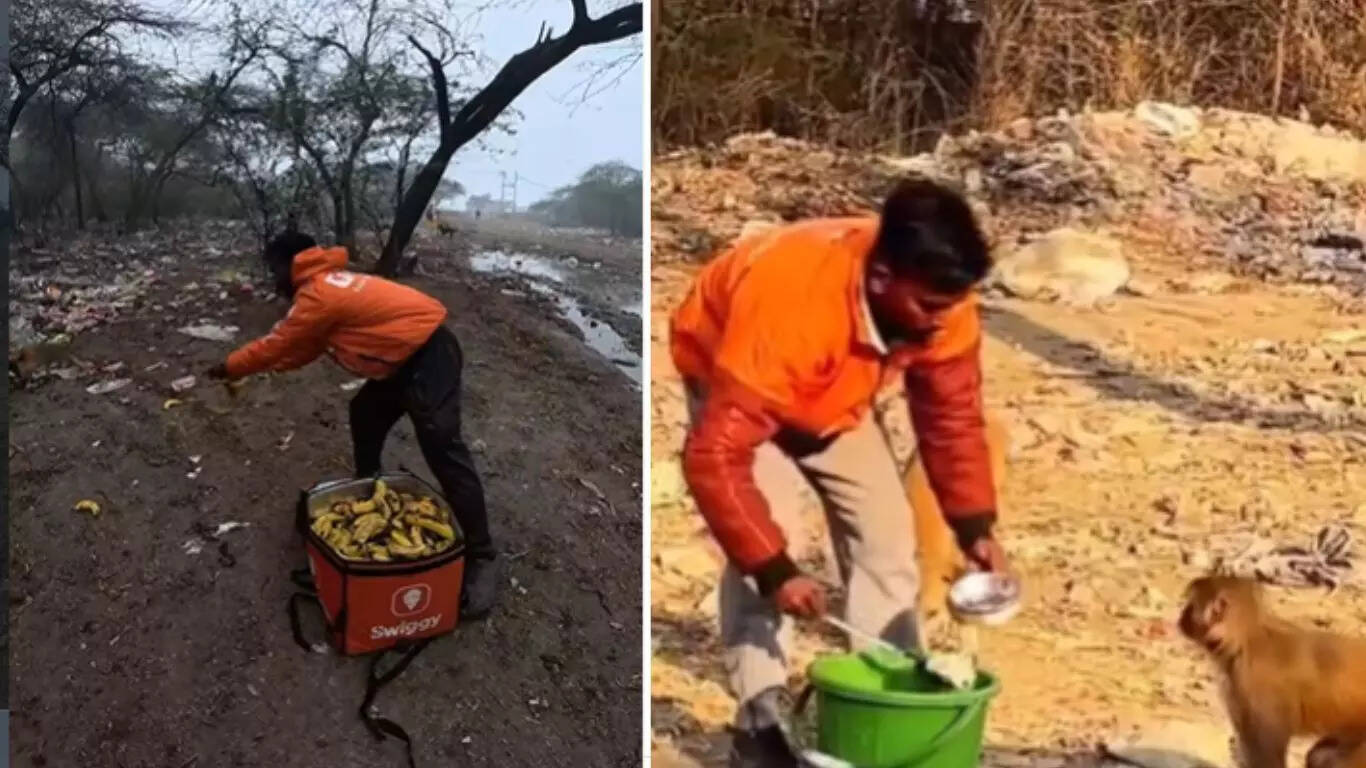
Akash Saroj is a 24-year-old delivery agent who has earned a great deal of respect online for his small acts of kindness. He does not have thousands to give and spends long hours on the road earning money for his family, yet he is generous in his actions. He sets aside a part of his earnings to buy food for animals and, while on his delivery routes, remains alert to people who may need help. From feeding a rickshaw puller and getting his broken vehicle repaired to distributing blankets to those sleeping on the footpath, Akash’s thoughtfulness makes one wonder how he manages all this despite limited income and family responsibilities.
"Life as a delivery agent is extremely tough. There is constant pressure, and hardly any time to eat or rest. Calls keep coming in continuously, and work takes priority over everything else because survival depends on it," says Akash.
So from where does he get the money to help people? "I try to manage as much as I can from whatever I earn. While I keep posting on social media, I do not earn anything from there. Most collaboration offers that come to me are related to gambling or betting apps, which I do not want to promote. I do not want to misguide people for money."
Akash says he learnt kindness from his father who worked as a labourer but whom he lost in 2024 after a brief illness.
"My father worked as a labourer and had gone to Vijayawada for work. One night, I spoke to him as usual. The next morning, I received a message from one of his friends saying that his condition had suddenly worsened and that I should come immediately."
"Vijayawada is far from Delhi, and travelling by train would have taken too long. I borrowed money and boarded a flight. When I reached, my father was admitted to a hospital, but there was hardly any treatment being given. I kept asking the doctors what had happened, especially since he had been perfectly fine earlier."
"The doctors told me nothing more could be done. I was completely helpless. I faced many difficulties in Vijayawada—people did not understand Hindi, I had very little money, and often nothing to eat. Whatever little I had was spent on taking care of my father. I requested the doctors to refer him to a hospital in Delhi, but they refused. My heart broke. I kept asking myself if there was no humanity left in the world. In a final attempt, I took a bold decision to bring my father to Delhi. I borrowed ₹2.5 lakh and booked a train ambulance with doctors, emergency care, and all necessary facilities. However, while we were nearing Nagpur, my father’s condition suddenly deteriorated. He passed away on the way."