
- News
- lifestyle
- parenting
- parentology
- foundations-first
- Simple home habits that build strong organisational skills in children
Trending
Simple home habits that build strong organisational skills in children
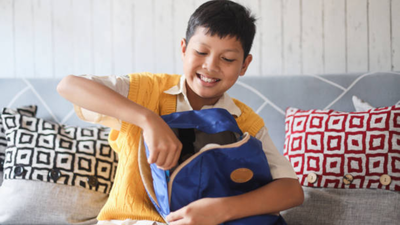
1. Packing their own bag
Forgetting once teaches more than reminding ten times.
2. “Put it back where you took it from”
3. Night before, not morning panic
4. Small responsibilities every day
5. Let them forget sometimes

About the AuthorTOI Lifestyle Desk
End of Article
Follow Us On Social Media
Health +
Tired of too many ads?go ad free now
lifestyle videos
Featured In Parenting

Tired of too many ads?go ad free now




Hot on the Web
Akshay KumarDhurandhar 2 Box Office CollectionMaya Angelou QuoteRajpal YadavDanish PandorAnurag Dobhal Baby NewsMukesh ChhabraSnake Hole vs Rodent HoleYami GautamAamir KhanDhurandhar 2 ReviewPanchhi 2 Movie ReviewUstaad Bhagat Singh CollectionShatrughan SinhaR MadhavanAmita Singh TomarMagnesium Deficiency SymptomsDhurandhar 2 CollectionJames TolkanSaba AzadKaattaan Season 1 ReviewLate Bloomer Season 1 ReviewPuneeth Rajkumar HomeMovierulzAadu 3 Box Office CollectionHoroscope TodayVaranasiBrahmanandam HouseRamayana Ranbir Kapoor LookPeddi TeaserToday Gold Rate in ChennaiDelhi Weather TodayDelhi AQI TodayMumbai AQI TodayMaharashtra Public Holidays 2026Basketball Zero CodesJamie DimonHades 2Sam AltmanRedmi 15AMelinda French Gates
Trending Topics
Latest MoviesBollywood MoviesHollywood MoviesTamil Movies 2026Telugu Movies 2026Malayalam Movies 2026Kannada MoviesMarathi MoviesBengali Movies 2026Top Rated Movies 2026Best Hindi MoviesBest English MoviesBest Telugu MoviesBest Tamil MoviesBest Malayalam MoviesBest Kannada MoviesBest Bengali MoviesUpcoming Hindi MoviesBest Movies Of All TimeBest Hindi Movies of All TimeLatest English MoviesLatest Malayalam MoviesEnglish TV NewsTamil TV NewsTelugu TV NewsMalayalam TV NewsKannada TV NewsMovie ReviewsBhojpuri Cinema NewsGujarati Cinema News
Popular Categories
Viral NewsK Pop NewsWeb Series NewsAnime NewsUpcoming English MoviesUpcoming Tamil MoviesUpcoming Telugu MoviesUpcoming Malayalam MoviesUpcoming Kannada MoviesFashion TipsTravel NewsEntertainment NewsBollywood NewsTollywood NewsKollywood NewsMollywood NewsFood NewsLatest Hindi MoviesLatest Tamil MoviesParenting TipsHome RemediesWeight LossBeauty TipsParenting TipsHindi VideosHindi Video SongsBhojpuri Music VideosLatest Telugu MoviesBhojpuri Music VideoHindi TV News
Latest News
Cole Bennett praises girlfriend Camila Morrone for ‘Something Very Bad Is Going to Happen’; says she ‘inspires me every day’Kiara Advani in 'Toxic': Geetu Mohandas says actress was 'first and only choice’ for role in Yash's filmStock trading apps on Google App Store to get 'verified' label‘Reacher’ actor Alan Ritchson's neighbour opens up about recent altercation, says he’s getting death threatsKristen Bell celebrates daughter’s 13th birthday, shares sweet candid family picturesOne month of Iran war: Tehran's defiance turns Trump's regime-change dream into nightmareSanjay Dutt snaps at paparazzi; ‘Dhurandhar: The Revenge’ star reacts in 'Baba style' during family outing - VIDEO'Choice between fear and trust’: Amit Shah releases ‘chargesheet’ against TMC-led Bengal govt’s 15-year 'misrule'US proposes sharp hike in H-1B, PERM wage thresholds; may adversely impact entry-level hiringCalls between police and Taylor Frankie Paul's ex-husband, Tate Paul, revealed: Talks about domestic violence arrest from 2023TNPDCL issues SOP to roll out Rs 2 per unit power subsidy for eateries amid LPG shortageRCB vs SRH, IPL 2026: 5 players to watch out for in today’s clashBaby born on a festival day: Decoding the astrological significanceJoseph Duggar and wife Kendra Duggar's child abuse cases: Here's how the family reacted to the chargesHow diabetes affects your nerves, the hidden role of vitamin B-12 and what you can do earlyBJP will lose power across country if it targets Bengal, says Mamata BanerjeeFuel pump ops hit by new rules for dealer payments, see long queuesAnurag Dobhal and wife Ritika Dobhal welcome their firstborn; say, ‘our most precious gift’