- News
- lifestyle
- parenting
- parenting-stories
- New Year 2026 resolution for your kids: Forget marks, master 5 life skills instead
Trending
New Year 2026 resolution for your kids: Forget marks, master 5 life skills instead
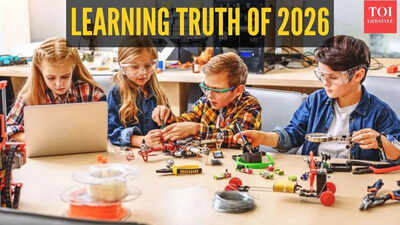
From Classrooms to Real Life: The Learning Shift Your Kids Must Make in New Year 2026
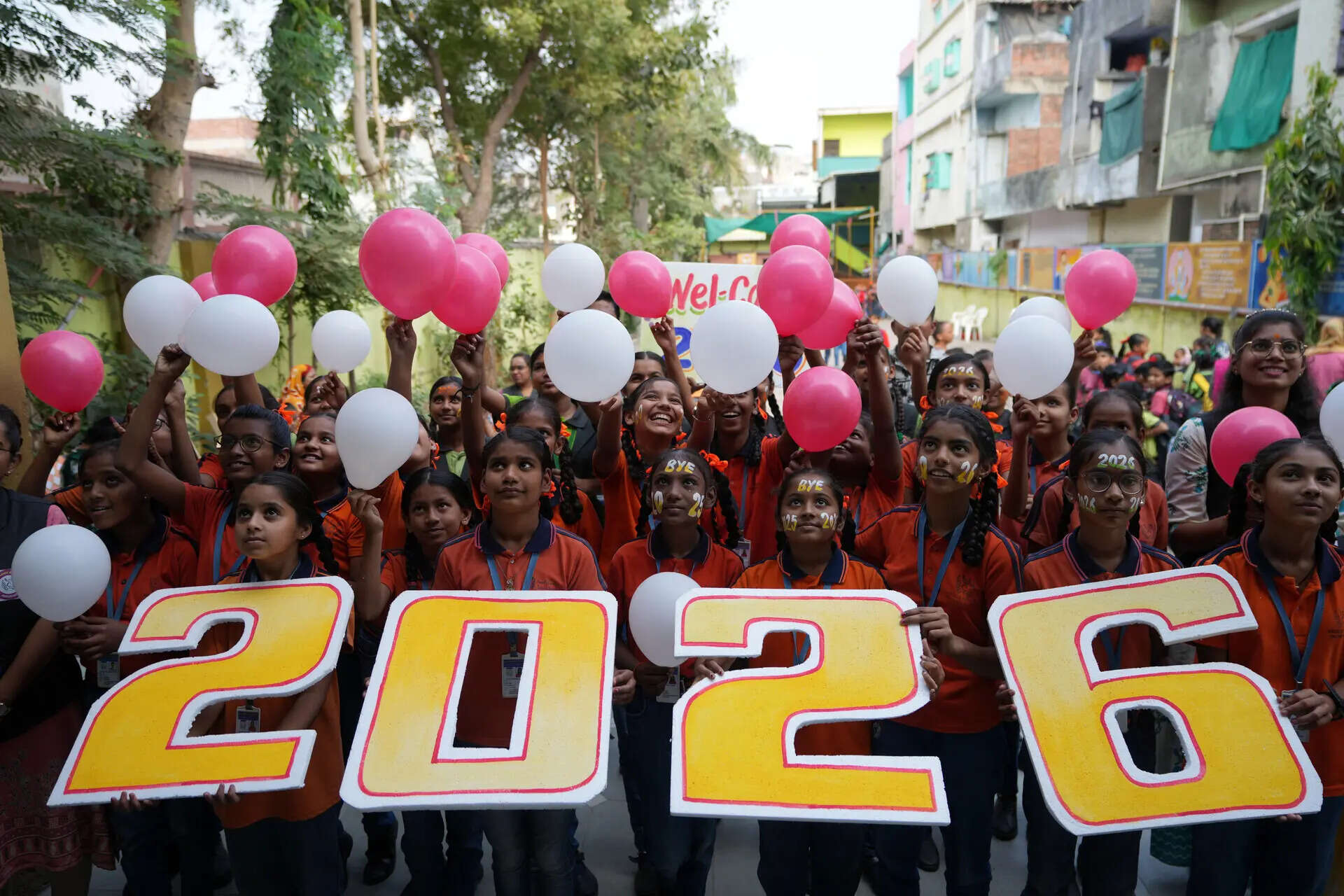
Straight A’s Are No Longer Enough in 2026: Why Experiential Learning Is the Real Success Formula (AP Photo/Ajit Solanki)
Collaboration builds dialogue, respect and leadership
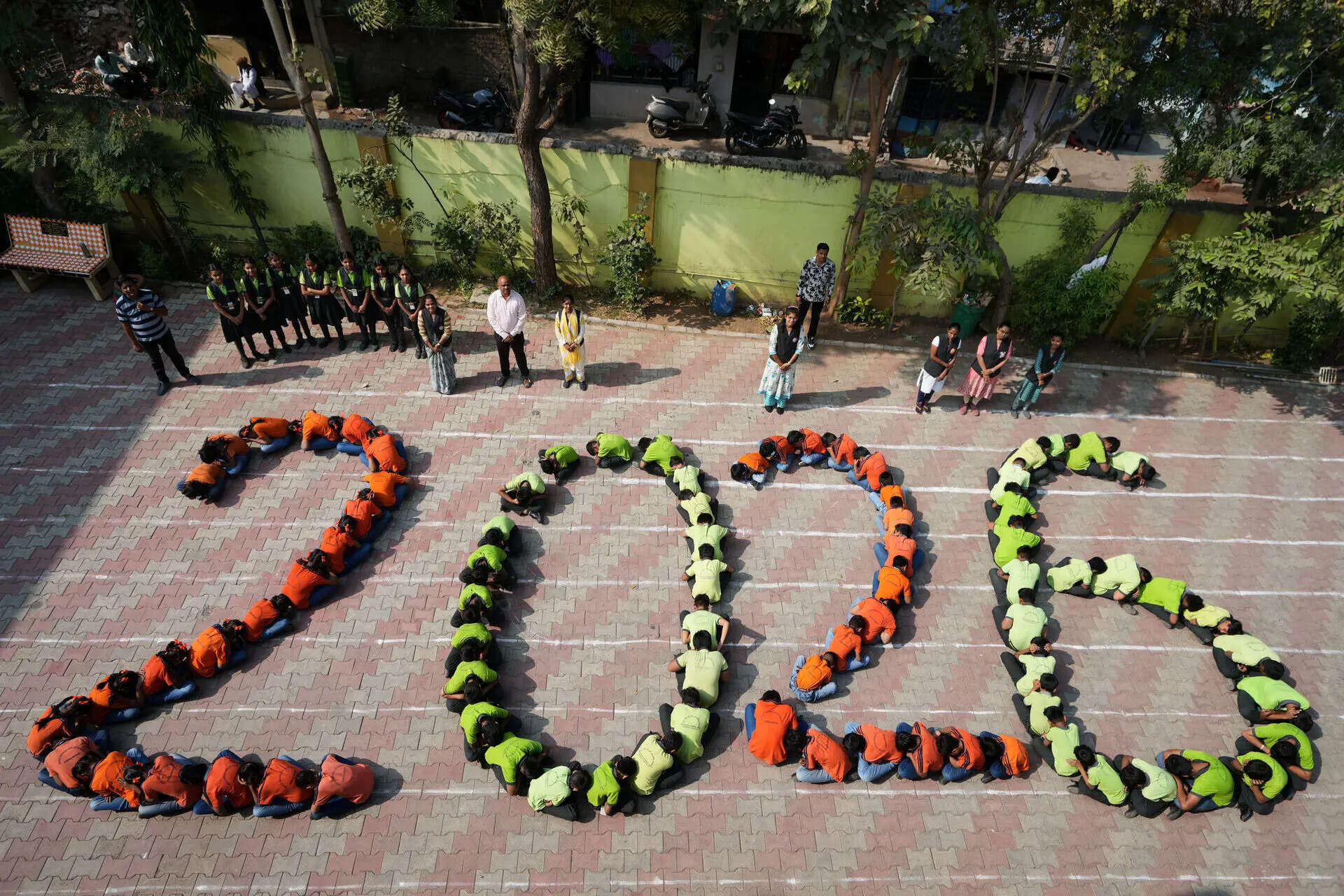
Education in 2026: Why Learning by Doing Beats Learning by Rote (AP Photo/Ajit Solanki)
Experiential learning: What it looks like in practice
- Learning by Doing: Students absorb lessons far more effectively when they actively participate in them. Hands-on projects, experiments, and simple demonstrations allow them to see ideas take shape in real time.
- Industry Exposure: Education grows more powerful when it steps outside the classroom. Internships, guest sessions, and exposure to real business problems allow students to see how their learning fits into the professional world.
- Collaboration and Communication: Working together brings new ideas to life. When students exchange thoughts, take on group challenges, and learn to listen as much as they speak, they naturally build confidence, empathy, and leadership skills that serve them long after college.
- Utilisation of Technology: By utilising digital technologies such as analytics, artificial intelligence (AI), and creative software, students can acquire a fresh outlook on the world. They are nimble and prepared to adjust when the world changes, sometimes more quickly than anticipated, by keeping their minds open to technology.
- Reflective Growth: Growth does not come from perfection, it comes from trying, failing a little and trying again. Every mistake carries a lesson if you pause to look. When learners reflect on what worked (and what didn’t), they build patience, resilience and a quiet sense of confidence.
Bottom line
End of Article
Follow Us On Social Media
Tired of too many ads?go ad free now
lifestyle videos
Featured In Parenting

Tired of too many ads?go ad free now

MORE FROM ETIMES
life & styleHot on the Web
Amitabh BachchanRanveer SinghWill SmithThe 50The 50 Contestants ListGrammy Awards 2026 Winners ListRam CharanMardaani 3 Box Office CollectionFlying UmbrellaJana NayaganDon RitchieInternational VisaDhurandhar OTT ReleaseRani MukerjiBorder 2 CollectionAnke Gowda StoryNelson DilipkumarBorder 2 Movie ReviewBrain CancerShyam PathakRobert BrowningNortheast DishesFebruary 2026 Horoscope PredictionsSeneca QuoteBhoot Police 2Purnima 2026Sunaina RoshanPadayappa 2Dhurandhar Movie ReviewChandra Grahan 2026William ShakespeareEric SchmidtPink DolphinsTim CookNew Fastag RuleMadagascar SpiderAnime Paradox CodesAndrej KarpathySam Altman QuoteMark ZuckerbergSamsung Galaxy s26
Trending Topics
Latest MoviesBollywood MoviesHollywood MoviesTamil Movies 2026Telugu Movies 2026Malayalam Movies 2026Kannada MoviesMarathi MoviesBengali Movies 2026Top Rated Movies 2026Best Hindi MoviesBest English MoviesBest Telugu MoviesBest Tamil MoviesBest Malayalam MoviesBest Kannada MoviesBest Bengali MoviesUpcoming Hindi MoviesBest Movies Of All TimeBest Hindi Movies of All TimeLatest English MoviesLatest Malayalam MoviesEnglish TV NewsTamil TV NewsTelugu TV NewsMalayalam TV NewsKannada TV NewsMovie ReviewsBhojpuri Cinema NewsGujarati Cinema News
Popular Categories
Viral NewsK Pop NewsWeb Series NewsAnime NewsUpcoming English MoviesUpcoming Tamil MoviesUpcoming Telugu MoviesUpcoming Malayalam MoviesUpcoming Kannada MoviesFashion TipsTravel NewsEntertainment NewsBollywood NewsTollywood NewsKollywood NewsMollywood NewsFood NewsLatest Hindi MoviesLatest Tamil MoviesParenting TipsHome RemediesWeight LossBeauty TipsParenting TipsHindi VideosHindi Video SongsBhojpuri Music VideosLatest Telugu MoviesBhojpuri Music VideoHindi TV News
Latest News
Adarsh Gourav lends his voice to rap song for Tu Yaa Main'Nonsense ... disgraceful': Shashi Tharoor explodes as Pakistan boycotts India T20 World Cup clashPune Porsche case: Supreme Court grants regular bail to all 3 accusedMan blows kisses at woman seated in car in Noida; cops arrest 2 after victim shares video onlineUnion Budget 2026: India to host the first Global Big Cat Summit - what it means for wildlife loversKangaroo ink and a Grand Slam dream: Carlos Alcaraz plans lasting Australian Open tributeNeha Dhupia watches Djokovic–Alcaraz Australian Open final live'I have been further linked' to Epstein: Ex-UK minister Peter Mandelson resigns from Labour PartyWhat is Roblox? Here's what experts say and safety guide for parentsDalai Lama wins his first Grammy at 90: 8 surprising facts about him you probably didn’t knowMark Zuckerberg's charity organisation is cutting jobs and the reason is linked to Bill Gates' Gates Foundation that is shutting down in …Amaal Malik reveals why Sonu Nigam singing ‘Mere Dolna 3.0’ was not easy; says ‘they were almost ready to remove me’Two good: Meet Jude, 2, and his 2 world recordsSaudi Arabia's Ministry of Hajj and Umrah suspends 1,800 foreign travel agencies for poor serviceLady Gaga turned the Grammys 2026 red carpet into a gothic fairytaleBudget 2026: Does India risk getting old before it gets rich?Grammys 2026: Lady Gaga wins best pop vocal album, dedicates it to fiancé Michael Polansky, says ‘I can't thank you enough’Olivia Dean claims best new artist Grammy with emotional tribute to her family: 'I’m a product of bravery'