
- News
- lifestyle
- parenting
- parenting-stories
- Ever wondered why sons often seem closer to their mothers and daughters to their fathers? The psychology behind it
Ever wondered why sons often seem closer to their mothers and daughters to their fathers? The psychology behind it
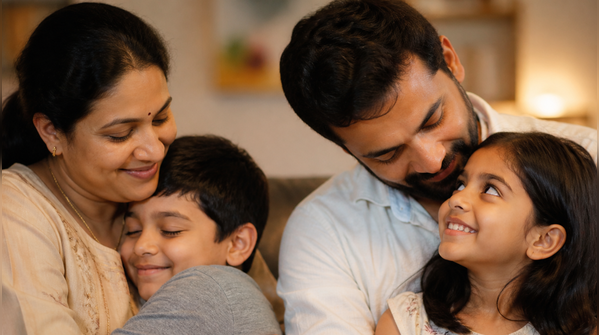
Ever wondered why sons often seem closer to their mothers and daughters to their fathers? The psychology behind it
In many homes, this pattern unfolds so quietly it feels almost instinctive. A son turns to his mother for comfort, a daughter leans toward her father for reassurance. But beneath that familiarity lies something deeper than habit. These bonds are shaped by early attachment, emotional availability, and the subtle roles parents come to play in a child’s inner world. Children do not consciously choose one parent over the other; they respond to where they feel most understood, most seen, and most safe. Over time, these repeated emotional exchanges create a sense of closeness that can look like preference, but is often simply trust taking its natural shape. Scroll down to read more...

The first emotional bond
For many children, the mother is the first emotional world they know. In early childhood, mothers are often the main source of comfort, feeding, soothing, and daily care. That close, repeated contact builds attachment. A boy may grow up associating his mother with warmth and emotional security, while a girl may do the same but as children develop, family dynamics, personality, and cultural expectations can shift those bonds in different directions.
The emotional atmosphere of the home also plays a major role. Children tend to move toward the parent who makes them feel emotionally safe, listened to, and accepted without too much criticism or pressure. Sometimes this closeness changes with age, especially during adolescence, when identity, independence, and emotional needs begin evolving more rapidly inside the family.
In many households, sons are encouraged to lean on mothers for tenderness and care. Daughters, meanwhile, may find fathers more mysterious, more affirming, or more protective. The result is not destiny. It is learning. Children begin to gravitate toward the parent who feels most emotionally available, least judgmental, or most responsive to their needs.
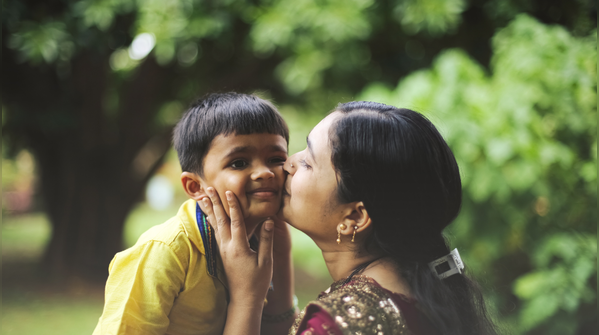
Sons and the search for comfort
A study on parent–child dynamics found that in mother–son relationships, attachment quality had a stronger impact on behavioural outcomes than in other parent–child pairings. Secure attachment was more strongly linked to fewer externalising problems like aggression, while avoidant attachment showed a stronger link to behavioural difficulties in boys compared to girls.
This indicates that sons may rely more heavily on maternal emotional security in early childhood. What appears as a stronger mother–son bond is often not preference, but a deeper behavioural and emotional dependence shaped by how attachment influences boys more intensely.
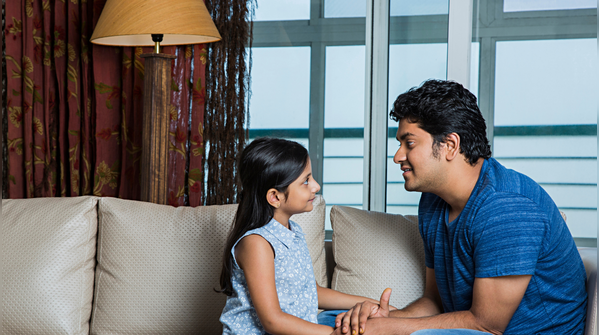
Fathers’ brains respond differently to daughters than sons
A 2017 study in Behavioral Neuroscience found that fathers tend to respond more attentively to daughters’ emotional needs, speaking more about feelings and engaging with greater sensitivity. With sons, fathers were more likely to emphasise play, achievement, and independence. These differences are not always intentional, but they matter. Over time, children gravitate toward the parent who meets their emotional needs most consistently. What looks like preference is often the quiet result of how love is expressed, received, and repeated in everyday life.

Identification matters too
Children do not only attach to the parent who comforts them. They also identify with the parent who seems most like the future self they are trying to become. Sons may copy fathers in behaviour, ambition, or mannerisms. Daughters may mirror mothers in speech, style, or emotional expression. But in emotionally charged moments, children often drift toward the parent who offers the feeling they need most.
This emotional pull is shaped by repeated interactions over time. The parent who listens without immediate judgment, who responds with steadiness instead of intensity, often becomes the one a child turns to in vulnerability. It is not about preference as much as it is about emotional safety, built quietly through consistency and understanding.
Psychologists often note that children are highly sensitive to emotional predictability. They remember which parent made them feel calm after a mistake, who stayed emotionally available during conflict, and who created a sense of acceptance without making affection feel conditional. Over time, these repeated emotional experiences become deeply rooted patterns of trust and attachment.
That is why these patterns can look paradoxical. A child may resemble one parent yet emotionally depend on the other. Love does not always follow resemblance. Sometimes it follows relief.

Culture quietly shapes the bond
In Indian homes, especially, these dynamics are often amplified by culture. Sons may be treated as mothers’ companions, daughters as fathers’ soft spots. Families may joke about “daddy’s girl” or “mama’s boy,” but these labels are not just cute. They reflect the emotional lanes children are often assigned before they even understand themselves. Over time, these subtle patterns can shape how children seek comfort, approval and identity within the family. What begins as affection can quietly turn into expectation, where a child feels responsible for meeting a parent’s emotional needs instead of simply being allowed to grow into their own person.
The danger comes when preference turns into dependence, or when one parent becomes idealised while the other is emotionally sidelined. Healthy families allow children to bond with both parents in different ways, without forcing loyalty or competition.
The real answer
So why do sons choose moms and daughters choose dads? The honest answer is that many do not “choose” at all. They move toward the parent who feels safest, most affirming, or most emotionally available at that stage of life. Often, this connection forms quietly through everyday moments—who listens without rushing, who notices small changes in mood, who responds with warmth instead of correction. These bonds are built in ordinary time, not grand gestures.
Psychologists have long noted that attachment is shaped less by titles and more by emotional consistency. A child naturally gravitates toward the person who makes them feel seen and emotionally secure. Sometimes that bond shifts over time too, especially as children grow, face challenges, or begin seeking different kinds of guidance and reassurance.
These bonds are less about gender and more about emotional architecture. Children do not simply pick a side. They pick comfort, attention, validation, and love. And in the end, that may be the whole story.
Featured In lifestyle

MORE FROM ETIMES
life & style