
- News
- lifestyle
- parenting
- parenting-stories
- Before age 10, these 12 simple things parents say can shape a child’s confidence and emotional strength for life
Before age 10, these 12 simple things parents say can shape a child’s confidence and emotional strength for life
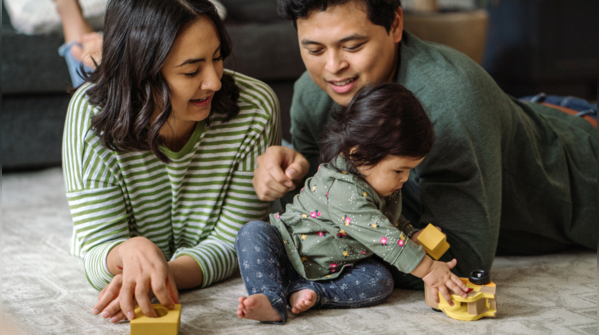
These 12 sentences can shape how your child sees themselves for life
Childhood moves quietly, then suddenly it doesn’t. One day, they are asking for bedtime stories. Soon after, they begin forming opinions about themselves, about others, and about the world. The words they hear at home settle deep inside them. They become the voice children carry into school, friendships, and later life.

Here are 12 things worth saying often, and meaning every time.
Before the age of 10, children are not just learning facts. They are learning how to feel, how to respond, and how to see themselves. What parents say during these years matters more than it seems. Not because of perfection, but because of consistency and honesty.
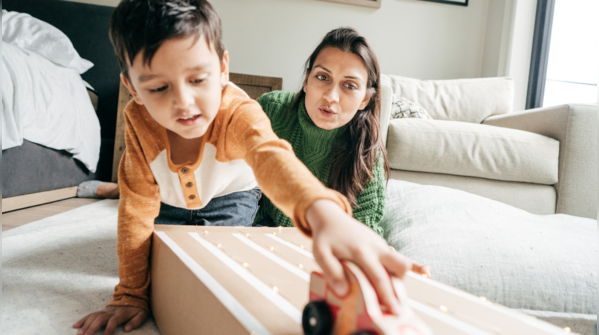
“You can tell me anything.”
Children don’t open up because they are told to. They open up when they feel safe enough. This sentence builds that safety over time. It tells them that no topic is too small or too big. It also sets the ground for honesty. When children believe they won’t be judged or punished immediately, they speak more freely. That trust can protect them in difficult situations later.

“Your feelings make sense.”
Children feel everything in full volume. A broken toy can feel like heartbreak. Dismissing those feelings teaches them to hide, not to cope. Acknowledging emotions does not mean agreeing with behaviour. It simply tells them that what they feel is real, and worth understanding. Over time, they learn to name and manage those emotions better.

“I am proud of how hard you try.”
Praise often focuses on results. But effort is what builds resilience. When children hear this, they begin to value persistence over perfection. It shifts their mindset. Instead of fearing failure, they learn to respect the process. That quiet shift can change how they approach challenges for years.

“Mistakes help you learn.”
Many children begin to fear getting things wrong very early. This fear can limit curiosity. Saying this, and showing it through reactions, teaches them that mistakes are not endings. They are steps. It helps them recover faster and try again without shame.

“Thank you for helping.”
Gratitude is not just good manners. It builds a sense of responsibility and belonging. When children are thanked, they feel seen. They understand that their actions matter to others. It encourages them to contribute without being asked every time.

“It’s okay to take your time.”
Children grow in different rhythms. Some speak early, some read late, some take longer to understand things. This sentence removes pressure. It gives them space to learn without comparison. It also teaches patience, something even adults struggle with.

“No matter what happens, I am here for you.”
This is the foundation of emotional security. Children need to know that support is not conditional. It reassures them during fear, failure, or confusion. When they believe this deeply, they are less likely to feel alone when things go wrong.

“I love you even when you are upset.”
Children can confuse emotions with rejection. When they act out, they may assume love is withdrawn. This sentence separates behaviour from worth. It tells them that love stays, even during difficult moments. That stability shapes how they handle conflict later.
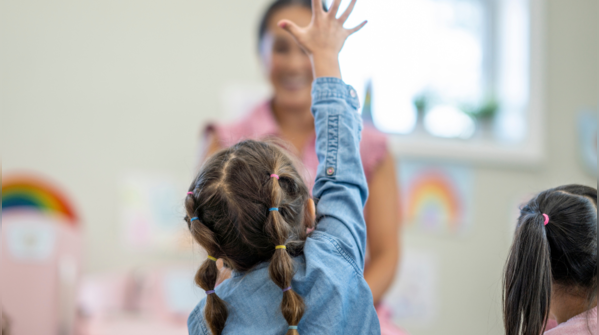
“You are allowed to say no.”
Teaching boundaries early is crucial. Children should know they have a voice. This does not mean they refuse everything. It means they understand consent, comfort, and personal space. It prepares them to stand up for themselves in healthy ways.

“You are capable of solving this.”
It is tempting to step in and fix things quickly. But children grow when they try first. This sentence encourages problem-solving. It builds confidence slowly. Over time, they begin to trust their own thinking instead of depending on others for every answer.

“Let’s figure it out together.”
Support does not always mean giving solutions. Sometimes, it means walking beside them. This creates a balance. Children feel guided, not controlled. They learn that asking for help is okay, and that challenges can be shared.

“Everyone learns differently. Your way is okay.”
Comparison begins early, often at school or in social settings. It can quietly damage self-esteem. This reminder helps children accept their pace and style. It builds self-respect. And when children respect their own way of learning, they stay engaged longer.

Why these words matter
Children may not remember every sentence. But they remember how those words made them feel. Over time, these small, repeated messages become their inner voice.
A child who hears understanding learns empathy.
A child who hears patience learns calm.
A child who hears belief learns confidence.
These are not grand lessons. They are simple, everyday conversations that quietly shape character.
Featured In lifestyle

