
- News
- lifestyle
- parenting
- parenting-stories
- 7 habits of parents that raise kinder kids
7 habits of parents that raise kinder kids
7 habits of parents that raise kinder kids
In a world that sometimes seems busy and tough, kindness has become one of the most important life tools a child can develop. A child develops kindness from their parents, but it starts from how parents speak, act, listen, and relate to others. How parents do things daily can affect how their child reacts to a world that sometimes does not seem like a friendly one at all. Here are seven important parenting practices that can develop a child develop into understanding, well-mannered, and kind.

Teach empathy through storytelling
Teachable moments are learned more by observing what their parents are doing rather than what they are saying. When parents are considerate of shopkeepers, talk with respect in the presence of elderly people, display patience while dealing with traffic, or help someone in need, observing these instances is enough for the kids. Apologising for the mistake when they are in the wrong and displaying gratitude makes kids understand that it is not an act of weakness but an act of strength.
They listen without judging
Listening parents raise emotionally safe children. When children feel free to share fears, anger, and confusion without being interrupted and judged, they learn the value of empathy as well. When children feel heard, they also learn the value of people’s emotions. Rather than teaching children the correctness of emotions, caring parents teach children the value of emotions. Such behaviour increases the value of compassion, patience, and emotional intelligence in children, making them gentle with others instead of being hard.

Teaching people to empathize instead of simply setting out rules
Instead of emphasising just ‘right’ and ‘wrong,’ empathetic parents connect consequences for others. Asking questions like, ‘How do you think this acted towards your friend?' instils perspective-taking. This habit teaches children to think beyond their feelings. When discipline is developed through empathetic feelings, there will be no need to fear consequences because children will learn to pause before acting and choose kindness on their own when no adult is around.

They practice calm discipline
When parents react to children's errors in a calm manner, it inculcates control in children and teaches them to be kind too. When parents scold children for their faults, it may teach them to be obedient in the short term, but it makes them kind in the long term if the parents are calm while correcting them. When parents point children in the right direction without pointing out the flaws in their character, kids feel responsible without feeling resentful.

They always promote gratitude
Gratitude also has a lot to do with kindness. It helps parents raise grateful and not entitled children by pointing out what they have: love, food, support, and friendship. Routines such as saying thank you for things received, trying to see efforts in others, and recalling positive experiences can contribute to greater awareness of emotions in children. Grateful children have a tendency to share and be respectful of others.

They enable children to help other people
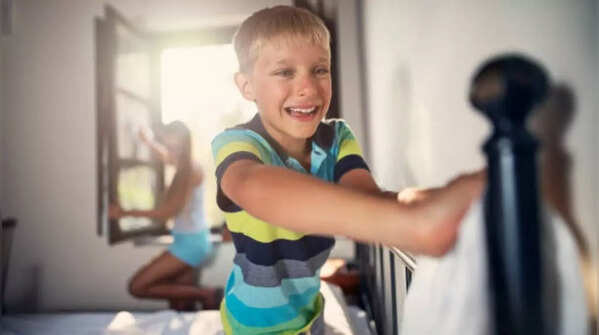
Kind parents also do not protect their children from giving them the chance to contribute to helping others. This can include helping other siblings, helping out around the house, and even showing concern for the well-being of someone in the neighbourhood. When children taste the sweetness of helping others, helping others becomes pleasing to them. This practice is also reinforced when parents encourage them for trying rather than for doing everything flawlessly.

They speak kindly to others
The way parents discuss others behind their backs has a significant impact on kids. Keeping a distance from backbiting, damaging words, and criticism helps kids learn values such as respect for others and equality. A respectful conversation is what kids are exposed to while their parents are having a dispute. It helps kids understand that a person with opposing views isn’t a target for disrespect.
Featured In lifestyle

