
- News
- lifestyle
- parenting
- parenting-stories
- 10 powerful parenting quotes by Sadhguru to raise happy and confident children
10 powerful parenting quotes by Sadhguru to raise happy and confident children
10 powerful parenting quotes by Sadhguru to raise happy and confident children
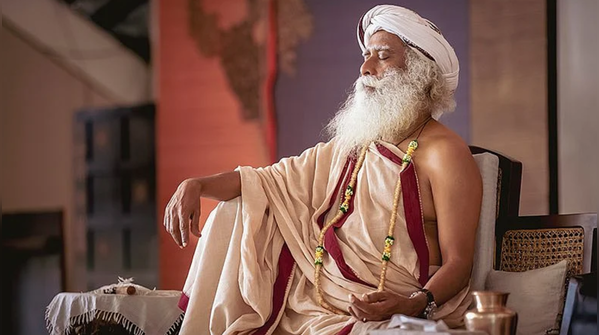
Parenting advice can often sound heavy, prescriptive, and full of rules. Sadhguru’s words cut through that noise with a simpler idea: children do not need to be shaped into somebody else’s idea of success; they need space, support, and a calm home where their own intelligence can grow. On official Isha Foundation pages, his parenting guidance returns again and again to joy, trust, and self-correction in the parent rather than control over the child. Here are 10 quotes that capture that message clearly.
“Children have come through you, they do not come from you.”
This is one of Sadhguru’s most striking reminders that children are not possessions. The line pushes parents to move from ownership to stewardship, and to see parenting as a responsibility to nurture, not to control.
“Parents should get off their pedestal and start treating children as equals. This has to happen right from early childhood.”
The message here is simple but powerful: respect is not something children should earn later in life, it should begin at home. Sadhguru suggests that confidence grows faster when a child is spoken to as a human being, not managed as a subordinate.
“There are no bad children – only bad influences.”
This quote shifts the focus away from blaming a child’s nature and toward examining the environment around them. It is a reminder that children absorb what surrounds them, which is why parents must pay attention to tone, habits, and company.
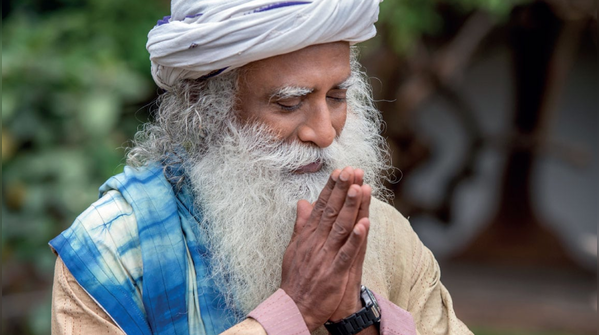
“We must stop influencing our children and start supporting them by creating a loving, joyful, and intelligent atmosphere.”
Here, Sadhguru draws a sharp line between pressure and support. Instead of trying to program a child’s life, he argues for a home atmosphere that allows confidence, curiosity, and emotional ease to emerge naturally.
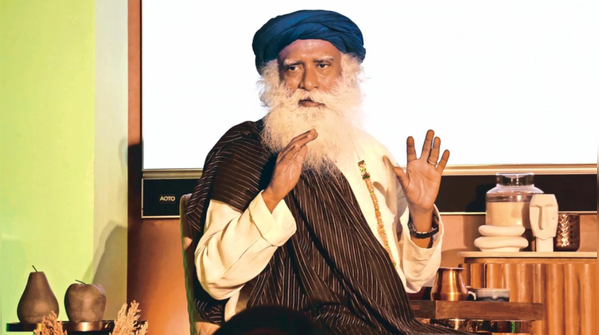
“Every child is a Unique Possibility.”
This is the kind of line that instantly changes how a parent looks at a child. It suggests that no child should be measured only by comparison, because each one carries a different future, temperament, and strength.
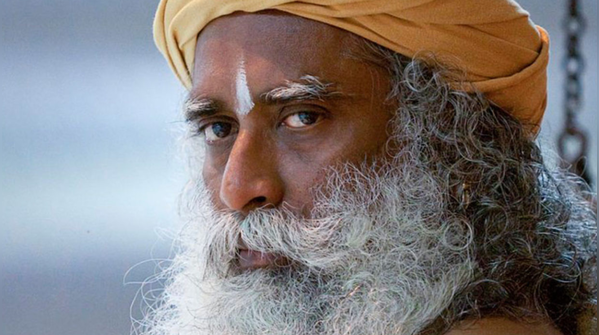
“Children need not fit into caste, creed, or class. They have to blossom into their own nature.”
The quote speaks to the danger of forcing identity before individuality. Sadhguru’s point is that children become happier and stronger when they are allowed to grow into themselves, rather than into labels imposed from outside.
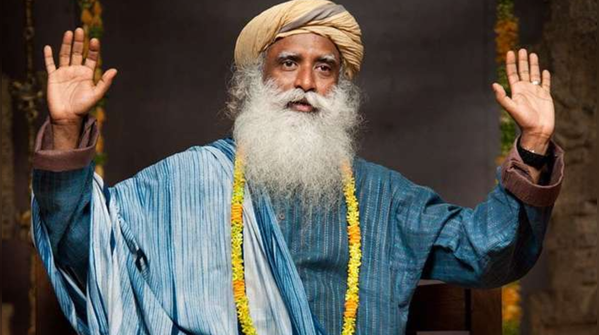
“It is a privilege that this child – this bundle of joy – has come through you and arrived in your house.”
This line reframes parenting as gratitude rather than entitlement. It asks parents to see the child as a life entrusted to them, not a future project to be controlled or converted into an ambition.
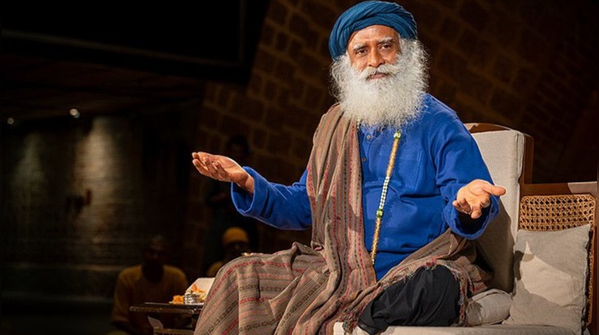
“Children are not your property; they do not belong to you.”
Sadhguru’s warning is direct and uncompromising. Children are independent beings, not extensions of parental ambition or identity, and treating them otherwise can quietly erode their sense of self. When parents allow space for individuality, choices and even mistakes, they create an environment where a child feels seen rather than controlled. The more a parent respects that truth, the more trust and emotional security the child is likely to develop.
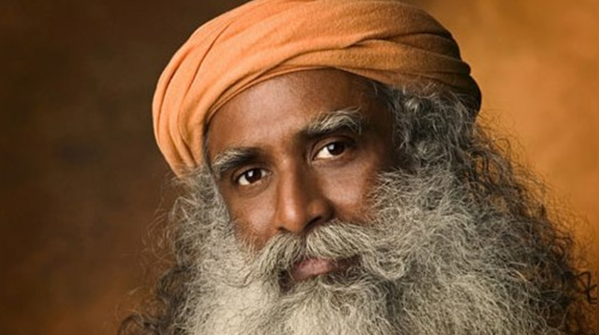
“The best thing you can do is to create a joyous and loving atmosphere.”
This quote puts the real work of parenting in the emotional climate of the home. Sadhguru suggests that children do not merely hear what parents say; they live inside the mood parents create.
Featured In lifestyle

