
- News
- lifestyle
- home-garden
- Step-by-step guide for growing blueberries at home or balcony garden
Step-by-step guide for growing blueberries at home or balcony garden

Step-by-step guide for growing blueberries at home or balcony garden
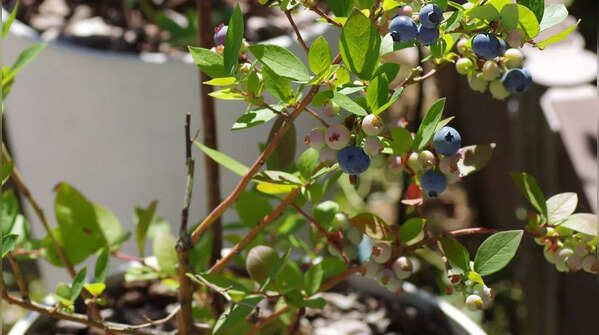
Growing blueberry, whether on the balcony or indoors, is an important way to benefit from healthy, antioxidant-positive fruits and add greenery to your living or working space. This is because blueberries grow very well in containers and, as long as their basic requirements are known, can easily flourish within urban garden setups. By following some basic, simple steps, it is quite possible to grow healthy blueberries right outside your doorstep.

Choose the right variety
Begin with a blueberry variety that thrives in container gardening or small space gardening. There are dwarf, patio, or compact blueberries such as ‘Sunshine Blue’, ‘Top Hat’, or other varieties that require self-pollination and are considerably well-suited for balconies or rooftops. They do not grow too large, perform well in pots, and fruit reasonably well. They are ideal for new gardeners.

Pick a large pot with good drainage
Choose a container that is at least 12 to 18 inches in width and depth, to allow roots to spread out. Ensure there are a number of drainage holes at the bottom so water goes out without any hindrance. Good drainage prevents waterlogging to which these shrubs are pretty sensitive and may cause root rotting. Wider pots also help to maintain moisture over time quite evenly.

Prepare the correct soil mix
Blueberries prefer to grow in slightly acidic soils with a pH range between 4.5-5.5. A combination of peat moss, pine bark, and perlite/cocopeat can be used to create such conditions. Garden soils tend to be too heavy or too alkaline for blueberries to successfully grow in.

Place in a sunny spot
Blueberries must be exposed to 6 to 8 hours of direct sunlight per day. The ideal spot for this is the corner of the balcony that is either facing the sun or the west. You may need afternoon shade in warmer climates.

Water regularly but avoid overwatering
Keep the soil moist, but not waterlogged. Blueberries like consistent moisture, so water when the top 1–2 inches feel dry. Use collected rainwater when possible, as it tends to be naturally slightly acidic and will help keep the pH at its ideal levels. Mulch the top of the soil with pine bark to help retain moisture and regulate temperature.
Use acid-loving fertiliser
Use fertilisers appropriate for acidic-loving plants, such as those used for azaleas and rhododendrons, on your blueberries. Use them lightly in early spring and again later, but not too heavily, as this will damage roots. Other options include composted manure and seaweed extracts.

Prune for healthy growth
Pruning is essential after the first year. Remove dead, weak, or crowded stems to help the plant focus energy on new growth and fruit production. Light pruning also improves airflow and reduces the risk of disease, helping maintain a strong, productive plant over time.

Monitor for common problems
Blueberry plants may show issues like yellow leaves (often from incorrect soil pH) or weak growth. Adjust soil acidity if needed by adding sulfur or peat moss. If leaves dry out, increase watering slightly. Protect ripening berries from birds using netting if required, and always check regularly for pests or stress signs.
By providing the appropriate variety, pot, soil, sunlight, water, and attention, blueberries can thrive in even the smallest gardening area. Balcony gardening provides an ideal way to grow fruit at home, which not only helps beautify the space but also provides a healthy supplement. With the following steps, you should have a fruitful experience growing homegrown blueberries.
Featured In lifestyle

