
Why whale vomit is worth millions for humans
Understanding the priceless produces of marine life
Nature is a magician that surprises the world with its rarest products and phenomena. While we keep working hard to earn a living, there are things that nature blesses us with its rare acts, some of which cost a bomb that most of us can't even afford. One such natural product is ambergris, also called whale vomit or floating gold. Now you must be wondering how someone's vomit can cost you a bomb? Scroll down to find the answer.
What is a Whale Vomit
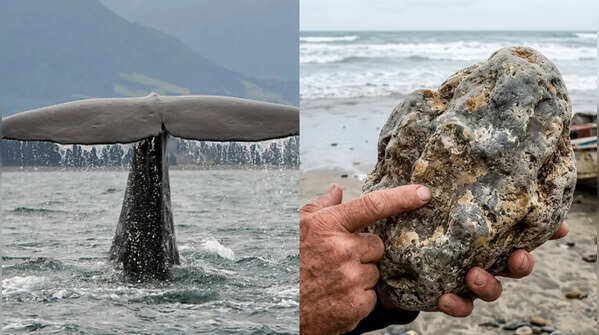
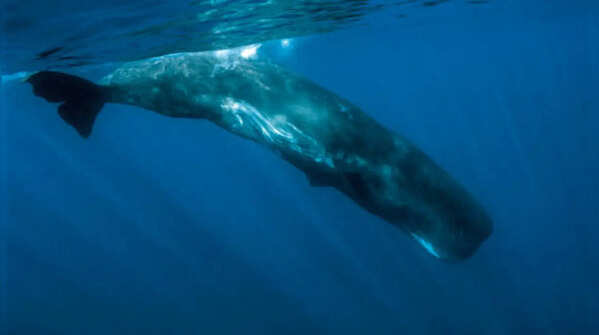
Whale vomit refers to a waxy substance produced by a rare breed of whales called the sperm whale and it has been prized for centuries.
Where does it come from?
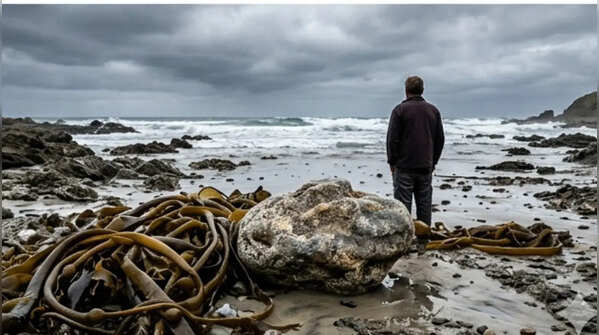
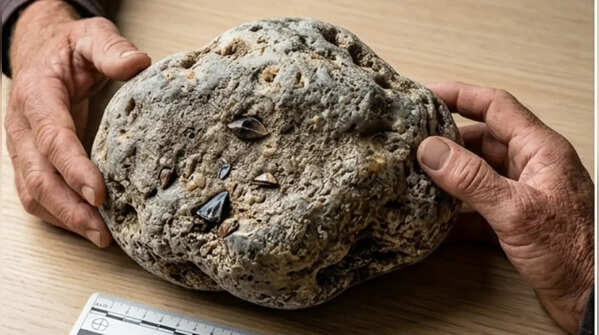
According to scientists, it forms in the intestines of sperm whales. It is created inside their body when they consume indigestible materials, such as squid beaks, and over a period of time it turns into ambergris to help expel these foreign objects. Once they expel it from their body, the ambergris floats in the ocean, and is considered a valuable treasure.
Why is it worth a million and its use
It is believed that its rarity and desirability make ambergris one of the most expensive substances in the world. According to reports, depending on its quality, ambergris can fetch a price of up to a whopping $40,000 per kilogram. It is traditionally used to make fragrances last longer. It is reported that high-end perfume brands like Chanel value ambergris because it helps scents last longer on the skin—it acts as a natural fixative. That makes it incredibly valuable per gram.
How does it look and smell like
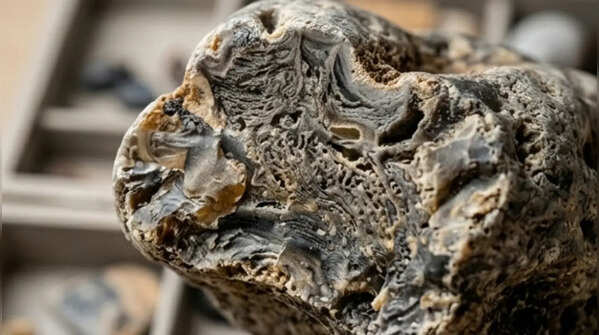
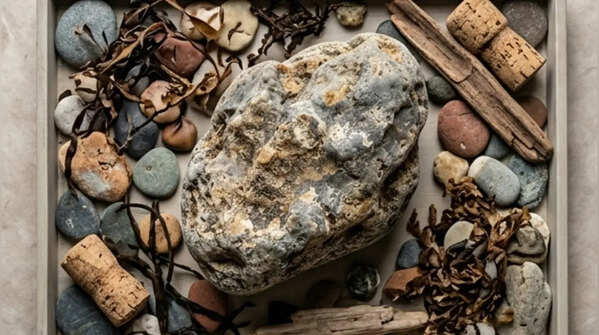
Experts describe it as a wax-like substance with a soft, waxy, and greasy consistency when freshly expelled from a sperm whale’s intestine. Over time, as it floats in the ocean and is exposed to sunlight, saltwater, and air, it hardens and develops into a rock-like structure. According to experts, the transformation is a result of prolonged weathering and oxidation. While the outer layer becomes rough and hard, the inside may retain a softer, waxier substance. According to the official page of Ambergris, it comes in many colours, shapes and textures. This makes identification difficult and ensures frustration for beachcombers hunting for this elusive substance. Ambergris is most often white, grey, black or brown in colour or even a mixture of these shades. The colours are typically dull and earthy and the texture is often hard, like rock or dry clay. Ambergris is often described as being musky and having a sweet earthy aroma unlike any other or a mossy fragrance reminiscent of the damp forest floor. Add a dash of ocean spray, a hint of cigar, a good amount of sweetness and a little odour of the stable floor to complete the recipe for this exotic fragrance blend. In the first instance; the fragrance will vary greatly depending on the quality of a particular piece. The white and grey varieties, in particular, possess the subtle, sweet addictive aroma which is so highly prized and brings such rich rewards for the dedicated beachcomber.
Why is it illegal
In India, the sale and trade of ambergris are strictly prohibited under the Wildlife Protection Act, 1972, as the sperm whale is an endangered species protected by law. According to reports, the sperm whale was declared endangered in 1970 due to hunting and environmental threats. While it is still legal in countries like the United Kingdom, New Zealand, France, Switzerland and Maldives, experts feel that the trade of ambergris indirectly promotes the exploitation of these marine mammals and should be banned across the world.
Images Courtesy: istock and Google Gemini
Featured In Food

MORE FROM ETIMES
life & style