
- News
- lifestyle
- home-garden
- How to identify a Saw-Scaled Viper snake: Features, habitat and more
How to identify a Saw-Scaled Viper snake: Features, habitat and more
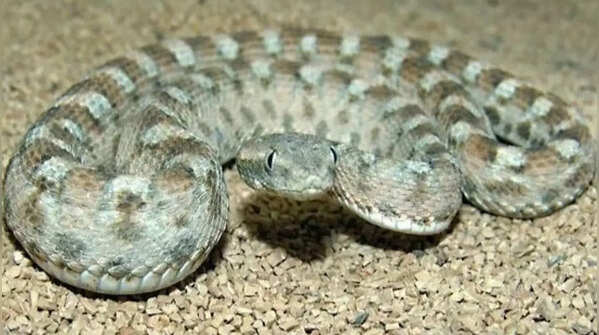
How to identify a Saw-Scaled Viper snake: Features, habitat and more
The saw-scaled viper is one of the most deadly species of venomous snakes, existing within parts of Africa, the Middle East, and Asia. Although relatively small in size, the saw-scaled viper is highly aggressive and well-known for its specific behavior. Due to its camouflaging abilities and capability to merge with dry surroundings, a person might approach the snake without noticing. Being familiar with the appearance, habitat, and typical behaviour of a saw-scaled viper will be very helpful in case of an encounter in areas where it exists. The following information includes seven critical characteristics of this dangerous snake.
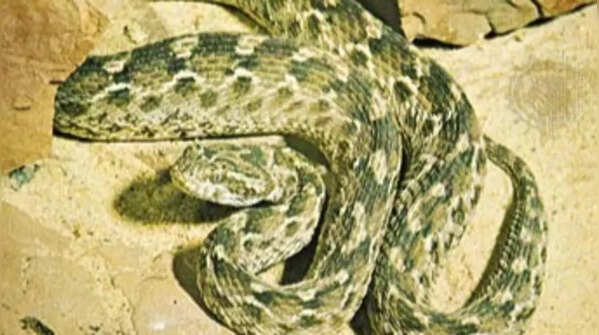
Small in size but recognizable body patterning
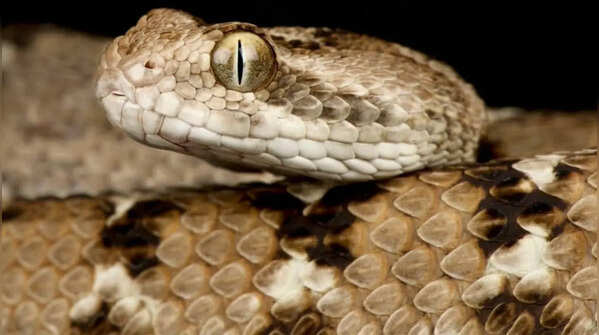
In comparison with such huge snakes as pythons and cobras, the saw-scaled viper has rather a medium or small size. However, it is notable for its body patterns, which consist of zigzagging or chain-like markings. The scale cover looks rough and strongly keeled, which makes the appearance of this snake more noticeable. These body patterns serve as a natural camouflaging for dry surroundings where the saw-scaled viper hides during the day.
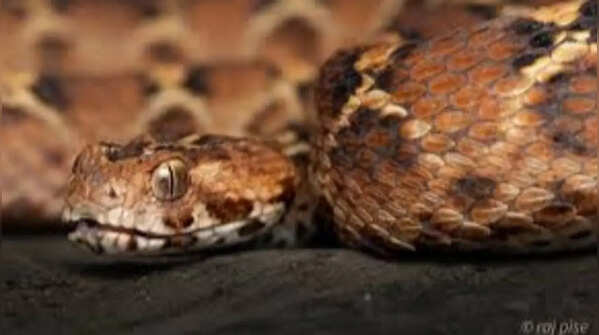
Rough scales produce specific warning sounds
The main distinctive characteristic of this dangerous species of snake is the creation of warning sounds. In particular, if the saw-scaled viper senses a threat, it rubs different sections of its body with rough scales to produce a harsh rasping sound known as "sizzling." Such defensive actions work as a warning signal from this animal to other snakes or people who can harm it.
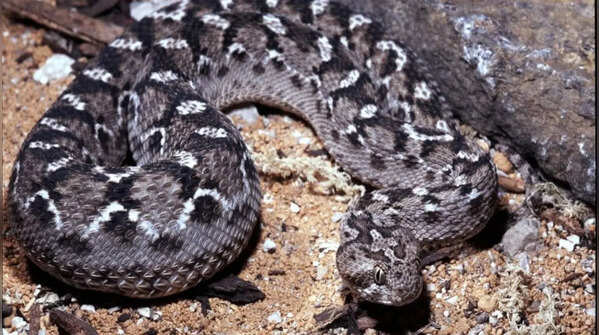
Stout body with a triangular head
As opposed to other species of snakes characterized by slender bodies, the saw-scaled viper typically has a stout and compact body. Additionally, this snake is distinguished by a broad, triangular head. The saw-scaled viper's eyes are relatively big and feature vertical pupils that make the head of this animal appear more alert. The body is usually shorter than other snakes' bodies.
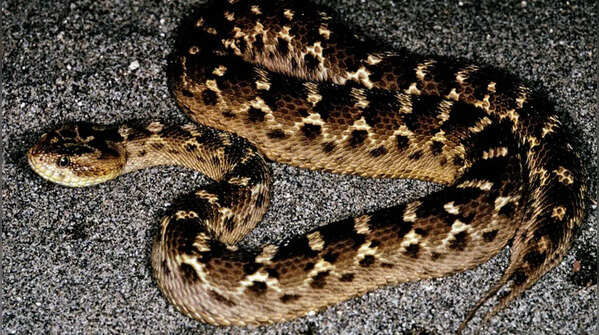
Found in dry habitats
As it has already been mentioned above, the saw-scaled viper inhabits dry places, including desert areas, scrubland, sandy plains, rocky terrains, and semi-arid regions. Moreover, this dangerous animal likes hiding under stones, dry leaves, rocks, dry soil, and even abandoned burrows in the day. Saw-scaled vipers can also be occasionally found on agricultural lands and in rural areas while seeking refuge or food sources.
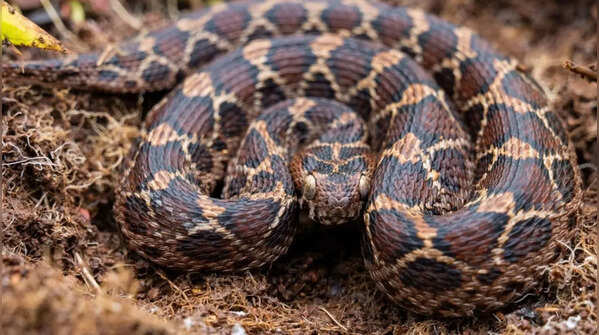
Active mostly during the night and evening time
Most of the time, the saw-scaled viper leads nocturnal or crepuscular life, which means that this reptile usually becomes active during the evening and night hours. A cooler climate allows this animal to move freely in extremely hot surroundings. As a result, most of the encounters between this species and humans occur at night.
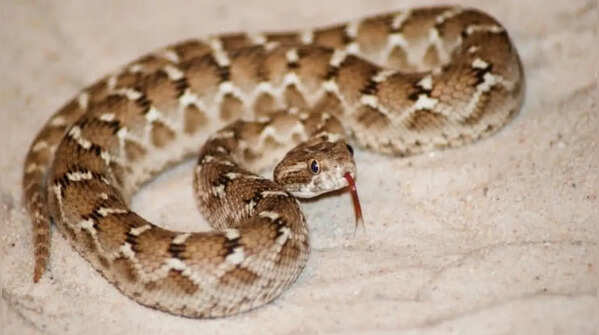
Defensive actions seem to be aggressive
If provoked, the saw-scaled viper creates the figure eight with its tail. It rubs different parts of the body to create a rasping warning sound. However, if the provocation lasts too long, the snake can attack by striking rapidly. Nonetheless, it is crucial to keep in mind that like all other snakes, this one prefers to avoid fights with people and use warnings to prevent such confrontations.
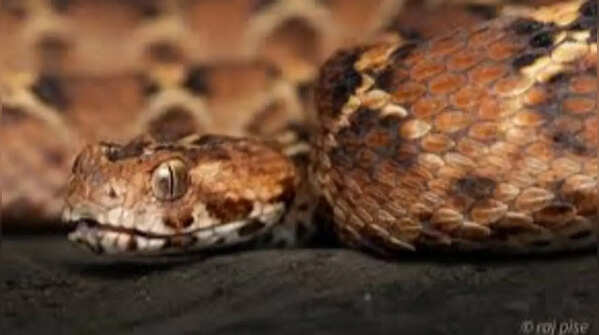
Never attempt to touch the animal
A large number of snakes that live in the same habitat as the saw-scaled viper are harmless to humans. Therefore, no matter how harmless the snake appears to look, one should not attempt to touch or catch it. To prevent accidents caused by venomous snakes, one should immediately contact wildlife professionals when encountering one of these reptiles.
Disclaimer:
This article is for general informational and educational purposes only. The identification details and behavioral descriptions mentioned here are based on commonly documented wildlife research and observations of the saw-scaled viper. Snake appearance and behaviour may vary depending on region, age, and environmental conditions, and many non-venomous snakes may resemble venomous species. Readers are strongly advised not to approach, handle, or attempt to identify wild snakes closely. In case of a snake sighting or emergency, always contact trained wildlife authorities or professional snake rescue experts.
Featured In lifestyle

