
- News
- lifestyle
- home-garden
- Growing persimmon at home? These 5 tips make it surprisingly easy
Growing persimmon at home? These 5 tips make it surprisingly easy
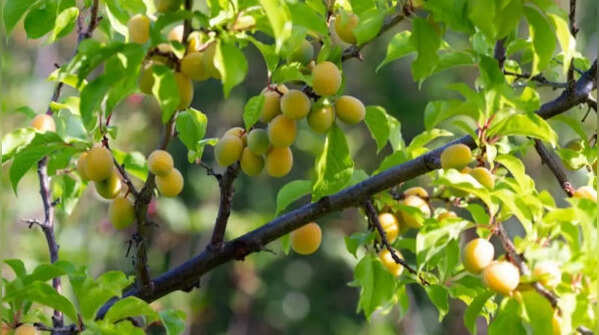
Growing persimmon at home? These 5 tips make it surprisingly easy
Persimmon is often treated like a difficult fruit tree, mostly because it doesn’t behave like the plants people are used to growing at home. It doesn’t fruit quickly, doesn’t respond well to trial-and-error care, and for a long time, it can look like nothing much is happening. But the issue isn’t that it’s hard to grow. It’s that most people approach it with the wrong expectations. Once you understand how it actually works, it becomes far more manageable.
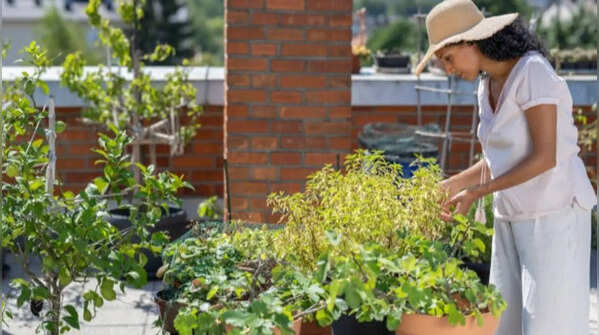
Not all persimmons behave the same way.
There are essentially two main varieties of persimmons: astringent and non-astringent. Non-astringent types such as Fuyu can be eaten when firm, and are generally more suited to growing at home. Astringent varieties must ripen to remove the bitter taste, and are more susceptible to climate. Horticultural studies from the University of Georgia point out that choosing the right variety for your climate is critical, particularly in hot climates where some varieties can be grown but do not produce fruit.
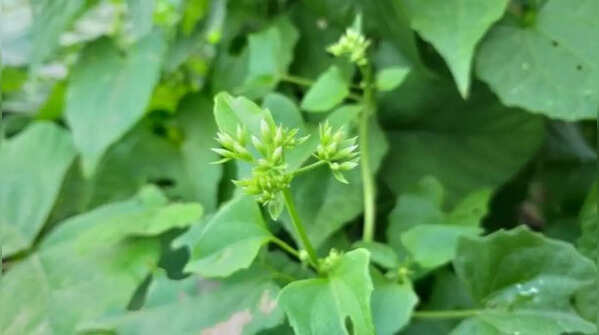
Fruit drop is often not a problem; it's how the plant regulates itself
One of the most frustrating things for growers is seeing small fruits drop early. But in many cases, this isn’t a mistake in care. It’s the plant adjusting itself. Persimmons drop fruit if they can't sustain it all. Research from agricultural extensions in the US reveal that abrupt changes in irrigation, temperature or nutrient deficiencies in the soil can raise the fall. This apparent failure is actually your tree making a decision on how much it can manage.
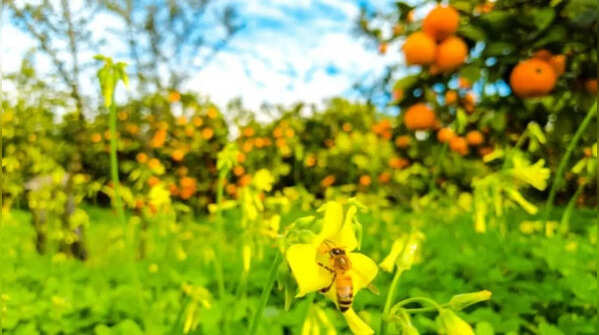
Pollination changes both yield and fruit quality
It may surprise you that persimmons are different when pollinated. Some persimmons can fruit without pollination, but if pollinated, may contain seeds and different texture. Other varieties are more dependent on pollination for quantity. According to research from the University of California’s agriculture department, pollination can influence not just quantity but also internal fruit quality. This is rarely considered in home gardening, but it explains why two similar plants can behave very differently.
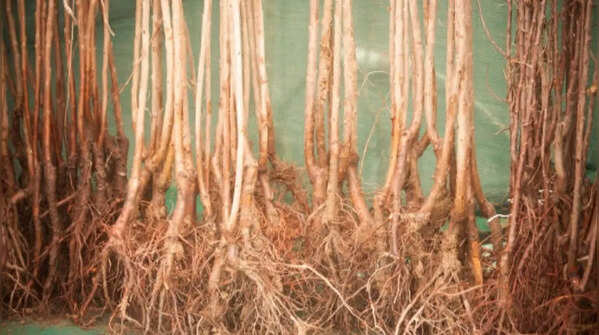
Root disturbance can delay fruiting for years
The persimmon trees are particularly weak. Although repotting and planting persimmon trees or transferring them can be remedied, the trees may be stunted when their roots are frequently disturbed. The Royal Horticultural Society recommends that fruit trees, once planted, especially those in pots, live longer and bear more when not disturbed. Fruiting can be delayed by repotting or shifting when the plant might seem to have been healthy.
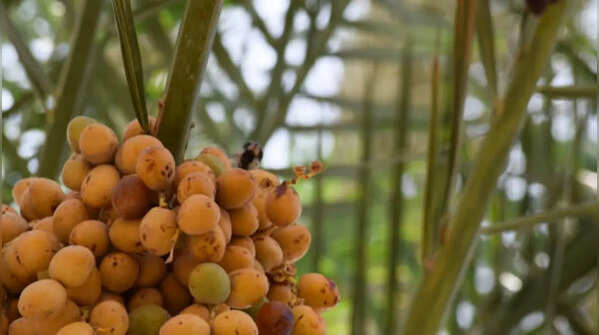
It needs time, but not in the way people assume
Persimmons do take a while to fruit, several years. But what people don't realise is that it's not about time. It’s about the tree reaching a stage where it focuses on reproducing rather than growing. Recent agricultural research indicates that steady sunlight, watering, and low-stress allow the tree to reach this stage more quickly.
So while time is important, conditions determine how that time is used.
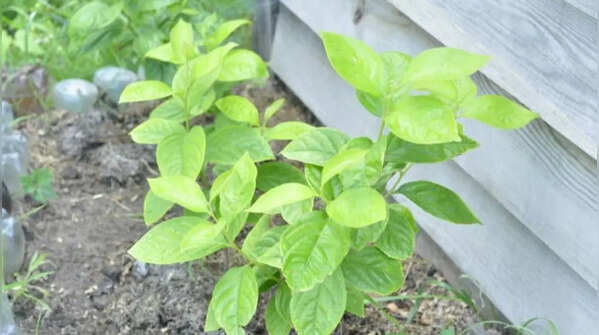
Persimmon is not a plant that responds well to guesswork.
It rewards stability, not constant adjustment. Once the basics are right and the plant is left to establish itself properly, it begins to behave differently, less like a slow plant, and more like a steady one. And that’s when it starts doing what most people were waiting for all along.
Featured In lifestyle

MORE FROM ETIMES
life & style