
- News
- lifestyle
- home-garden
- Animals that carry their homes with them
Animals that carry their homes with them
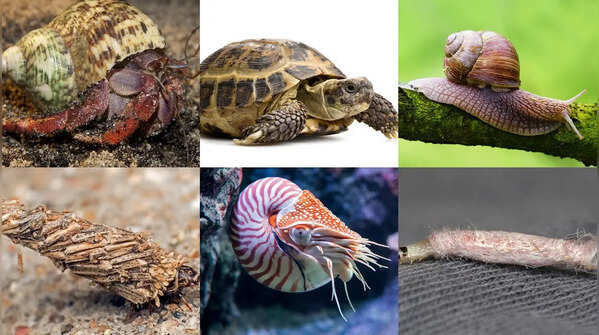
Animals that carry their homes with them
Nature has evolved a number of unique survival tactics, and one of the most fascinating ones is the ability of some animals to transport their home wherever they roam. These animals do not need to construct permanent homes but have found other ways to protect themselves from potential threats like predators and harsh environmental conditions. In this regard, these animals may either develop a house of their body or gather materials to create a portable shelter in their environment. The main advantage of these portable homes is providing safety and helping animals survive in the ever-changing environment. Let us look at seven amazing examples of animals that carry their homes wherever they go.
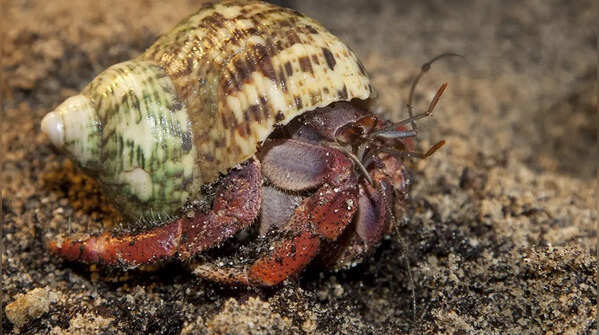
Hermit crab – the shell borrower
The first creature that we will discuss today is the hermit crab. Being very weak and unprotected, these crabs find homes in abandoned seashells. As they grow bigger, they always seek for new houses to move to, which makes watching them relocate quite amusing.
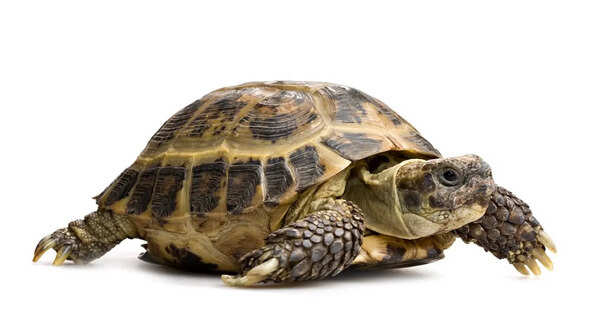
Tortoise – carrying a natural shield
Among the most famous portable homes, there is certainly the shell that belongs to the tortoise. Different from hermit crabs, tortoises do not borrow shells from other species but rather produce them themselves as parts of their bodies. With the help of the shell, they stay protected from various dangers.
Snail – the slow-moving home carrier
A snail can be called an example of an animal that takes care of itself without any assistance from other animals or plants. In this way, it creates its home, which provides protection from predators and different environmental conditions. The home of a snail changes its size and strength depending on how much the animal grows.
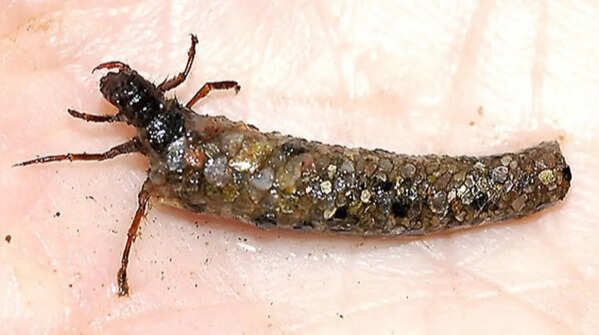
Caddisfly larva – the underwater architect
An interesting case of animals that can create homes with the help of objects from their surroundings is represented by caddisfly larvae. Using stones, sand, leaves, and plant pieces, they create portable houses for themselves in order to camouflage from potential enemies in streams and ponds.
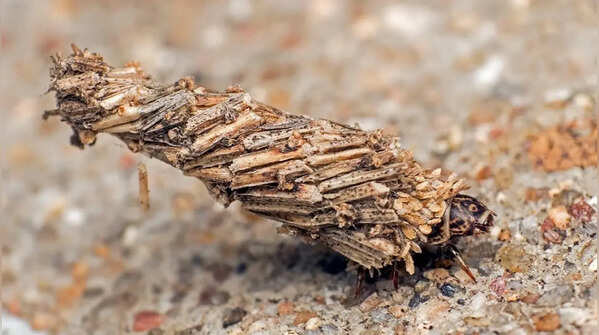
Bagworm moth larva – hidden inside a hanging case
Another group of caterpillars that can create portable shelters for themselves is bagworm moth larvae. Using their silk along with surrounding plant parts, they create a protective case hanging on trees and other plants to make their enemies invisible.
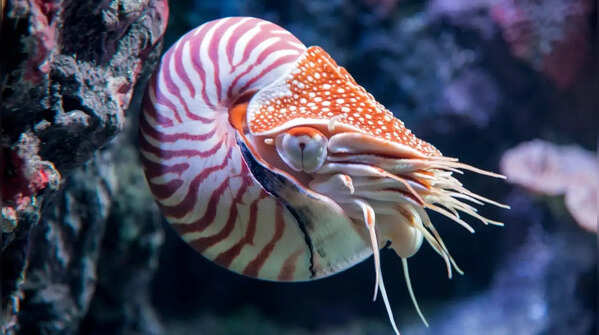
Nautilus – the ancient shell carrier
An unusual marine creature that can be called the relative of octopuses is the nautilus. It differs from the rest of cephalopods by having a shell that serves as a protective cover for the rest of its body.
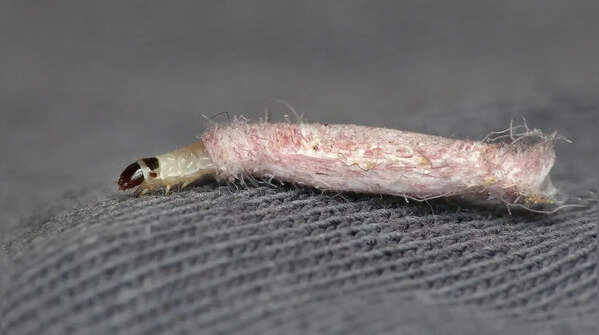
Case-bearing moth larva – carrying a silk-made shelter
Finally, larvae of moths that feed on plants create their portable homes by constructing shelters out of silk. Then, the larvae use leaves and plants to strengthen them.
Disclaimer:
This article is for general informational and educational purposes only. The animal behaviors and characteristics mentioned here are based on commonly documented wildlife observations and biological research. Behavior, habitat, and survival strategies may vary between species and environmental conditions. Readers are advised not to disturb or handle wild animals in their natural habitats and to consult wildlife experts or educational resources for more detailed scientific information.
Featured In lifestyle

