
- News
- lifestyle
- home-garden
- 8 practical ways to prevent damage during home renovation
8 practical ways to prevent damage during home renovation
8 practical ways to prevent damage during home renovation
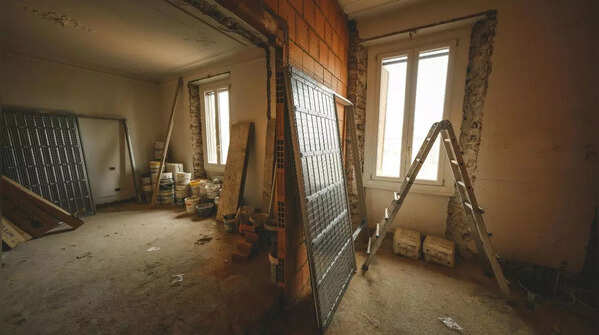
Home renovation gives a living space a face-lift, but it also means dust, debris, and accidental damage that could affect floors and furniture, even to structural elements. Without proper planning and protection, a minor renovation job could quickly balloon into costly repairs or health concerns. Preventive measures taken before and during the construction will preserve safety and cleanliness and will protect the home's long-term value.
Image Credit: Canva
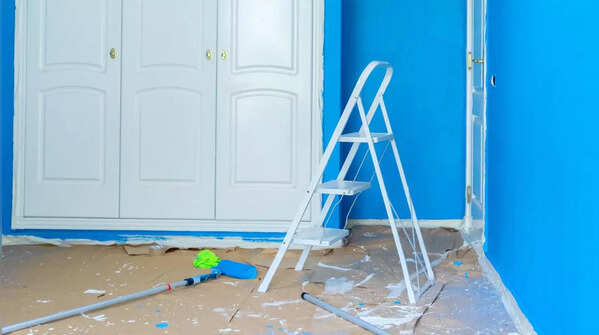
Contain dust and seal the work area
Construction dust can circulate via vents and settle all over the house if not properly controlled. To stop the dust from spreading around the house via doorways, windows, and vents, seal these areas with plastic sheets and tape. In addition, using HEPA (High-efficiency particulate air) vacuums and correct cleaning techniques minimises the dust circulating in the air during the renovation.
Image Credit: Canva
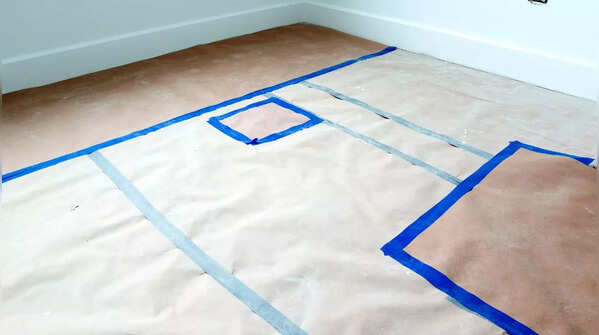
Protect floors with temporary coverings
Floors are also very susceptible to scratches, dents, and stains due to heavy tools, debris, and foot traffic. One effective step to minimise floor damage, is to place temporary floor coverings, such as cardboard, ram board, or drop cloths. This will not only create a protective layer but also serve as temporary walkways for constructors.
Image Credit: Canva

Cover furniture, glass, and surfaces
Dust, paint splatters, and accidental impact can damage furniture, windows, and appliances. Using plastic sheets, tarps, or protective films shields delicate items from debris and scratches. Removing fragile décor and securing protective covers ensures that valuables remain safe until renovation work is completed.
Image Credit: Canva

Maintain daily cleaning and debris removal
Regular sweeping, mopping, and wiping prevent dust from building up or debris from scratching surfaces and making its way into every corner of the home. Continuous cleaning, particularly in corners and high-traffic areas, helps to keep the renovation area contained and limits the number of restorations needed after the project is completed.
Image Credit: Canva
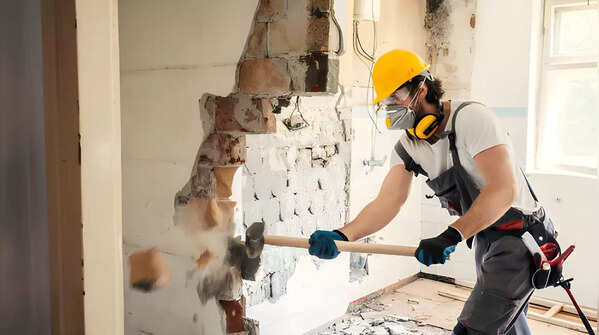
Check structural safety and utility lines before starting work
Before beginning any demolition or drilling, it is important to verify the location of structural walls, electrical wiring, plumbing lines, and gas connections. Damaging these hidden systems can lead to costly repairs, safety hazards, or even serious accidents. Consulting architectural drawings or hiring a qualified professional to inspect the area ensures that renovation work proceeds safely without compromising the home’s structural integrity or essential utilities.
Image Credit: Canva
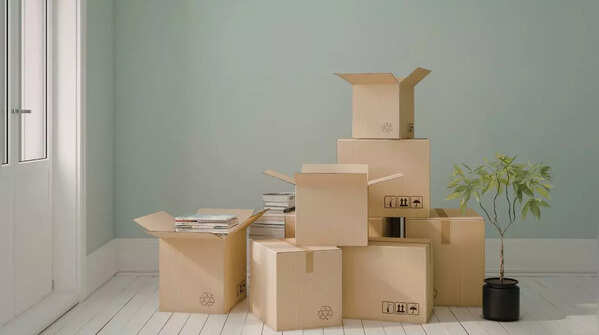
Store items safely or move them temporarily
Keeping belongings in a designated safe room or external storage unit prevents accidental breakage and reduces clutter in the work zone. Proper labeling and organised storage also make it easier to track items and restore the home efficiently after renovation is complete.
Image Credit: Canva
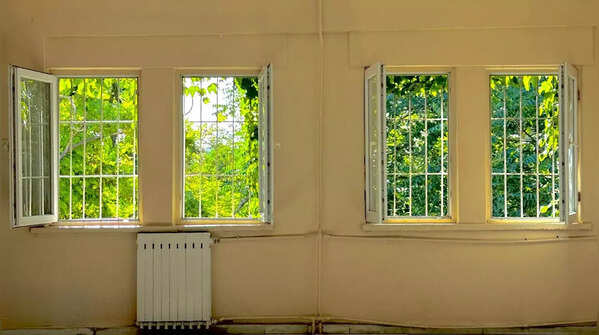
Improve ventilation and minimise airborne hazards
Blocking vents, using fans to direct dust outdoors, and maintaining airflow help control contaminants generated during renovation. Proper ventilation not only protects surfaces from dust accumulation but also safeguards occupants’ respiratory health and overall indoor environment.
Prevention of damage is essential during the renovation of a house. This is achieved on one's part by planning ahead. This includes everything from dust protection to floor coverings, documentation of belongings, to security. All these steps come into use for the better preservation of the house. Planning is important not only for economic reasons but also for safety. With the right preventive strategies in place, homeowners can confidently upgrade their spaces while protecting the comfort, cleanliness, and value of their property.
Image Credit: Canva
Featured In lifestyle

