- News
- lifestyle
- home-garden
- 6 Fascinating plants that do not produce flowers but still thrive in nature
6 Fascinating plants that do not produce flowers but still thrive in nature
6 Fascinating plants that do not produce flowers but still thrive in nature
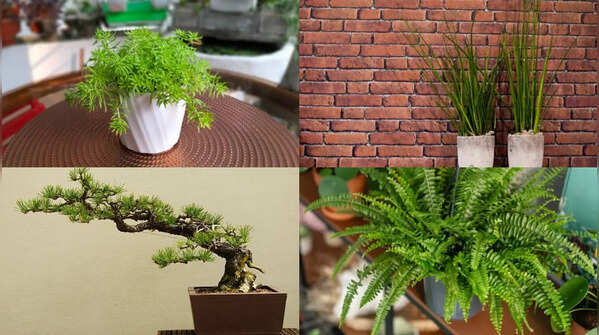
Flowers are probably what most people associate with plants. Indeed, many flowering plant species can be seen everywhere. However, some ancient species of plants did not use flowers as reproductive organs; instead, they produced spores or seeds. In other words, they belonged to a category of primitive plants that evolved before flowering ones emerged. Even nowadays, such plants flourish in various landscapes and gardens and are no less beautiful.
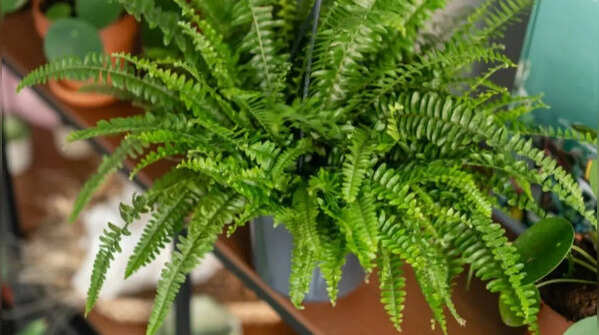
Ferns – Non-flowering plants with stunning feathery leaves
One of the best-known representatives of ancient plants is the fern. Unlike flowering plants, it uses spores for reproduction, which grow in special leaf structures known as fronds. Ferns have existed for tens of millions of years, growing in the shade of large trees and in the conditions of high humidity. The feathery, elegant leaves of ferns make them a popular choice as house and garden plants.
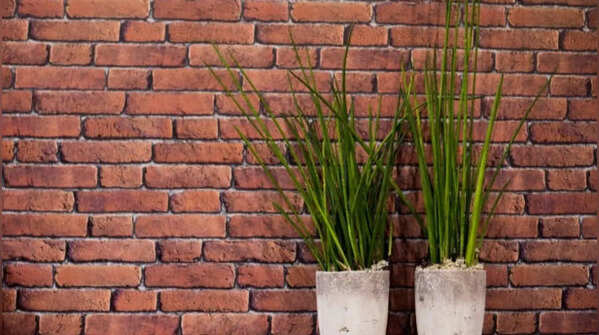
Horsetail – A non-flowering plant survived for hundreds of millions of years
Horsetail is another example of an ancient plant that has survived to this day. Like other types mentioned above, horsetail produces spores and does not bloom. It is characterised by having hollow, jointed stems that give it an unusual look. The fossil records prove that millions of years ago, horsetails had the form of gigantic trees. Nowadays, they can be spotted near water bodies and streams
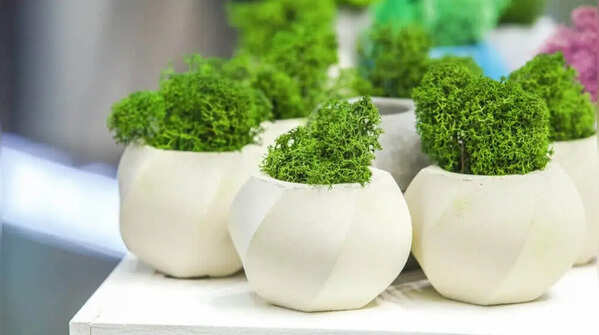
Moss – Small non-flowering plants that create carpet-like patterns
Another type of non-flowering plant species is moss. This small species forms thick carpets of green moss, growing on rocks, tree trunks, and even damp soil. As fern, moss also produces spores. It plays an essential role in creating moisture for its habitat and prevents soil erosion. Its beautiful green leaves and soft structure make it a valuable element of many gardens.
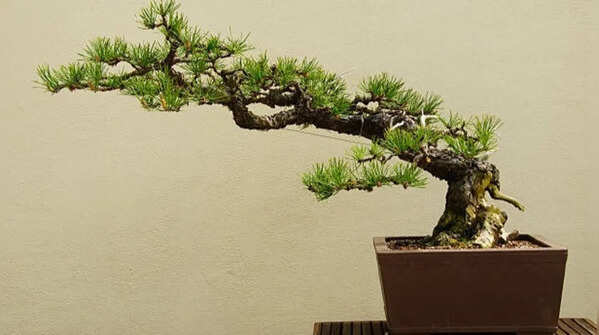
Pine tree – Cone-bearing seed producers
A pine tree belongs to the group of gymnosperms. Like most representatives of this class, pine trees produce cones. In addition, they never develop flowers. Instead, pine trees have needle-like leaves and are able to live in tough conditions. Pine forests occupy a large part of the world's territory, creating a comfortable habitat for many species of animals.
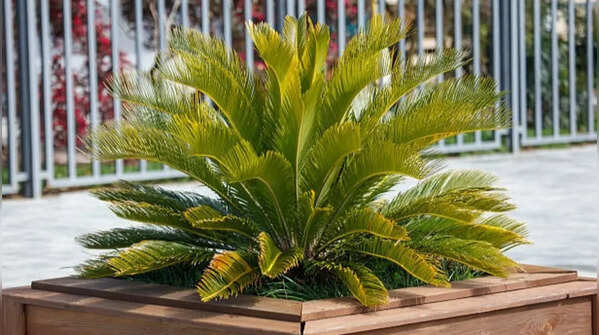
Cycad plants – Living fossils from the era of dinosaurs
These plants are often called living fossils since they have preserved the features that were characteristic for plants that existed millions of years ago. Cycad plants resemble palms, but unlike these plants, they produce cones rather than flowers. Being abundant in the era of dinosaurs, cycad species still exist and even grow in various tropical and subtropical regions of the world.
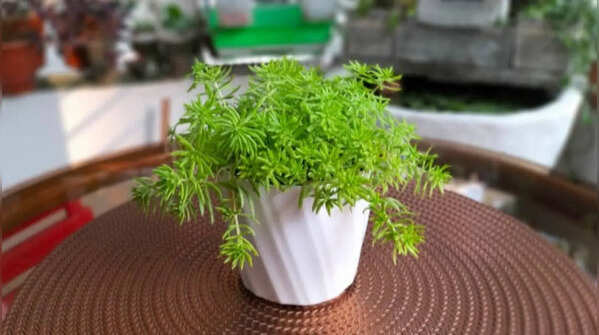
Club mosses – Small ancient spore-producers
Club mosses also belong to ancient plants, even though they may remind some people of mosses. Actually, there is no similarity between them, despite club mosses also being non-flowering plants. Instead, they reproduce through spores, similarly to mosses, ferns, and horsetails. Being quite low-growing plants, club mosses create a wonderful carpet of leaves with a vivid green colour.
Featured In lifestyle

MORE FROM ETIMES
life & style