
- News
- lifestyle
- home-garden
- 5 small home changes that can reduce stress without spending money
5 small home changes that can reduce stress without spending money

Small changes to make at home to reduce stress without breaking the bank
Home, the place where you come back to at the end of the day, should feel like a relief, not another chore — right? But in real life? Home is often where the email tabs multiply, laundry chairs overflow, and that one junk drawer stares back at you. In a cluttered space like this, peace can feel out of reach. But here’s the upside: making your space calmer doesn’t mean you need new furniture, scented candles, or that GBP 300 “soothing” lamp. You can change things fast without spending a pound.
Mental health pros agree: changing your environment, just a little, can actually help you feel better. Less clutter, more natural light, cutting distractions, and having spots for chilling out all lower stress. Science says clutter raises stress and makes it harder to focus or unwind, while sunlight and plants give your mind a much-needed break.
The bottom line here: calm isn’t about buying more, it’s about moving the mess out of your way.
Here, we unpack five such fixes that might help you have a home that feels less chaotic and more soothing.
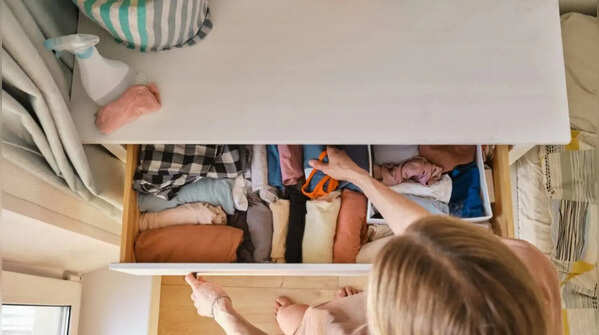
Clear off one surface
Don’t aim for perfection. Just pick one spot: the nightstand, kitchen counter, your work desk, or the chair that’s always buried in extra clothes. Clutter tricks your brain into feeling like it has a hundred things to do. Getting rid of even a bit can lower stress right away.
How to do it: Clear everything off. Only put back what you actually need, or what feels peaceful. No need for a “Before/After” moment; just make one part look less manic.
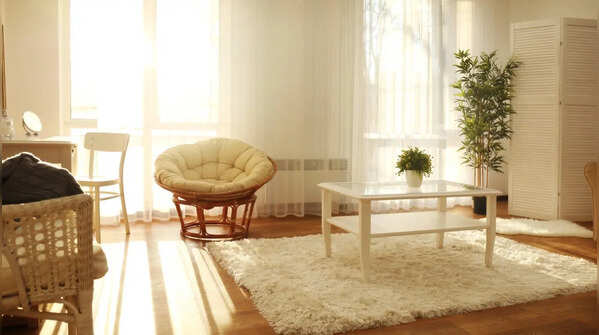
Let in the light early
Talk about dopamine dose in abundance! Natural light is the easiest mood booster, and the sun is still free (thankfully). Daylight keeps your body clock healthy, helps you sleep, and lifts your mood. Dark, crowded spaces weigh you down.
How to do it: Open curtains and blinds as soon as you can. Move your favorite chair closer to a window, or put mirrors in shadowy spots to bounce light around. Don’t let “temporary storage” become permanent, and keep those windowsills clear. Think of sunshine as emotional Wi-Fi.
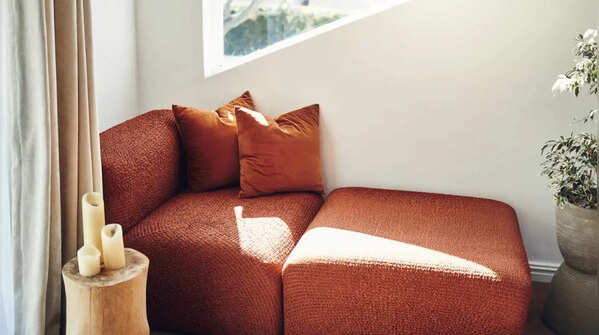
Make one ‘no-stress corner’
Your mind likes signals. If every inch of home means “work” or “catch up” or “one more thing to do,” you never unwind. Even the smallest corner can feel like a reset button.
How to do it: Pick one spot: think a cozy chair, a nook, a balcony seat, and declare it “rest only.” No emails, no to-dos, no multitasking. Just chill, read, sip tea, even stare off into the distance. It works, even if the rest of your space is still busy.
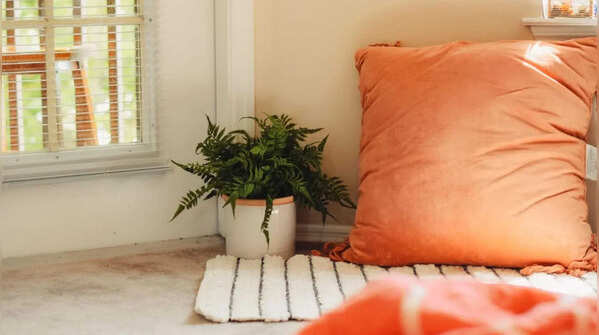
Keep screens away from rest spots
Sometimes it’s not the mess, it’s the constant glare of the screens. Keeping your phone or laptop next to your bed wires your brain for stress, not sleep. Most experts say ditching the tech before bed helps you wind down and sleep better.
How to do it: Charge your phone away from your bed. Stash your laptop and papers outside the bedroom if you can. Try to make your sleeping spot so chill that it’s almost boring. You want your brain thinking “sleep,” not “work email from last winter.”
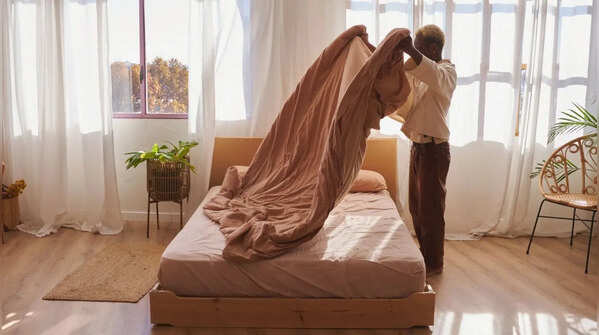
Reset your space before bed
Morning routines get all the attention, but clearing up at night might matter more. Tidying up a bit before you crash means less stress when you wake up and a calmer start tomorrow.
How to do it: Take five minutes to straighten the blanket, clear your nightstand, put your mug in the kitchen, hang up clothes, or take them off “the chair.” You’re not reinventing yourself. You’re just making things a tiny bit nicer for the next morning, and honestly, your future self will appreciate it.
Featured In lifestyle

