
- News
- lifestyle
- home-garden
- 10 easy herbs and plants to grow in a compact vertical garden
10 easy herbs and plants to grow in a compact vertical garden
10 easy herbs and plants to grow in a compact vertical garden
Vertical gardening allows you to cultivate fresh herbs, leafy vegetables, and ornamental plants even in a small space such as a balcony, patio, or backyard. With the right selection of hardy and unpretentious plants that grow well in planters or vertical gardens, you can have an abundance of plants and fresh produce without taking up much space. Here are the ten plants that grow well in a small vertical garden.
Image Credit: Canva
Mint
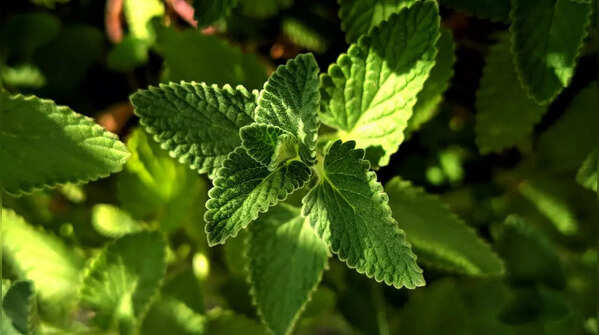
Mint is one of the simplest herbs to cultivate vertically because it grows very quickly and can be grown in pots or vertical planters. When mint is grown vertically, its fast growth is controlled, which means it won’t take over other plants. Mint needs partial sunlight and moist soil, and its leaves are great for making tea, desserts, and garnishes.
Image Credit: Canva
Basil
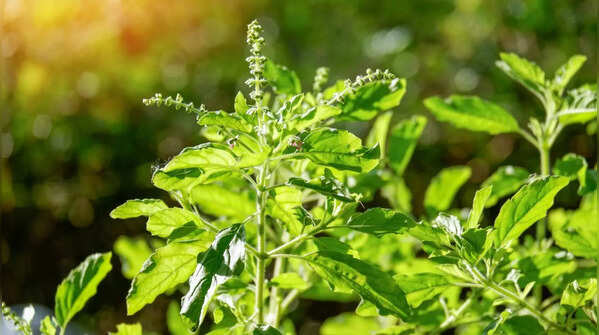
Basil’s compact habit and fragrant leaves make it a great choice for vertical gardening. Basil prefers plenty of sunlight and a warm location, it will grow bushier if harvested regularly. Basil’s leaves are a key ingredient in many dishes, such as salads, sauces, and pesto, and vertical gardening allows it to be productive even in a small space.
Image Credit: Canva
Parsley
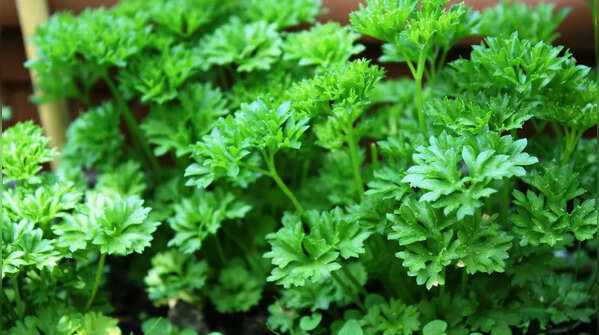
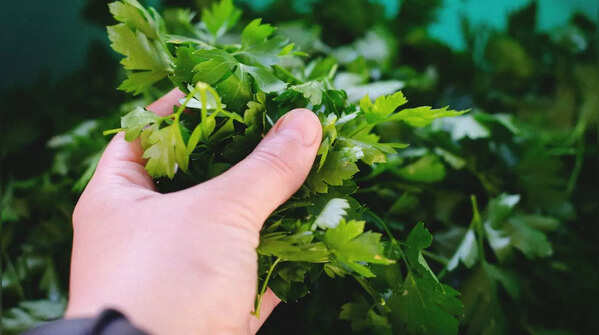
Parsley thrives in vertical planters and grows well in partial to full sun. It prefers evenly moist, well‑drained soil. Both curly and flat‑leaf varieties provide lush green foliage that can be harvested continuously for salads, soups, and garnish, making parsley a versatile choice for compact gardens.
Image Credit: Canva
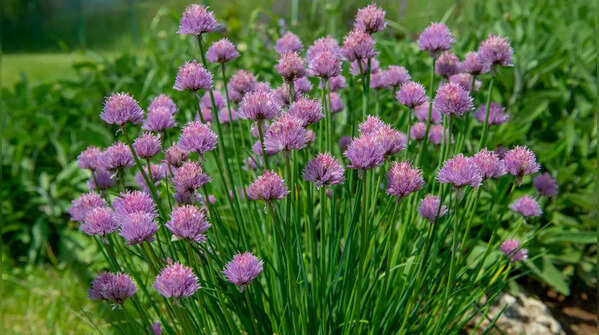
Chives
Chives are perfect for tight vertical spaces due to their upright growth habit and minimal root spread. They need moderate sunlight and regular watering. Harvesting chives often encourages new growth, and their mild onion flavour enhances soups, dips, and salads.
Image Credit: Canva
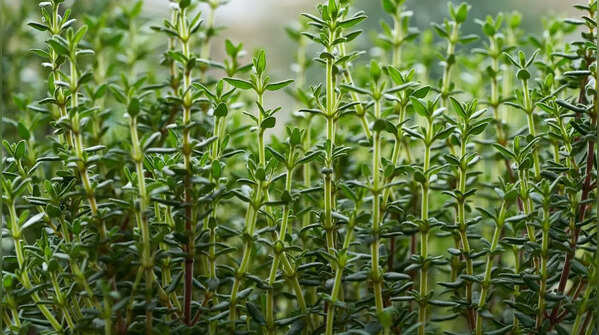
Thyme
Thyme is a hardy, low‑growing herb that prefers well‑draining soil and full sun. Its compact and slightly trailing habit makes it excellent for vertical garden pockets. Thyme’s fragrant leaves are ideal for seasoning meats, vegetables, stews, and soups without taking up much space.
Image Credit: Canva
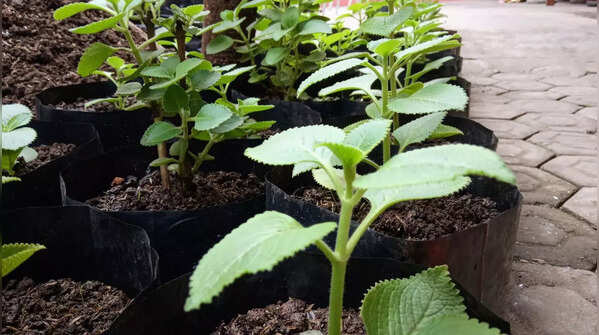
Oregano
Oregano is a great choice for vertical gardening, as it grows in a bushy manner that fills the container without taking up much space. It requires plenty of sunlight and well-drained soil. The leaves are strong in flavour and ideal for Italian and Mediterranean cuisine. Regular harvesting ensures the plants remain healthy and productive.
Image Credit: Canva
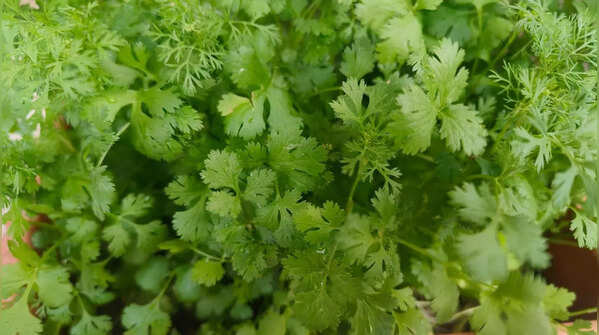
Cilantro (Coriander)
Cilantro grows quickly and does well in vertical gardens with partial to full sun exposure. It prefers consistent moisture and grows compactly, making it suitable for vertical planters. The bright, citrusy leaves are a favourite in many cuisines and can be harvested often for fresh use.
Image Credit: Canva
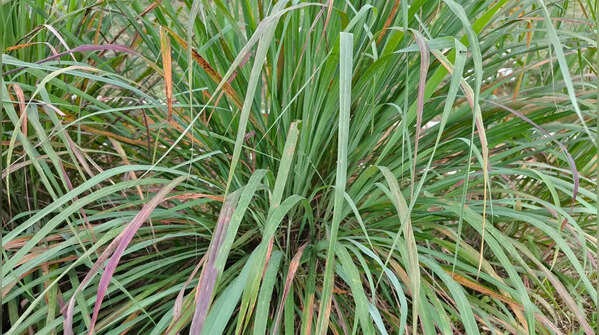
Lemongrass
Lemongrass is a tall, clumping herb with fragrant leaves that thrive in vertical gardens with deeper pockets or larger containers. It prefers full sun and moist, rich soil. Its citrusy aroma enhances teas, soups, and stir‑fries, while its vertical growth adds height and texture to garden walls.
Image Credit: Canva
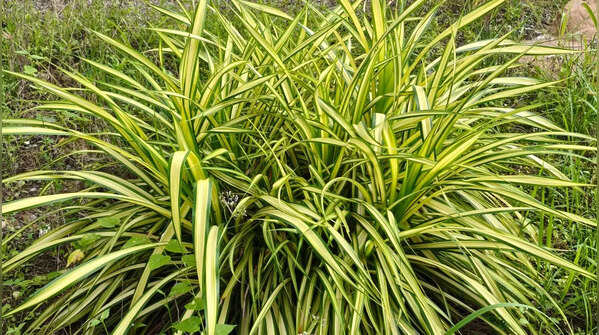
Spider Plant
Spider plants are inedible, but they are the best for vertical gardens due to their curved leaves and the fact that they can thrive in various light conditions. The leaves of spider plants grow in a cascading manner, which provides a lush appearance, and they require minimal maintenance.
Image Credit: Canva

Coleus
Coleus is an ornamental plant that has colourful leaves. It grows well in vertical gardens with partial to full shade, depending on the type of plant. With very little maintenance, coleus plants can be used to create contrast among herbs and greens.
A small vertical garden can be both functional and aesthetically pleasing by choosing plants that grow well in containers and small spaces. Herbs such as mint, basil, and oregano provide fresh culinary flavours, while parsley, chives, and cilantro provide greenery and a constant harvest. Incorporating ornamental plants such as spider plants and coleus provides a decorative element, making vertical gardening a fulfilling experience for growing fresh and colourful plants in your own home.
Image Credit: Canva
Featured In lifestyle

MORE FROM ETIMES
life & style