
- News
- lifestyle
- health-fitness
- health-news
- Why vitamin deficiencies often show up on your face or hair
Why vitamin deficiencies often show up on your face or hair

Vitamin deficiencies showing up on your face or hair: Here's how
Ever stare at your reflection and wonder why your skin looks tired, your hair seems thinner, or your face just isn’t as bright as it used to be? It’s easy to blame age or stress, but sometimes, those changes are your body’s way of waving a red flag about vitamin deficiencies. Vitamins aren’t just about what’s on your plate—they’re the backstage crew making sure your skin glows, your hair stays strong, and you look and feel like yourself. When you’re running low on the essentials, your face and hair are often the first places to reveal the truth.
Medical professionals and scientists will tell you this: even the smallest shifts in your skin’s texture, color, or dryness, or changes in your hair, can be more than just cosmetic. These details sometimes point to what’s going on inside, long before you feel anything else. And with so many of us spending more time indoors, skimping on fresh foods, or living with constant stress, it’s smart to know which vitamin shortages show up on the outside—and what actual research and medical experts say about catching and fixing these sneaky problems.
Here’s how vitamin deficiencies show up on your face and hair:

Vitamin B12: Pale, patchy skin and hair troubles
Vitamin B12 keeps your skin cells healthy and helps them renew themselves. When you’re short on B12, your skin can lose its color and look washed out, dull, or even a little yellowish—sometimes before you even notice you’re tired. Some research points out that B12 plays a role in skin pigmentation, too, so you might spot uneven tone or darker patches.
B12 isn’t just about your skin. It matters for your hair, too. When your levels dip, hair growth can slow down and shedding might pick up—not always all at once, but over time. Of course, hair loss has a lot of causes, but low B12 is one piece of the puzzle.

Vitamin D: Dry, flaky skin and thinning hair
Vitamin D, the famous “sunshine vitamin,” helps your skin repair itself and keeps your hair’s life cycle moving. Low levels? That means your skin can get dry and flaky, and wounds can take forever to heal. Your hair might thin out, too.
It’s surprisingly easy to run low on vitamin D, especially if you spend most of your time indoors or live somewhere with little sunlight. Some reports say up to half the population doesn’t get enough. You won’t go bald overnight, but weak hair follicles and slower growth sneak up on you, especially if you’re not getting enough D from food or the sun.

Vitamin C: Dull skin and slow healing
What you’ll notice:
- Rough, bumpy skin
- Cuts that heal slowly
- Bruises or gum problems that mess with your smile
Vitamin C is your skin’s builder—it helps make collagen, the stuff that keeps your skin bouncy and smooth. Without enough, your skin loses its glow, gets rough, and just looks tired. In the old days, sailors with scurvy had fragile skin and weird, corkscrew-shaped hair. You don’t need to be a sailor to run low, though. Think citrus, bell peppers, strawberries, and tomatoes—these all help a great deal.

Vitamin A: Dryness, rough patches, and breakouts
Vitamin A runs the show for skin cell renewal and keeps your immune system sharp. When you’re not getting enough, your skin gets dry, rough, or starts breaking out, sometimes like acne. That’s because the usual cycle of skin cells gets stuck.
Vitamin A also helps control oil production. If your levels drop, your skin can get flaky and dull. You see vitamin A in tons of beauty products, but the best sources are foods—carrots, sweet potatoes, leafy greens.
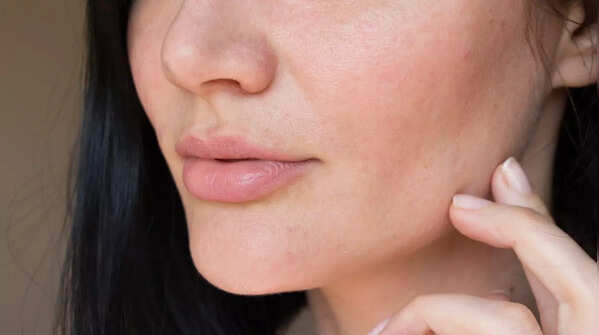
Vitamin E: Weak hair and tired-looking skin
Vitamin E is the bodyguard for your skin and scalp. It protects against damage and keeps blood flowing. If you’re low, you might see dry, lifeless hair that breaks easily, and your skin might look dehydrated. Hair follicles get weaker, and your scalp’s defenses drop, so hair loss or thinning can speed up.
In fact, studies link vitamin E deficiency to a weaker skin barrier, so your face and hair have a harder time handling the daily grind.

Iron and Zinc: Not vitamins, but still key elements
Iron and zinc aren’t vitamins, but they matter just as much for your looks. Low iron can make your skin pale and your hair brittle, since iron helps carry oxygen to your tissues. Zinc is another one: without enough, your skin can get scaly or inflamed, and your hair thins out.
Healthcare professionals spot these issues a lot, especially in people who don’t eat much meat, women with heavy periods, or anyone on a super-restricted diet.

The science behind these changes
A recent review in the Cleveland Clinic Journal of Medicine shows that nutritional deficiencies often cause specific skin changes or findings, particularly from vitamin sources, including vitamin A, B2, B3, and B6, as well as vitamin C and zinc, among other minerals. Researchers claim that the changes in body metabolism may cause changes in hair and skin due to the metabolic activity within the body. This is because hair and skin consist of tissues that continually produce themselves (most notably via protein synthesis), which depend on several nutrients for these functions, including but not limited to collagen production, cell turnover rate, oil production or sebum balance, and protection from oxidative damage via antioxidants.

When to seek medical attention
Visible alterations to the texture of your hair or appearance of your skin are not only caused by a vitamin deficiency. Age, exposure to environmental stresses, fluctuating hormone levels, and genetic predisposition may all contribute to these changes. If you begin to notice a pattern of continuous dryness, thinning of your hair, changes in texture, or abnormal shifts in the complexion of your skin, it is strongly suggested that you speak to your physician. Your doctor can conduct a simple blood test to determine your levels of vitamin D, vitamin B12, iron, and other essential nutrients and help you identify any deficiencies as early as possible.
Featured In lifestyle

