
- News
- lifestyle
- health-fitness
- health-news
- Neurologist shares 3 new year resolutions for better brain health in 2026
Neurologist shares 3 new year resolutions for better brain health in 2026
Neurologist shares 3 new year resolutions for better brain health in 2026
With the beginning of a new year, many of us prioritize physical health as one of our resolutions. However, our modern-day lifestyle demands something more and that is keeping the brain healthy. Brain health is foundational to healthy living. A healthy brain is not just about better mood or focus, in the longer run, it’s what shapes our future and helps preserve productivity, emotional wellbeing, and independence.
Highlighting the importance of brain health, Neurologist Dr. Bing shared three new year resolutions. Dr. Bing notes that prioritizing these three habits can improve and maintain brain health. Let’s explore the three habits and understand how these can help us keep the brain healthy:
Prioritize sleep
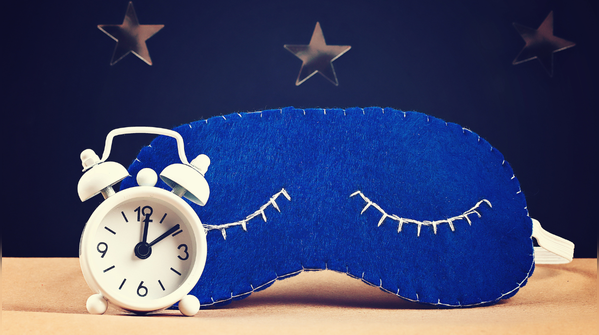
In today’s world, something so important as sleep is getting neglected. Dr. Bing says, “we need 7 to 9 hours of sleep every night for optimal brain function.” He notes that sleep is one of the most important things for brain health.
Dr. Bing says, “a lot of people think poor sleep is the result of stress, anxiety or pain”, however, he notes that “poor sleep is also what feeds those problems and creates a vicious cycle”.
Dr. Bing makes it clear that prioritizing sleep doesn’t mean increasing medications or supplements. He recommends setting a good routine and having good sleep hygiene.

Building consistent daily routine
“The brain thrives on predictability”, says Dr. Bing. He notes that people who have a consistent daily routine suffer from less anxiety and depression.
As a Neurologist, Dr. Bing remembers observing that routines reduce migraine frequencies and even help with chronic pain.
By consistent routines, Dr Bing means: - Regular wake times everyday
- Regular meal times - Consistent movements
- And, consistent wind down signals for the night.

Dance, everyday
“Dancing is the best activity you can do for your body and your brain.” Dr. Bing says dancing combines movement, balance, coordination, memory, rhythm and social connection.
He mentions a 2003 landmark study, where dancing was proven to be the only physical activity to reduce the risk of dementia.
He recommends learning new choreographies, as that challenges more areas of the brain.
The three activities Dr. Bing mentioned are not anything extraordinary. In fact, these are simple daily habits and can be prioritiszed without spending a fortune.
Featured In lifestyle

