
- News
- lifestyle
- health-fitness
- health-news
- Feeling excessive thirst? It could be a symptom of THIS disease
Feeling excessive thirst? It could be a symptom of THIS disease
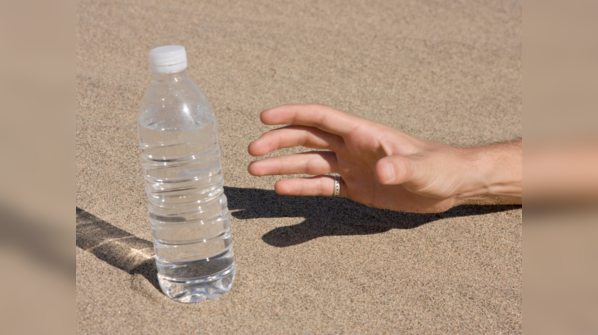
Increased blood sugar might exhibit this symptom
When a patient has elevated blood sugar but not enough of it to be classified as diabetes, it is called pre-diabetes. They are higher than average but yet below what is considered diabetes. When blood sugar levels rise in pre-diabetes, our body tries to eliminate the extra sugar by excreting it in the urine. However, this process also causes water loss.
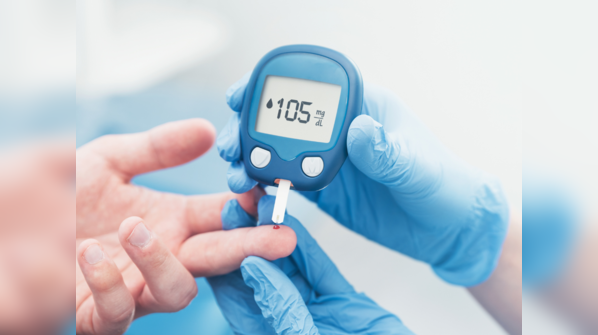
Body starts to retain water
As a result of this loss, the patient will experience mild dehydration and become thirsty. Additionally, we are aware that elevated blood sugar levels are referred to as hyperosmolarity. Here, the patient experiences thirst as a result of the body's attempt to retain more water in the blood as well.

Here’s what the expert says
Dr. Anu Gaikwad, Consultant Diabetologist & HOD Geriatric Medicine, DPU Private Super Specialty Hospital, Pimpri, Pune says, “A patient with elevated blood sugar who does not meet the criteria for diabetes is referred to as having pre-diabetes. They fall short of the criteria for diabetes even though they are above the mean. When blood sugar levels rise in pre-diabetes, our body tries to eliminate the excess sugar by excreting it in the urine. However, this operation also involves a water loss component.”
What does diabetic thirst feel like?
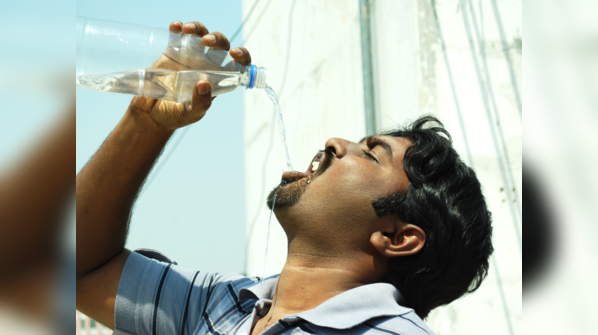
These could include, but are not limited to, extreme thirst, frequent urination, or blurred vision. If prediabetes is not treated, it can progress to type 2 diabetes and cause problems with the kidneys, blood vessels, eyes, and nerves. You may also have persistent thirst and a constant "dry" feeling that does not go away no matter how much water you consume. Regular urination and constant thirst might cause disturbances to your sleep schedule and everyday routine.
The takeaway
This loss from urinating often will cause the patient to get thirsty and experience mild dehydration. Furthermore, we are aware that elevated blood sugar is referred to as hyperosmolarity. Here, the patient experiences thirst as a result of the body's attempt to retain more water in the blood.
Also Read: 5 easy exercises to slow down ageing and stay youthful
Featured In lifestyle

