- News
- lifestyle
- health-fitness
- health-news
- Early signs of prostate cancer men shouldn’t ignore
Trending
Early signs of prostate cancer men shouldn’t ignore
Prostate cancer is a prevalent health concern for men, particularly those over 50, often developing without noticeable symptoms in its early stages. Early detection through regular screenings like PSA tests and DREs is crucial. Changes in urination, pain, or sexual function should prompt immediate medical evaluation to improve treatment outcomes.
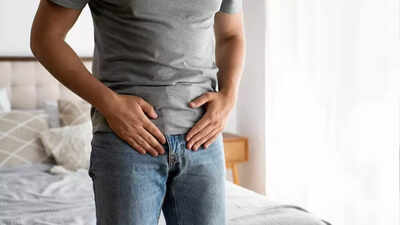
One of the biggest challenges with prostate cancer is that it often develops without obvious symptoms in its early stages. This is why many men are diagnosed late, when treatment becomes more complicated. However, as it grows, you may notice:Frequent urination, especially at nightDifficulty starting or stopping urinationWeak or interrupted urine flowBlood in urine or semenErectile dysfunctionPainful ejaculationIn advanced cases, back or bone pain, fatigue, unexplained weight loss, or spinal issues may occur if the cancer spreads to bones or nerves.Many of these symptoms can also be due to benign causes, so it's important not to panic, but it’s imperative to get them checked by a professional healthcare provider.
Why prostate cancer symptoms often go unnoticed
Poll
What lifestyle change do you believe is most important for prostate health?
Classic early symptoms: What to watch for
Changes in urination
- Difficulty starting or stopping the urine stream
- Weak or “stop-and-go” flow
- Feeling like the bladder isn’t fully empty
- Needing to urinate more often, especially at night
- Sudden, strong urges to urinate that are hard to control
Pain or burning sensation
Blood in urine or semen
Sudden erectile dysfunction
Unexplained pain
Secondary warning signs
- Painful ejaculation
- Urgency or feeling of incomplete bladder emptying
- Pelvic discomfort while sitting
- New-onset incontinence
Who is most at risk?
- Age: Most cases occur after age 50
- Family History: A father or brother with prostate cancer increases your risk
- Obesity: Being overweight can elevate risk
Could these symptoms be something else?
Why early detection matters
Action steps for men

About the AuthorTOI Lifestyle Desk
End of Article
Follow Us On Social Media








Tired of too many ads?go ad free now
lifestyle videos
Featured In Lifestyle

Tired of too many ads?go ad free now
MORE FROM ETIMES
life & styleHot on the Web
Ukrainian WomanKidney HealthLizard Free Home TipsAmitabh BachchanBelly Fat Loss TipsOG Box Office CollectionAvatar: Fire and Ash TrailerHigh Blood PressureDiljit DosanjhBrain HealthRanveer AllahbadiaBengali Durga Puja Non Veg FoodSalman KhanGut HealthPeripheral Artery DiseaseMagnesium SupplementsBlind SnakesIndia TourismAbhinav KashyapAurra BhatnagarArchana Puran SinghSameer WankhedeKomodo Dragon vs. CrocodileNavratri 2025Bigg Boss 19Akshay KumarSaturn VisibilityMeena KumariJolly LLB 3 Box Office CollectionLiver Disease SymptomsElephant Safari National ParkAlmond Milk BenefitsAnupam MittalSnakes VS MongoosesMadagascar Elephant BirdHypertensionProstate Cancer SymptomsImportant Medical TestsLiver Failure SymptomsArtemis ii 2026Turmeric Face Mask
Trending Topics
Latest MoviesBollywood MoviesHollywood MoviesTamil Movies 2025Telugu Movies 2025Malayalam Movies 2025Kannada Movies 2025Marathi Movies 2025Bengali Movies 2025Top Rated Movies 2025Best Hindi MoviesBest English MoviesBest Telugu MoviesBest Tamil MoviesBest Malayalam MoviesBest Kannada MoviesBest Bengali MoviesUpcoming Hindi MoviesBest Movies Of All TimeBest Hindi Movies of All TimeLatest English MoviesLatest Malayalam MoviesEnglish TV NewsTamil TV NewsTelugu TV NewsMalayalam TV NewsKannada TV NewsMovie ReviewsBhojpuri Cinema NewsGujarati Cinema News
Popular Categories
Viral NewsK Pop NewsWeb Series NewsAnime NewsUpcoming English MoviesUpcoming Tamil MoviesUpcoming Telugu MoviesUpcoming Malayalam MoviesUpcoming Kannada MoviesFashion TipsTravel NewsEntertainment NewsBollywood NewsTollywood NewsKollywood NewsMollywood NewsFood NewsLatest Hindi MoviesLatest Tamil MoviesParenting TipsHome RemediesWeight LossBeauty TipsParenting TipsHindi VideosHindi Video SongsBhojpuri Music VideosLatest Telugu MoviesBhojpuri Music VideoHindi TV News
Latest News
'India ko chhodna nahi' – Pakistani fan goes viral shaking hands with Haris Rauf ahead of Asia Cup finalAquarius Daily Horoscope Today, September 26, 2025: Saturn Warns Against Cutting Corners at WorkWho is Ryan Walters? Oklahoma schools chief, former history teacher, and OU graduate resigns to lead conservative advocacy groupChiefs heiress Gracie Hunt turns heads in $1,629 Dolce & Gabbana dress during NYC date night with Derek GreenOxford adds 12 Caribbean words, including 'Bobolee' and 'pholourie'Diljit Dosanjh reacts to his nomination at the International Emmy Awards for his performance in 'Amar Singh Chamkila': 'All because of...'Hegseth is said to have summoned US military brass from across globe'Palestinians won't leave Gaza,' Abbas tells UN via video“She despises him”: Martina Navratilova fuels controversy with comment on Melania Trump’s viral expression toward Donald Trump'Demon Slayer: Kimetsu no Yaiba - Infinity Castle’ box office collection day 14: Earnings drop ahead of ‘Chainsaw Man’ release, crosses Rs 65 crore markFor first time in nearly 6 decades, Syrian prez steps up to speak at UN‘Left-wing terrorism’: Trump orders probe into violent protest funding; justice dept likely to target Soros-backed groupsCardinals’ Marvin Harrison Jr. facing sophomore slump, but Buccaneers’ Emeka Egbuka shows full confidence'Mirai' box office collections day 14: Teja Sajja's film slows down amid 'OG' frenzy; collects Rs 84 croresZelenskyy to UN: Stop Russia's war now or face destructive arms raceIn NY, Jaishankar calls for peace, ending conflicts'Lokah: Chapter 1 - Chandra' box office collections day 29: Kalyani Priyadarshan film strong in 4th week; nears Rs 142 cr markEntire Sunjay assets suit can't be in sealed cover: HC