This story is from July 24, 2025

Coconut oil vs olive oil: Which is better for heart health?
Coconut oil vs olive oil: Which is better for heart health?
Walk down any health food aisle in the grocery store and you’ll find bottles of different varieties of oil side by side, each flaunting health claims that promise a longer, better life. But when it comes to heart health, which of these trendy oils truly delivers? With so many cooking oils lining supermarket shelves, it’s easy to get confused, especially when popular picks like coconut oil and olive oil claim several health benefits.The answer lies not in marketing slogans, but in what science says, comparing their fat content, antioxidants, and long-term effects on your cardiovascular system.So, based on science-backed information, which one is better for your health?

Olive oil

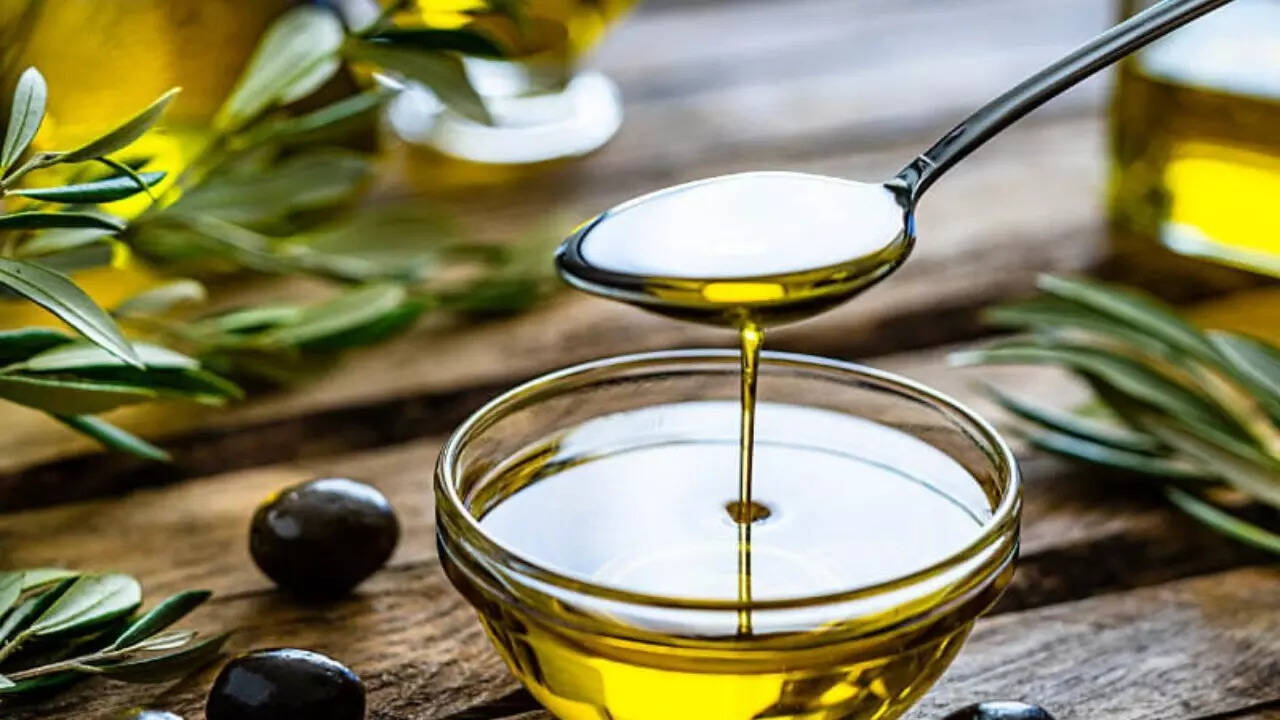
Olive oil, particularly extra virgin olive oil (EVOO), has long been hailed as a cardiovascular champion due to its high levels of monounsaturated fats, antioxidants, and anti-inflammatory compounds.According to researchers from UC Davis and the American Heart Association, its rich content of oleic acid and polyphenols supports cardiovascular health, regulates blood pressure, reduces inflammation, and lowers the risk of diseases like type 2 diabetes and Alzheimer’s.
Let’s delve a little deeper.
Coconut Olive oil (3)
Rooted in the Mediterranean diet, which is consistently linked with lower rates of heart disease, one of EVOO’s key ingredients is oleic acid, a monounsaturated fat that has been shown to reduce LDL (bad) cholesterol without affecting HDL (good) cholesterol.According to the American Heart Association, researchers found that those who ate more than half a tablespoon of olive oil each day had a 15% lower risk of having any kind of cardiovascular disease and a 21% lower risk of coronary heart disease. Replacing one teaspoon of butter, margarine, mayonnaise, or dairy fat with the same amount of olive oil lowered the risk of cardiovascular disease by 5% and coronary heart disease by 7%.Moreover, EVOO is rich in polyphenols, natural antioxidants that help reduce inflammation, improve blood vessel function, and protect LDL cholesterol from oxidative damage (a major trigger for atherosclerosis). Compounds like oleocanthal (acts like a natural ibuprofen, blocking enzymes that fuel inflammation), found only in extra virgin varieties, have even been compared to ibuprofen in their ability to reduce inflammation.A landmark 2013 study published in the New England Journal of Medicine found that people who consumed a Mediterranean diet rich in olive oil had a significantly lower risk of heart attack, stroke, and death from cardiovascular causes.Another study reveals that higher olive oil consumption correlates with lower risks of heart disease, stroke, and overall mortality, which are the key benefits of Mediterranean-style diets.

Coconut oil

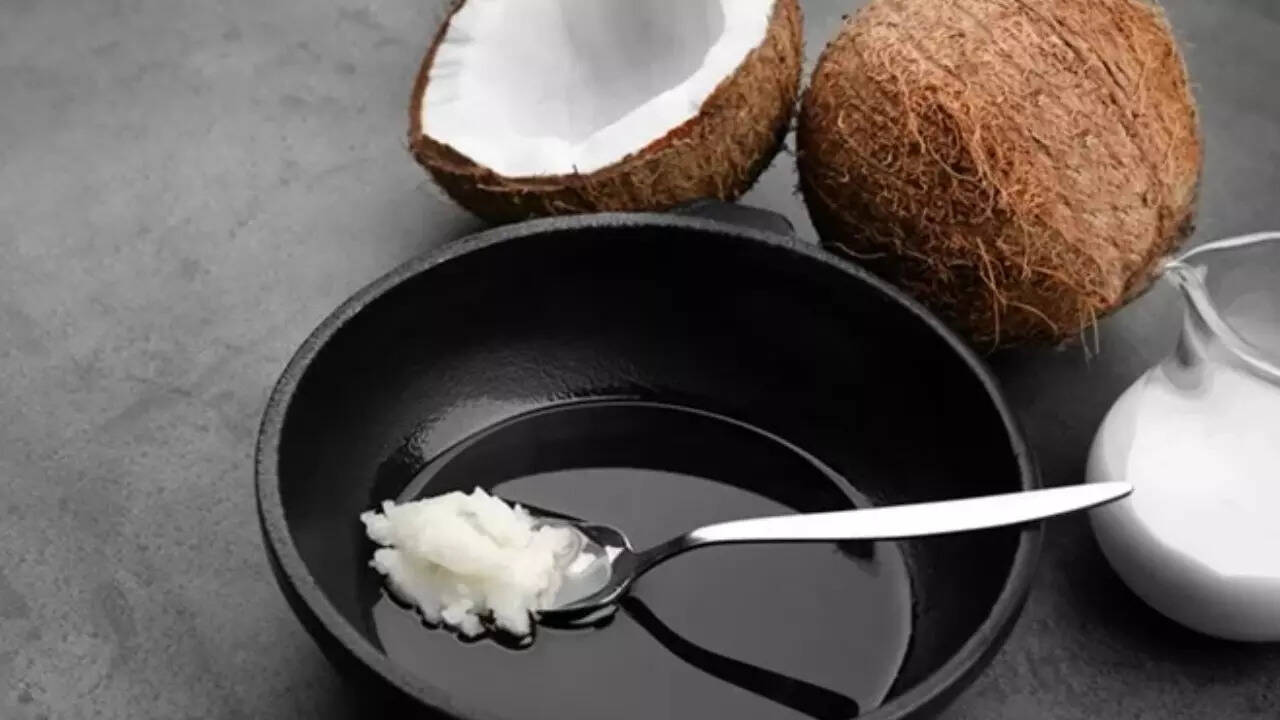
Coconut oil, on the other hand, has gained popularity thanks to its high content of medium-chain triglycerides (MCTs), which, as per studies, are believed to be more easily metabolized by the liver and used as a quick energy source. While that may sound promising, the issue lies in the type of fat that coconut oil is mostly made of: saturated fat. Now, the saturated fat in coconut oil is typically 80–90%, with much of it being lauric and myristic acid. These fats increase both HDL (‘good’) and LDL (‘bad’) cholesterol. However, rising LDL remains a key risk factor for heart disease.
Coconut Olive oil (4)
A 2020 meta-analysis found that coconut oil raised LDL cholesterol levels more than unsaturated fats and vegetable oils, without clear evidence of long-term cardiovascular benefit, with no evidence of anti-inflammatory or blood sugar benefits.On the other hand, randomized trials provide mixed results. One BMJ Open study showed coconut oil didn't significantly raise LDL compared to olive oil, and even boosted HDL. However, the long-term benefits of coconut oil remain unclear.The American Heart Association has strongly advised against the use of coconut oil as a heart-healthy alternative. So while coconut oil may be better than trans fats or butter in limited quantities, it doesn’t hold up against oils like EVOO when it comes to protecting your heart.

Why olive oil is a clear winner

Cholesterol control: A key advantage of olive oil lies in its fatty acid profile. EVOO is rich in monounsaturated fats, which lower LDL cholesterol and raise HDL cholesterol, striking a protective balance for the heart. EVOO also contains plant sterols and phenols that may interfere with cholesterol absorption and protect against oxidative damage. On the contrary, as per research, coconut oil elevates LDL significantly, by about 10 mg/dL or more, when compared to non-tropical oils.
Coconut Olive oil (1)
Stability under heat: When it comes to cooking, EVOO isn’t just heart-healthy, it’s heat-stable. Its phenolic compounds prevent degradation at high temperatures, making it a safer choice for sautéing and roasting than commonly believed. Meanwhile, coconut oil scores well in stability tests, but lacks the antioxidant protection EVOO offers, making it a poor choice in comparison to olive oil.Inflammation and beyond: Chronic inflammation is one of the silent drivers of heart disease. Olive oil’s antioxidants and oleocanthal reduce inflammatory markers, supporting cardiovascular and mental health over the long term. Coconut oil, on the other hand, does not provide these anti-inflammatory compounds and may worsen inflammation by raising LDL.

Which one to use in the kitchen?

In terms of smoke point and cooking stability, both oils have their place:EVOO has a moderate smoke point (~375°F) and is excellent for sautéing, roasting, and salad dressings. Its antioxidants actually make it quite stable for most home cooking methods. It is ideal for dressing, drizzling, or low-to-medium heat cooking. Additionally, as EVOO is rich in heart-supportive fats and antioxidants, it makes it one of the healthiest pantry staples.However, consuming too much olive oil, despite its health benefits, can lead to weight gain, digestive issues, and potentially exacerbate inflammation. Additionally, the high fat content can upset the digestive system, causing discomfort like diarrhea, bloating, and flatulence.Coconut Oil, with a higher smoke point (~450°F for refined versions), is better suited for high-heat cooking and baking. It also has a strong flavor, which can be a plus or a minus depending on your dish.However, consuming too much coconut oil, which is high in saturated fat, can lead to increased levels of LDL (bad) cholesterol, potentially raising the risk of heart disease and stroke. It's also high in calories, and excessive intake without dietary adjustments could contribute to weight gain.Coconut oil is great for adding flavor to tropical, Asian, or baking recipes. Choose virgin or unrefined versions for better benefits, and limit intake to occasional use to avoid excess saturated fat.
Coconut Olive oil (5)

The final verdict?

To sum it up in one line: use coconut oil sparingly, olive oil liberally.If heart health is your priority (as it should be), extra virgin olive oil should be your #1 choice. With decades of evidence supporting its ability to lower cholesterol, reduce inflammation, and decrease the risk of cardiovascular disease, EVOO is not just a kitchen staple; it's a medical recommendation.Coconut oil, on the other hand, while flavorful and trendy, should be seen more as an occasional indulgence than a daily go-to. If you enjoy the taste, use it on special occasions or maybe on weekend cooking. However, turning it into your daily cooking oil might not be in the best interest of your health.Disclaimer: This article is for informational purposes only and is not intended to replace professional medical advice, diagnosis, or treatment. Always consult a qualified healthcare provider before making changes to your diet or using any product for health purposes.

author
About the AuthorTOI Lifestyle Desk

The TOI Lifestyle Desk is a dynamic team of dedicated journalists who, with unwavering passion and commitment, sift through the pulse of the nation to curate a vibrant tapestry of lifestyle news for The Times of India readers. At the TOI Lifestyle Desk, we go beyond the obvious, delving into the extraordinary. Consider us your lifestyle companion, providing a daily dose of inspiration and information. Whether you're seeking the latest fashion trends, travel escapades, culinary delights, or wellness tips, the TOI Lifestyle Desk is your one-stop destination for an enriching lifestyle experience.

End of Article
Follow Us On Social Media