
- News
- lifestyle
- health-fitness
- health-news
- Black Turmeric with high curcumin: How it can improve longevity, prevent cancer
Black Turmeric with high curcumin: How it can improve longevity, prevent cancer
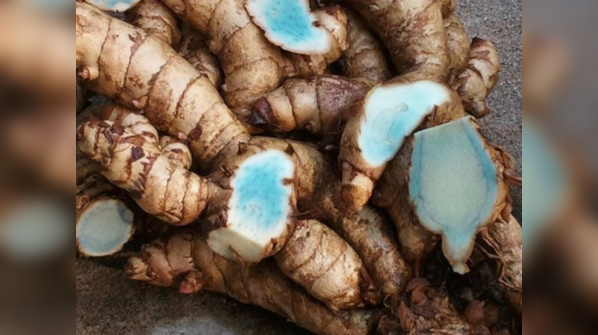
Power of black turmeric: A path to longevity and cancer prevention
Black turmeric, or Curcuma caesia as it is scientifically known, is the new superhero in the world of health and fitness. Not only is this colorful spice a visual feast, but it also has powerful health properties that have the potential to completely transform your wellbeing. Here are some of the intriguing benefits of black turmeric and see if its high curcumin content holds the secret to preventing cancer and living a longer, healthier life.
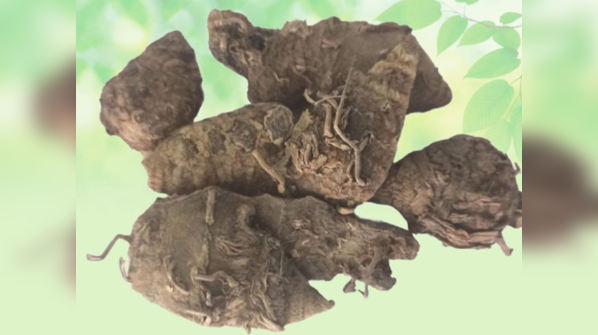
A natural anti-inflammatory
At the heart of Black Turmeric is curcumin, a potent compound with impressive anti-inflammatory properties. It's not just a spice that adds flavor to your dishes; it's a potential game-changer for pain relief, reducing inflammation, and even battling pesky bacteria on your skin. Imagine the possibilities for managing pain, maintaining radiant skin, and supporting your digestive system. But that's not all – Black Turmeric seems to have a secret weapon for defying aging and kickstarting your metabolism. Studies done on the topic, which can be found in the National Library of Medicine, suggest that it can activate proteins associated with healthy aging, hinting at its potential role in promoting longevity and metabolic well-being.

Black Turmeric's stand against cancer
The battle against cancer is one of the most critical frontiers in health research, and Black Turmeric is stepping up to the plate. Research indicates that the curcumin in turmeric, including its black variant, may hold significant health benefits in the fight against cancer cells. Lab studies reveal promising results, showcasing curcumin's potential to combat various cancers like lung, breast, prostate, and colon cancers. However, it's crucial to be cautious with our expectations. While lab studies show promise, the majority of evidence comes from research on animals or cells. Human studies are still on the horizon, and until then, it's wise to approach these findings with optimism but also a healthy dose of skepticism.
Read also: When should I NOT take painkillers?

How to add Black Turmeric into daily routine?
Now that we have uncovered the superhero potential of Black Turmeric, the next question is – how do you harness its powers? Fear not, as adding this spice into your life is easier than you might think. Add it to your drinks, whip up a savory dish, or create a health-boosting tonic by mixing it with apple cider vinegar and honey. The possibilities are endless!
Topically, Black Turmeric can be transformed into a paste to soothe wounds, skin irritations, and insect bites. If you are feeling adventurous, consider using it as a nutritional supplement, subtly enhancing the flavor of your favorite dishes.
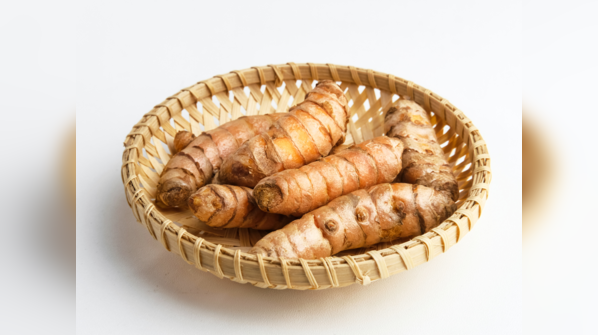
A word of caution
While the potential benefits of Black Turmeric are exciting, it's essential to approach its consumption with care. Before making significant dietary changes or introducing new supplements, especially if you have existing health conditions or are on medications, consult with a healthcare professional. High doses of curcumin, the magic compound in turmeric, may interact with certain medications, so it's better to be safe than sorry.
Read also: Eating dinner after 9pm may increase the risk of stroke by 28%
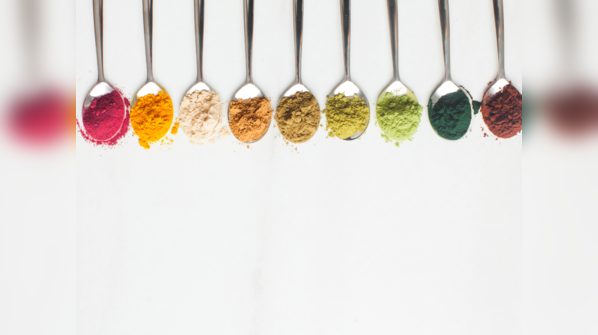
Side effects and considerations
Like any superhero, Black Turmeric has its vulnerabilities. While generally safe in culinary quantities, high doses may lead to side effects such as stomach upset, nausea, dizziness, and diarrhea. For those with specific health conditions like gallbladder problems, bleeding disorders, hormone-sensitive conditions, infertility, and liver disease, it's crucial to tread carefully. If you fall into these categories, it's advisable to use Black Turmeric cautiously and seek guidance from a healthcare professional.
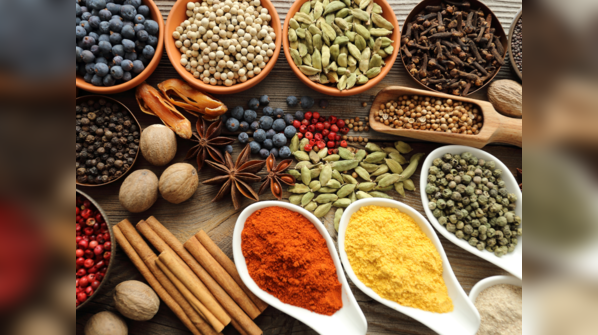
Benefits of herbs
Herbs offer various health benefits, including the prevention and management of conditions such as heart disease, cancer, and diabetes. They can help reduce blood clots, provide anti-inflammatory and anti-tumor properties, and lower cholesterol. For instance, garlic, linseed, fenugreek, and lemongrass have been shown to help lower cholesterol. Additionally, herbs are rich in antioxidants and other compounds that can boost the immune system, improve circulation, and enhance brain function and memory. Studies have also demonstrated that the polyphenols in herbs can combat diseases such as cancer, heart disease, Alzheimer's, and diabetes. Therefore, incorporating a variety of herbs into your diet can contribute to overall health and well-being.

Spices that benefit our health
Indian spices are highly valued in culinary traditions across the globe due to their unique flavors and alluring aromas. These fragrant gems are essential to both gastronomy and wellbeing because they enhance the sensory experience of food and offer numerous health advantages. Some of the commonly used Indian spices that have potential health benefits are:
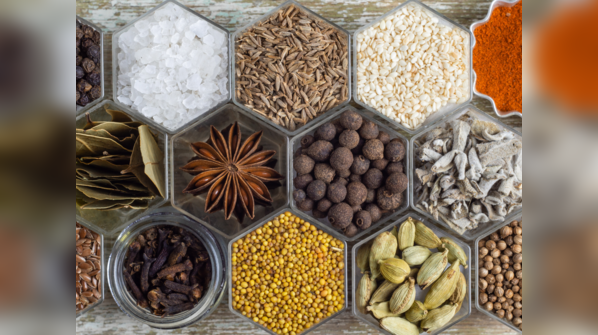
What are these spices?
1. Turmeric: It has anti-inflammatory properties and can help reduce inflammation, lower cholesterol levels, and improve blood pressure, all of which can help reduce the risk of heart disease. It is also known to improve brain function and prevent Alzheimer's and cancer.
2. Coriander: It may help lower blood sugar levels, blood pressure, and cholesterol levels.
3. Cardamom: It can help reduce inflammation, lower blood pressure, and improve heart health.
4. Cumin: It has potent anti-inflammatory properties that can help reduce chronic inflammation, which is a key driver of many chronic diseases, including cancer, heart disease, and diabetes.
5. Cinnamon: It has anti-inflammatory and antioxidant properties that may prevent the formation of free radicals that damage cells and also help to reduce cholesterol levels.

Takeaway message
Consume black turmeric in moderation as excessive intake may lead to adverse effects. Incorporate into recipes or consume as a supplement for potential health benefits. Avoid overconsumption as it may lead to digestive issues or allergic reactions. Consult a healthcare professional before using for medicinal purposes, especially if pregnant, nursing, or on medication. Store properly to prevent mold or spoilage, ensuring its efficacy when used.
Featured In lifestyle

