
- News
- lifestyle
- health-fitness
- health-news
- 5 life-threatening diseases linked to air pollution
5 life-threatening diseases linked to air pollution
5 life-threatening diseases linked to air pollution
What if the air we breathe to live shortens our lifespan? Air pollution is no longer an environmental concern, it has now become a health crisis and a major threat to vitality. According to 2019 data from the World Health Organisation, outdoor air pollution was estimated to cause 4.2 million premature deaths worldwide. WHO notes that this mortality is caused by the exposure of fine particulate matter. These are some of the life-threatening diseases that are linked to air pollution:

Ischaemic heart disease and stroke
WHO notes that in 2019, 68% of outdoor air pollution related premature deaths were due to ischaemic heart disease and stroke. A study in the Journal- Annals of Indian Academy of Neurology notes that air pollution is a significant contributor of cardiovascular diseases, including ischaemic stroke (IS), with substantial mortality and morbidity.
Worsened COPD symptoms
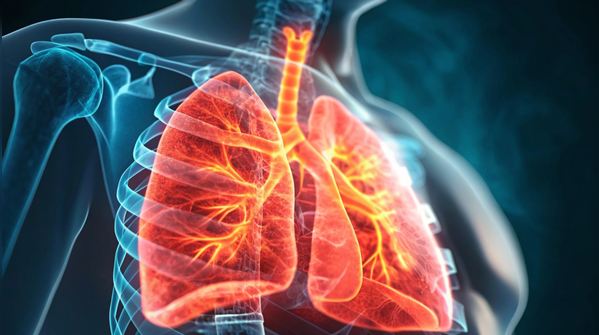
The American Lung Association notes, exposure to air pollution can make it even harder for people with chronic obstructive pulmonary disease (COPD) to breathe. Severe symptoms can lead to hospitalization and even death. WHO notes 14% of premature deaths in 2019 (globally) were due to chronic obstructive pulmonary disease.
Acute lower respiratory infections
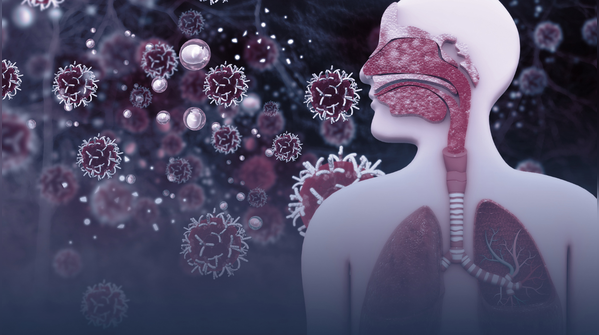
The American Lung Association, air pollution increases the risk of lung infections, especially in children. These infections affect the airways and lungs, and include pneumonia, bronchiolitis, acute bronchitis and lower respiratory viral infections. This condition also contributed to 14% of premature deaths in 2019, as per WHO data.

Lung cancer
A study in the British Journal of Cancer strongly suggests that airborne particulate matter (PM), the dust components of polluted air, is associated with increased incidence and mortality of lung cancer. The study notes “PM2.5 from various sources carries different toxic substances, such as sulfates, organic compounds, polycyclic aromatic hydrocarbons, and heavy metals, which are considered major carcinogens that increase lung cancer risk.”
WHO also notes that in 2019, 4% of premature deaths were due to lung cancers.

Low infant birth weight
Survey data from a study in PLoS Global Public Health showed mothers exposed to increased levels of PM2.5 had a 70% higher chance of delivering prematurely compared to those who weren’t exposed. The odds of giving birth to a baby with low birth weight rose by 40% for mothers who faced higher air pollution levels.
The American Lung Association associates low infant birth weight with infant mortality.
Featured In lifestyle

