
- News
- lifestyle
- health-fitness
- diet
- How to start a healthy intermittent diet for weight loss?
How to start a healthy intermittent diet for weight loss?

What is intermittent dieting?
Intermittent dieting is mainly a timed approach to eating throughout the day but in a small proportion. An individual should always prepare, working out beforehand about what they want to fast, and what type of fast plan they are willing to follow. The type of meal which suits them the best and the amount, should all be discussed in the first step so that the cycle should not be disturbed. However, the intermittent dieting chart does not specify which food one is consuming or which one to avoid, but a particular window or time should be marked for consumption. Intermittent dieting is beneficial for individuals interested in losing weight particularly.
(Image Credits: iStock)

How to start intermittent diet?
(Image Credits: iStock)

Pick the plan
One should always finalize the potential method of fasting for better results and health reasons. A plan in order should be prepared according to the individual’s health preferences and what food items they can stick to. There are three types of fasting plans i.e. periodic fasting, alternate-day fasting, and time-restricted fasting. An individual should stick with one fasting method for at least a month, before switching to another method.
(Image Credits: iStock)

Identify your goal
(Image Credits: iStock)
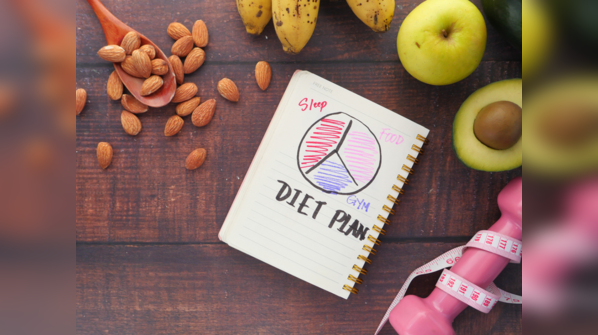
Plan your food and recipes
One should commit to their meal plan which will vary from individual to individual depending upon their goal and method. If an individual is interested in losing weight then the calorie intake will matter and accordingly one should opt for quick meals snacks, or diet recipes. However, if an individual is interested in gaining weight, then a fledged meal plan should be considered.
(Image Credits: iStock)

Figure out the calorie intake
Intermittent fasting consists of no inherent dietary restrictions, however, it does not mean that in one meal, calories will not be considered. There are several tools available for individuals interested in losing weight and accordingly, they can set their calorie needs with the inclusion of the calorie needs. Similarly, to gain weight or maintain weight, the amount of calories should be maintained and can be decided upon. However, people who are willing to gain weight should consume more calories.

Tips to maintain a healthy weight process
(Image Credits: iStock)

Cut carbs
(Image Credits: iStock)

Control emotional eating
(Image Credits: iStock)

Stay motivated
(Image Credits: iStock)
Featured In lifestyle

MORE FROM ETIMES
life & style