- News
- lifestyle
- health-fitness
- diet
- Can diabetics safely enjoy persimmons? Find out here
Trending

Persimmons can be a healthy addition to a diabetes-friendly diet when consumed in moderation. Their moderate glycemic index, high fiber, and antioxidant content contribute to blood sugar management and overall health. Pairing with protein or healthy fats and monitoring portion sizes are crucial for preventing blood sugar spikes. Choosing firmer Fuyu varieties over softer Hachiya types is also recommended.
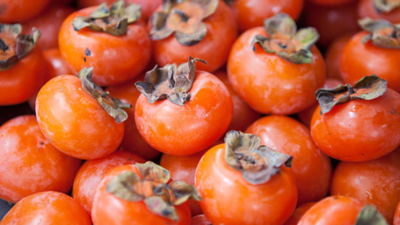
Why Persimmons can be great for people with diabetes
Risks and precautions
Smart ways to eat persimmons on a diabetes-friendly diet
- Pair with protein or healthy fat: Slice a persimmon and enjoy with nuts, cheese, or plain Greek yogurt.
- Add to fiber-rich meals: Toss into spinach salads, veggie smoothies, or top oatmeal with a few slices.
- Watch total carbs: Factor persimmons into your daily carb count to stay on track.
- Monitor blood sugar: Check glucose before and two hours after eating to see how your body responds.

About the Author
TOI Lifestyle DeskEnd of Article
Follow Us On Social Media










Photostories
Tired of too many ads?go ad free now
lifestyle videos
Featured In Lifestyle

Tired of too many ads?go ad free now
Hot on the Web
Google Gemini Saree TrendHeart AttackPrediabetes SymptomsFatty Liver Detox TipsColon CancerPriya SachdevMahieka SharmaNeon Tetra FishThings That Attract SnakesLongevityHigh Cholesterol FoodsIndian FoodsBeautiful Freshwater Aquarium FishUrine Serious Diseases CluesLate Breakfast RiskFatty Liver SymptomsDal Soak TipsPest Control TipsMary KirkBlind SnakesYogi AdityanathFarah KhanRaj KundraHeart HealthElephant Safari National ParkBigg Boss 19Mayur VakaniNafisa AliThe Bengal Files Box Office CollectionBaaghi 4 Box Office CollectionBananas With Black PepperPink Guava Vs White GuavaStop Scrolling Reels In ToiletOrange Juice For Heart HealthBaking Soda Water For HealthTrick To Improve SleepSuchir BalajiNutrient Deficiencies In WomenApple Watch Tracks High Blood PressureFish Oil SupplementsFood To Avoid In Breakfast
Trending Topics
Latest MoviesBollywood MoviesHollywood MoviesTamil Movies 2025Telugu Movies 2025Malayalam Movies 2025Kannada Movies 2025Marathi Movies 2025Bengali Movies 2025Top Rated Movies 2025Best Hindi MoviesBest English MoviesBest Telugu MoviesBest Tamil MoviesBest Malayalam MoviesBest Kannada MoviesBest Bengali MoviesUpcoming Hindi MoviesBest Movies Of All TimeBest Hindi Movies of All TimeLatest English MoviesLatest Malayalam MoviesEnglish TV NewsTamil TV NewsTelugu TV NewsMalayalam TV NewsKannada TV NewsMovie ReviewsBhojpuri Cinema NewsGujarati Cinema News
Popular Categories
Viral NewsK Pop NewsWeb Series NewsAnime NewsUpcoming English MoviesUpcoming Tamil MoviesUpcoming Telugu MoviesUpcoming Malayalam MoviesUpcoming Kannada MoviesFashion TipsTravel NewsEntertainment NewsBollywood NewsTollywood NewsKollywood NewsMollywood NewsFood NewsLatest Hindi MoviesLatest Tamil MoviesParenting TipsHome RemediesWeight LossBeauty TipsParenting TipsHindi VideosHindi Video SongsBhojpuri Music VideosLatest Telugu MoviesBhojpuri Music VideoHindi TV News
Latest News
Karnataka govt initiates discussion to include Kuruba subsect in ST listCongress sets up election committee in Bihar to get battle ready for pollsNCERT rolls out free online courses for Class 11th and 12th board exam preparation on SWAYAM: Check details hereIndia 'torturing' Pakistan through match referee: Ex-player uses distasteful language for Suryakumar YadavIIM Ahmedabad vs IIM Bangalore: Which institute offers better placements and salaries?Luxury sting: Why is the Stag Beetle a collector's dream, and sells for lakhs across the globeJanhvi Kapoor proves Barbie went desi in this blush pink Manish Malhotra lehenga“Who is the real bot here?” Elon Musk’s Grok takes a hilarious dig at X handle with an unusual usernameCelebrating 250 years of heritage: The metre-gauge mosaic that shaped India‘Even though his ideas were abhorrent to me…’: ‘Freakier Friday’Jamie Lee Curtis addresses Charlie Kirk’s demiseSuchir Balaji’s mother says he couldn’t have pulled trigger himself, flags injuries and toxicology concerns as OpenAI CEO Sam Altman calls death suicideWhen Brad Pitt let his neighbour live in his home: The actor let his 105 year old neighbour stay there rent free - Deets insideDulquer Salmaan and Kalyani Priyadarshan’s ‘Lokah: Chapter 1-Chandra’ beats Mohanlal’s L2: Empuraan as the second highest Malayalam film in Hindi4 types of people who should avoid eating guava; know its side effects and risksWhen Raj Kapoor dreamed of launching his cousin in ‘Henna’, destiny had other plans; the actress once starred opposite Raj BabbarCelebrating 250 years of heritage: The timeless splendor of Charbagh station"Recruitment test is continuing as scheduled across the country," says SSC amidst speculation about exam cancellationProteins that block prostate cancer treatment and what patients need to know