
Worm or snake? Woman finds a crawly inside a cabbage: FSSAI's safety guidelines on how to clean veggies and fruits
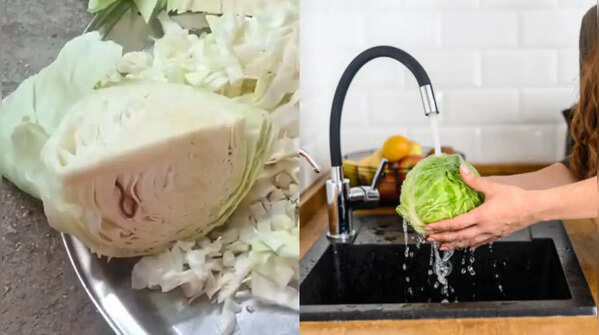
Importance of cleaning fruits and veggies
Cabbage is one of the nutritious leafy vegetables that belong to the cruciferous family and is widely used in cuisines around the world for its versatility and mild, slightly sweet flavor. It is rich in nutrients like vitamin C, vitamin K, fiber, and antioxidants, making it beneficial for digestion, immunity, and overall health. But, it is also prone to worms or microbial contamination. According to a recent report by Dainik Bhaskar, a woman in Madhya Pradesh found a tiny snake/worm inside the vegetable. According to experts, this cruciferous vegetable is highly prone to such contamination and hence consumers should be extra careful with such veggies.
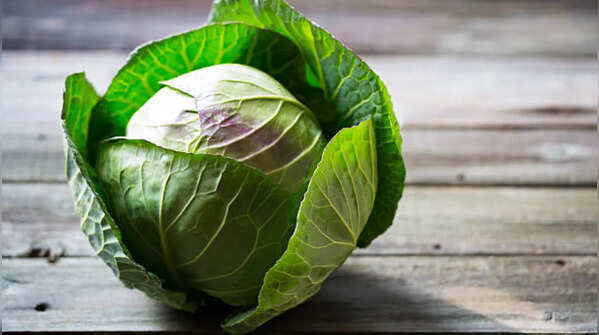
Why cabbage is prone to worms
Experts feel that the structure of cabbage makes it an easy target. It grows in tight, layered leaves that curl inward to form a dense head. And these layers become the breeding ground for insects and worms to lay eggs and larvae. Also, cabbage naturally produces compounds that attract certain pests—especially cabbage worms (larvae of moths and butterflies) and hence it is important to take extra care of such vegetables and other fruits and veggies too. Scroll down to read the Food Safety and Standards Authority of India's (FSSAI) guidelines for fruits and vegetables. According to reports, the cabbage plant produces a compound called glucosinolates, and while this chemical deters many pests, certain insects—like the cabbage white butterfly—have evolved to tolerate it, and in fact, they prefer these plants and lay eggs on them. When the eggs hatch, they become caterpillars (the “worms” you see), such as the cabbage worm. These larvae feed aggressively on the leaves because cabbage is a rich, soft, leafy food source, and that is one of the reasons that cabbage is prone to worms.

Wash you hands
It suggests washing hands before and after coming in contact with fruits, vegetables and other packed items.

Scrubbing them right
It is also necessary to wash or scrub all fruits, vegetables and packed food under running water prior using it for any purpose. And to make it easy, always label them ‘pre-washed’ to avoid confusion.
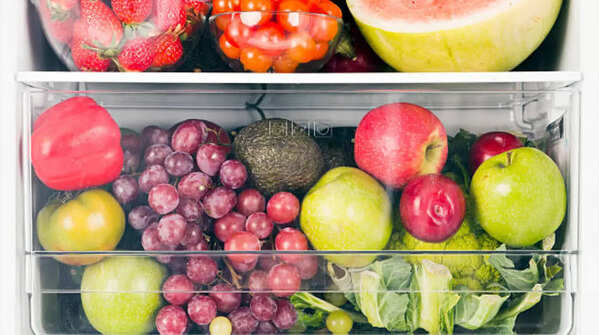
Cold mess
FSSAI also suggess to refrigerate the chopped, peeled or cooked item as soon as possible or within 2 hours. Also, use a refrigerator thermometer to ensure the temperature stays at 40°F or below.
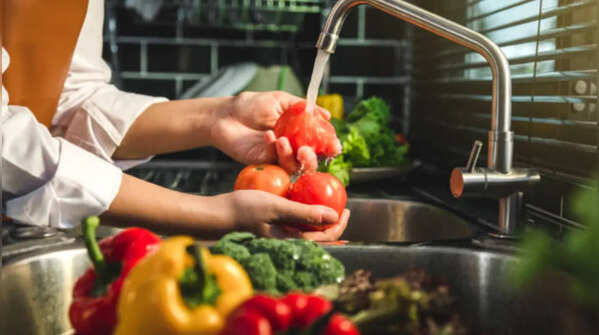
Wash thoroughly
FSSAI's guidelines also stresses on washing the cutting board, countertops and utensils with hot soapy water, before and after use.
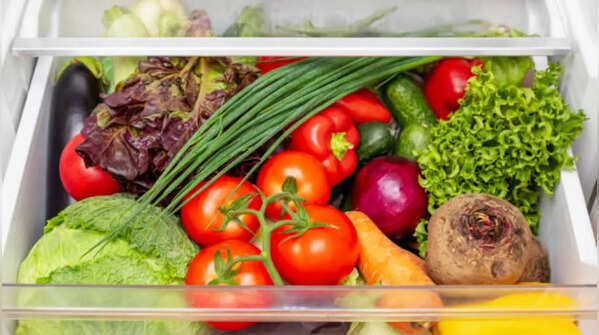
Store fruits and veggies separately
FSSAI also suggests store fruits and vegetables away from and not next to below raw meat, poultry and seafood. These items can drip juices that may have germs. It suggests using a separate cutting board for fruits and veggies and meats, poultry and seafood.
Images Courtesy: istock
Featured In Food

MORE FROM ETIMES
life & style