
Why you must eat chickpeas twice a week
Why you must eat chickpeas twice a week
There’s no denying that chickpeas are one of the most extensively consumed plant-based forms of natural protein. Much like its nutritional value, chickpeas are also delicious as well as versatile, which makes it a perfect addition to the diet. However, how frequently you should include it in the diet can be confusing for some people. Well, if you too find it confusing, then here’s all you need to know about chickpeas and how to include them in your diet.
Why chickpeas?
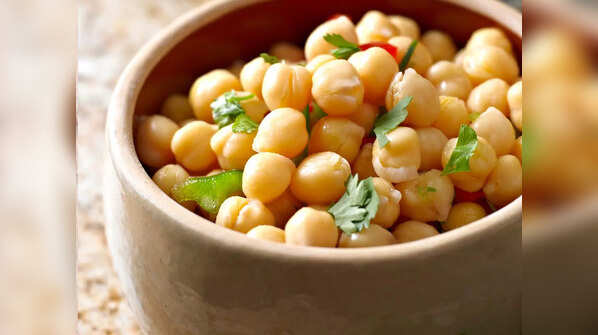
Adding chickpeas to your diet twice a week is an excellent way to boost overall health and well-being. This is due to its high nutritional value, as it is rich in plant-based protein, fiber, and essential nutrients. Moreover, including chickpeas in the diet twice a week can also help in improving digestion, regulating blood sugar, and aiding in weight management. Their high fiber content helps control hunger and promotes gut health, while the antioxidants may protect the body from oxidative stress. Here’s why adding chickpeas to your meals regularly is a smart choice:
Muscle and Tissue Repair
With around 15 grams of protein per cup, chickpeas can support muscle growth, repair tissues, and provide long-lasting energy. Protein is essential for building and maintaining muscle mass, which is particularly important as we age. In fact, a study published in the American Journal of Clinical Nutrition found that plant-based proteins, like those from legumes, are linked to lower risks of heart disease and other chronic illnesses compared to animal-based proteins.
Digestive Health
The high fiber content in chickpeas promotes digestive health by supporting regular bowel movements and preventing constipation. Fiber also helps in feeding the good bacteria in your gut, leading to a healthier microbiome, which plays a crucial role in overall health.According to a study published in The Journal of Nutrition, it was found that legumes like chickpeas can help improve gut health by increasing beneficial gut bacteria, which in turn supports the immune system and reduces inflammation.
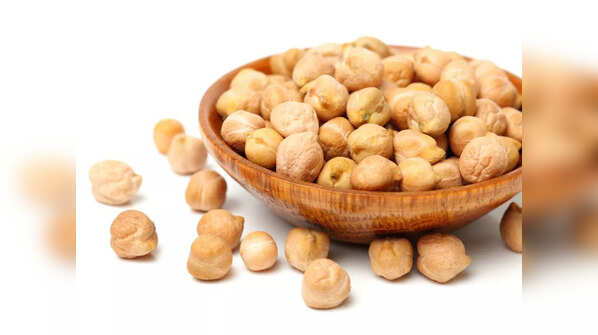
Heart Health
Chickpeas are rich in fiber, potassium, and healthy fats, which contribute to improved cardiovascular health. Fiber helps lower LDL (bad) cholesterol levels, while potassium helps maintain healthy blood pressure. The antioxidants in chickpeas also help reduce inflammation in the body, which is a major risk factor for heart disease.
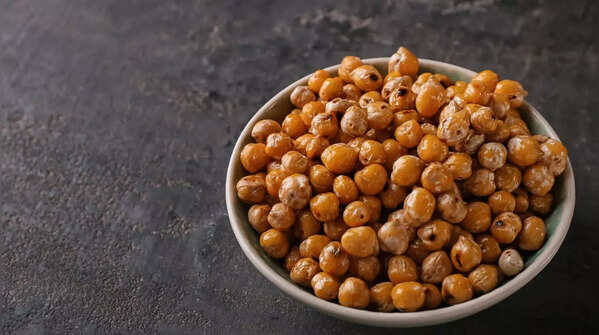
Weight Management
Chickpeas are rich in both protein and fiber, which promote feelings of fullness and reduce overall calorie intake. Including chickpeas in your meals can help control hunger and prevent overeating, which is beneficial for weight management. Their high fiber content also supports healthy digestion, aiding in the removal of waste from the body.
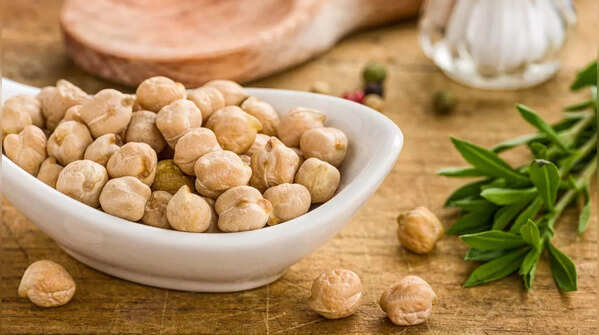
Nutrients and Antioxidants
Chickpeas are packed with essential vitamins and minerals, including folate, iron, magnesium, zinc, and vitamin B6. These nutrients play vital roles in energy production, immune function, and red blood cell formation. The antioxidants in chickpeas also protect the body from oxidative stress, which contributes to aging and the development of chronic diseases.
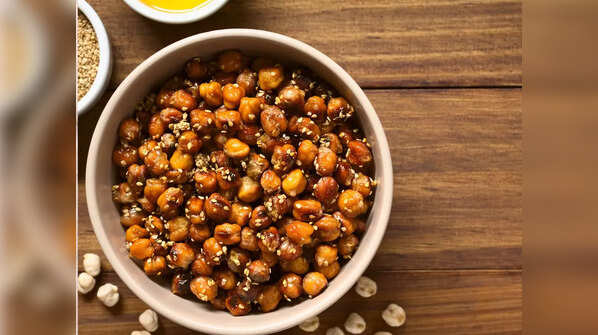
Easy to include in meals
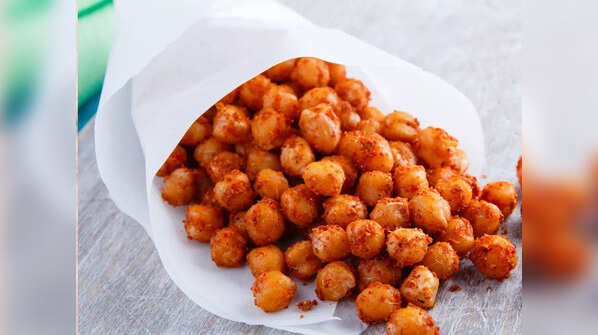
Chickpeas are versatile and easy to add into a variety of dishes. You can enjoy them in salads, soups, stews, or roasted as a crunchy snack. Chickpea flour can also be used in baking or to make healthy alternatives to traditional fried snacks. By eating chickpeas twice a week, you can easily enjoy their health benefits without getting bored of the same meals.
Featured In Food

MORE FROM ETIMES
life & style