
Why should one drink clove tea after meals

Why should one drink clove tea after meals
There’s a quiet ritual in many kitchens: a single clove tapped between molars after a meal or a small cup of clove tea taken slow, like a punctuation mark to dinner. It’s a habit shaped as much by instinct as by generations of lived experience around food and digestion. Beyond the spice’s warm, sweet-peppery perfume lies a cluster of properties, antimicrobial, anti-inflammatory and aromatic, that help explain why people reach for cloves when digestion, breath or blood-sugar control are on their minds. Scroll down to read more.
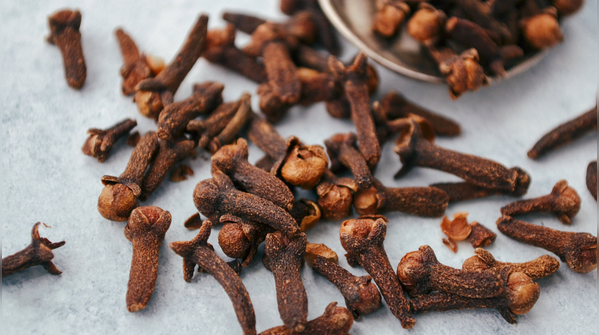
About clove and its benefits
Cloves are the dried flower buds of Syzygium aromaticum. Their most active compound, eugenol, is a powerful phenolic molecule credited with antioxidant, antimicrobial and anti-inflammatory effects. In practical terms, that matters: a clove chewed after food can mask and reduce odours, and compounds in the bud may inhibit growth of some oral and gastric microbes. Small studies have also suggested cloves, or concentrated clove extracts, can modestly influence post-meal blood glucose, though evidence is preliminary and not a substitute for medical treatment. Taken together, the spice offers a plausible, low-tech way to soothe mild post-prandial discomfort, support oral freshness and add an antioxidant boost to the diet. 
Note: Eugenol is biologically active and not entirely benign in very high doses. People with liver disease, bleeding disorders, or those taking blood thinners or certain medications should check with a clinician before using concentrated clove extracts or large, regular doses. Moderation is the sensible rule. 
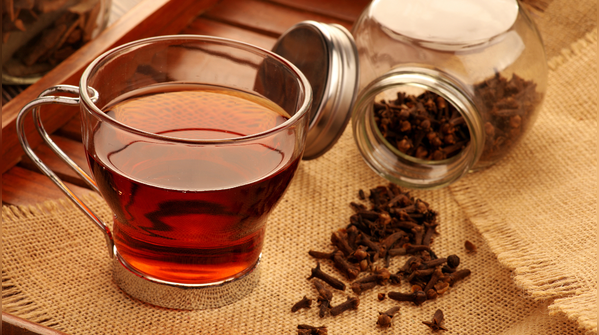
How to make clove tea
Clove tea is refreshingly simple to prepare and easy to tailor to your taste. Here’s a method you can rely on:
1. Bring 300-400 ml (1–1½ cups) of water to a rolling boil.
2. Add 4–6 whole cloves (or 1 tsp crushed cloves) to the pot.
Optional: Add a small cinnamon stick or a thin slice of fresh ginger for complexity.
3. Reduce heat and simmer 5–10 minutes for a stronger infusion; 3–5 minutes for a gentler cup.
4. Turn off the heat, cover, and steep another 2 minutes. Strain into a cup. Sweeten lightly with honey if you like; squeeze of lemon adds brightness.
5. Sip slowly after a meal - the warm liquid helps gastric motility and the volatile oils release a refreshing aroma.
As a quick alternative, chewing a single whole clove releases eugenol directly and freshens breath instantly. 
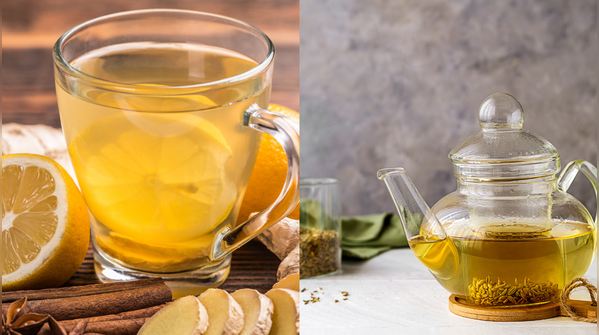
If clove tea isn’t for you: 2 simple alternatives
Fennel seeds (saunf). A traditional post-meal habit across South Asia, chewing ½-1 tsp of roasted fennel seeds or sipping fennel infusion eases bloating and helps gas pass. Fennel contains anethole and other compounds that may relax gut smooth muscle and freshen breath, an easy, food-friendly alternative. 
Ginger tea
If your complaint after eating is nausea, fullness or sluggish digestion, ginger is one of the most consistently studied culinary remedies. A small cup of ginger infusion (3–5 thin slices simmered 5–10 minutes) can speed gastric emptying, reduce nausea and calm intestinal spasm. It’s warming, brisk and pairs well with a single clove if you miss that flavour. 
Clove tea
Clove tea is not a cure-all, but as a ritual and mild functional beverage it scores high: pleasant, low-calorie, easily prepared, and supported by chemical and small clinical evidence for digestive, antimicrobial and metabolic effects. Keep portions modest, be mindful of drug interactions or liver conditions, and treat it as a tasteful companion to healthy eating rather than medical therapy.
Featured In Food

MORE FROM ETIMES
life & style