
Why did PM Narendra Modi praise mango farmers and must-try 15 types of Indian mangoes
Role of farmers in making Indian mangoes global
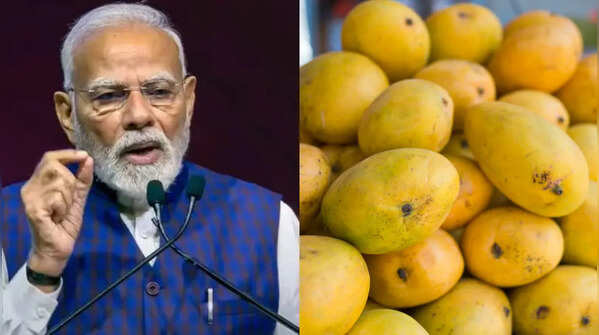
The summer months are incomplete without the magic and goodness of the King of Fruits, aka Mangoes. During the 134th episode of Mann Ki Baat on May 31, Prime Minister Narendra Modi also noted the summer fruit and said, "As soon as summer arrives, another topic of discussion starts in every household: and that is mangoes. Mangoes are a common topic of discussion. There's hardly a home in India where mangoes are not talked about in summer." In his message he also praised the farmers, who work day in and day out to grow mangoes. Scroll down to read the details.
What did he say about farmers?
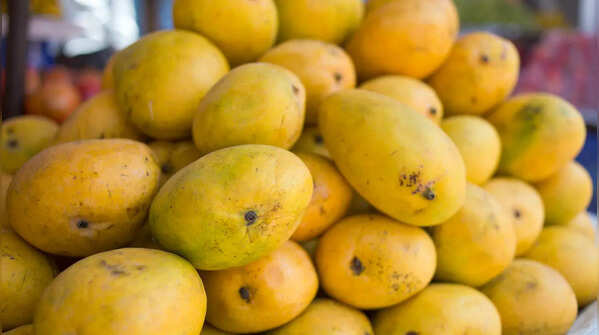
In praise of farmers, he said, "Today, through 'Mann Ki Baat', I will praise my farmer brothers and sisters involved in mango cultivation. You are not just ordinary farmers… you are very special for the agricultural economy of the country. May you keep shining like this." According to him, this journey of the mango is now reaching the global market from the village and the credit for it goes to all the farmers.
Alphonso
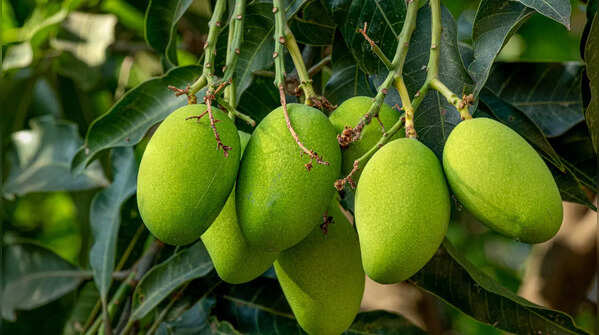
Also known as the “King of Mangoes,” the Alphonso mango from Maharashtra is grown in Ratnagiri, Sindhudurg, Raigad, and nearby Konkan regions. It is known for its rich saffron-colored pulp, creamy texture, intense sweetness, and pleasant aroma. It has very low fiber, making it perfect for desserts and milkshakes.
Zardalu Mango
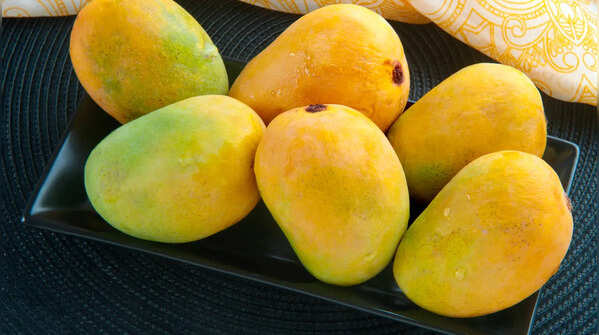
This mango is from Bihar’s Bhagalpur region and is known for its exceptional fragrance and delicious taste. It has a beautiful yellow color and a unique balance of sweetness and tanginess.
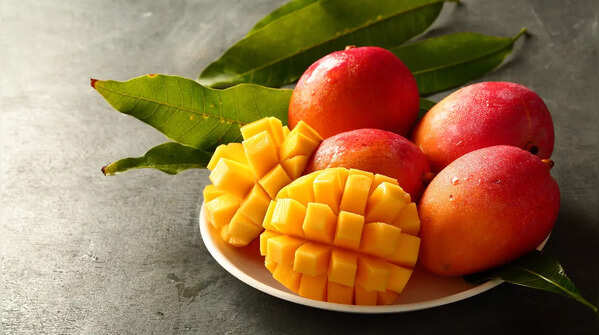
Hapus
Native to Maharashtra, this variety is now also grown in Gujarat and some parts of Karnataka. If reports are to be believed, this is the most expensive variety that is also exported to other parts of the world.
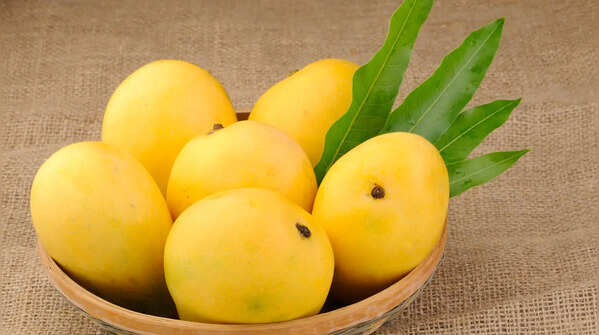
Kesar
It is also one of the most famous varieties native to Ahmedabad and Gujarat. It was first cultivated by the Nawabs of Junagarh in 1931 and was named Kesar in 1934.
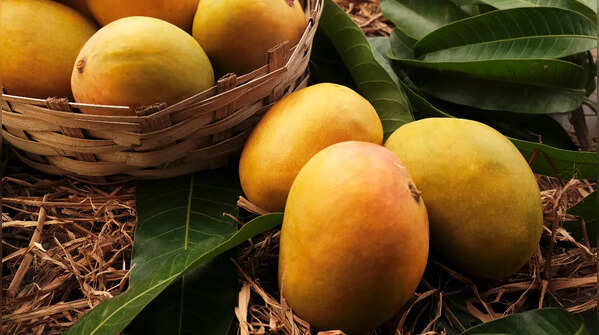
Dussehri
It is native to North India and is commonly available in June. It first appeared in the gardens of the Nawab of Lucknow.
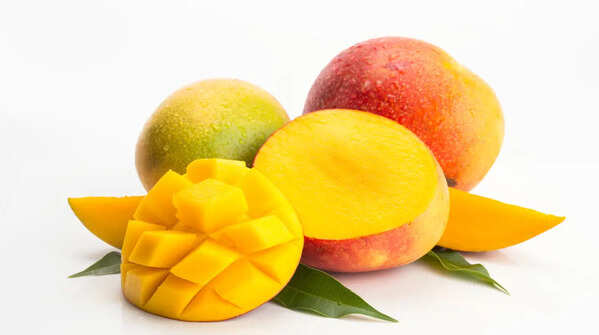
Langra
This variety is famous in Varanasi and according to food historians, it was first cultivated in the farmlands of a man without legs. It is available from July to August.
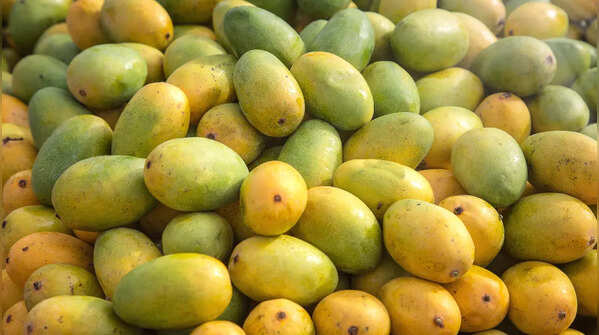
Chausa
Popular in North India and Bihar, this variety was introduced by Sher Shah Suri during his reign in the sixteenth century. Named after a town in Bihar, this variety is characterised by incredibly sweet pulp and bright yellow skin.
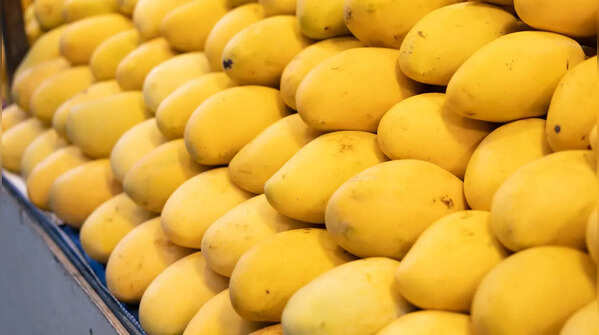
Neelam
It is grown across India and is abundantly available in June. With an orange skin, it's smaller than other varieties of mangoes.
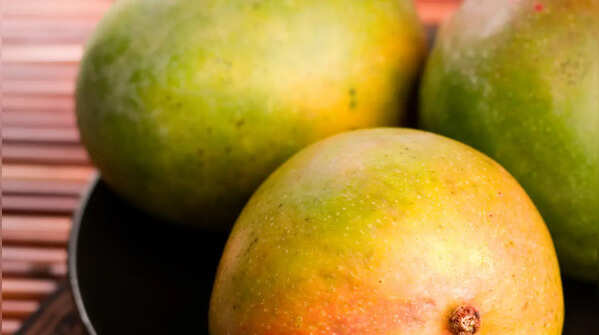
Totapuri
Mild in taste and greenish in colour, this variety of mango looks like a parrot's beak. Hailing from Karnataka, Andhra Pradesh and Telangana, the flesh of this variety is not as sweet as others but is great for salads and pickles.
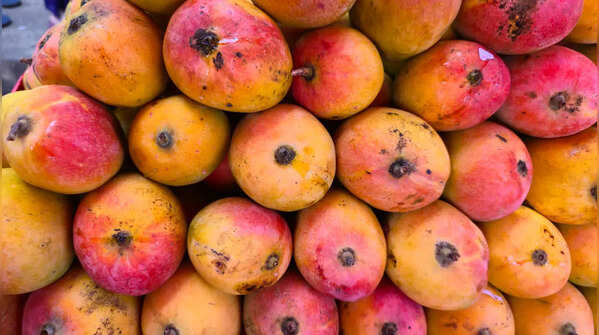
Banganapalli
Significantly larger than their Alphonso counterparts, this mango variety is produced in Banaganapalle of Kurnool district, Andhra Pradesh. With its pleasant aroma, they are oval in shape, with smooth skin and are around 14 cm in length.
Malgova
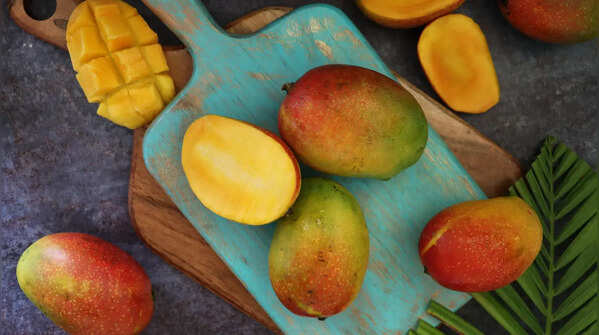
Also known as Malgoa, this one is green in color with shades of yellow. It is roundish-oblique in shape, the pulp is light yellow, and it is mostly available in May and June.
Suvarnarekha
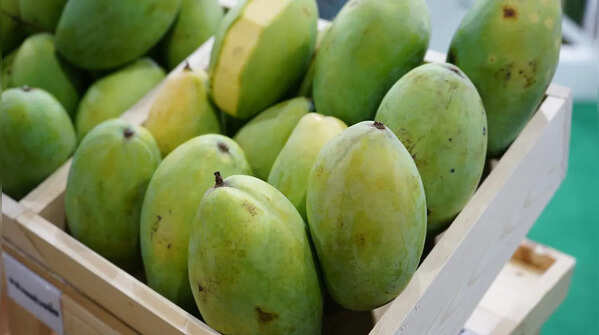
The name "Suvarnarekha" means "golden streak," referring to the distinctive golden-yellow skin with a reddish blush that develops as the fruit ripens; it is popular in the states of Andhra Pradesh, Odisha, and West Bengal.
Himsagar
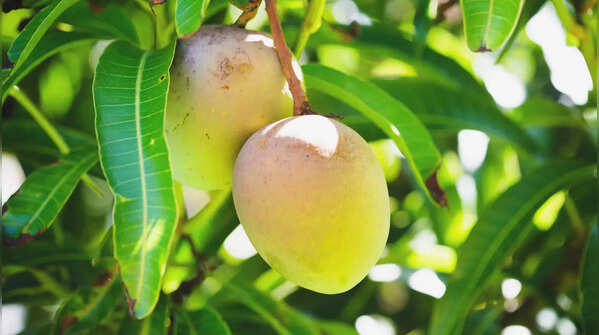
Characterised by a sweet aroma, this variety is the specialty of West Bengal and Orissa. This medium-sized variety weighs between 250-350 grams and has creamy flesh that is good for making desserts and shakes.
Featured In Food

