
Trending
What makes ‘Paan’ a favourite of Indian food culture?
1/9
History of Paan
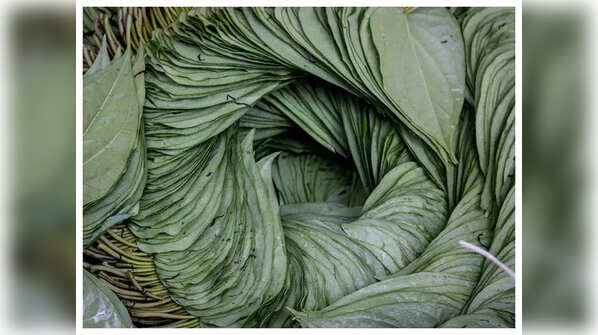
Paan has originated from the Sanskrit word ‘Parna’ which means ‘leaf’. Also called ‘Betel Leaf', it has a history of 5000 years as it has not only ruled the Indian food culture but also travelled to the Pacific countries. From Indian mythology to Ayurveda, it can be found everywhere with its medicinal values. Let us explore more about its existence in Indian food culture.
2/9
An inseparable part of Indian culinary tradition and culture
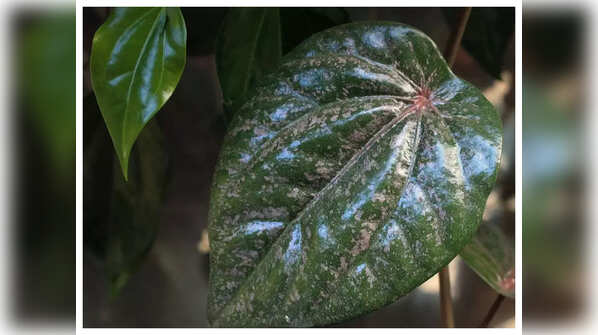
Chewing betel leaves is an old tradition that is even mentioned in Ramayana. In the Ayodhya Kand Lord Rama has been portrayed spending leisure time chewing betel leaves to control hunger.
3/9
As a part of traditional rituals
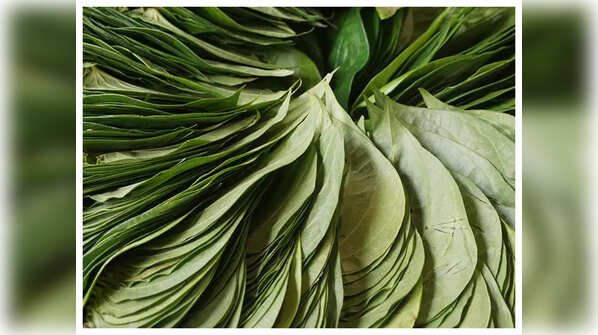
Whether it's North or South, these green leaves are an inseparable part of auspicious occasions. In Mysore, betel leaves are offered as a gift on special occasions, as a sign of good fortune. In Assam, it is offered right after the meal, as a sign of respect to the visiting guests. From the medical science perspective, this act is considered good for the digestive system, as the leaves help digest food easily. In North, festivals like Durga Puja and Diwali, are incomplete without betel leaves, that are used to embellish Kalash (metallic or earthen pot) while performing various religious rites. It is believed that adding leaves to water purifies it.
4/9
Token of love and appreciation
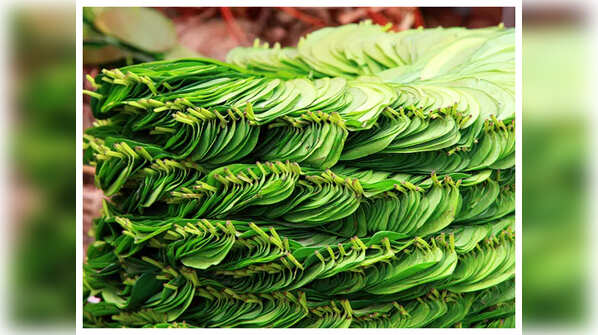
Goddess Sita, gave a garland of betel leaves to Hanuman when he reached Lanka. It was given as a sign of love, delight and appreciation to him by Sita. In North India, wedding rituals involve a combination of betel leaf and areca nuts, which symbolizes strong bond and loyalty in a relationship.
5/9
What does Ayurveda say?
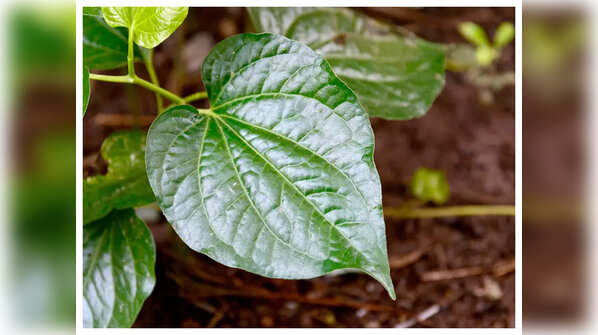
Ayurveda considers betel as a powerful means of controlling various health issues. It is known for curing diseases caused by air and bile. Health experts believe that betel leaf juice was earlier prescribed as a remedy for infected ears. It is also used as an antiseptic, digestive aid, and mouth freshener. In early days, it was also used to make lips lovely by women, as it gives natural red colour.

6/9
Is there any harmful effect of chewing paan?
According to IARC (International Agency for Research on Cancer) and WHO (World Health Organisation), regular consumption of paan with areca nuts and tobacco can lead to oral cancer. Paan alone is harmless and rather healthy.
7/9
Types of paan
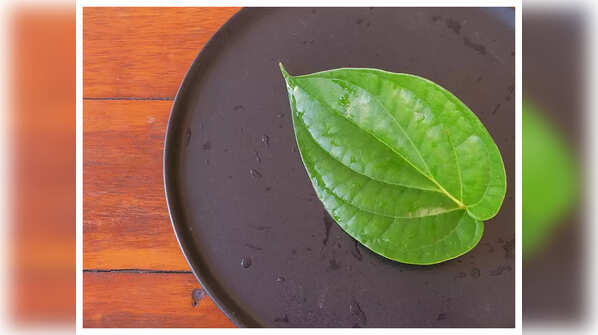
While we all know about the very famous Banarasi Paan, there are many more varieties available that are equally tasty. The list includes Sada Paan, Meetha Paan, Silver Paan, Fire Paan, Maghai Paan, Rasmalai Paan, Chocolate Paan etc.
8/9
The changing face of paan
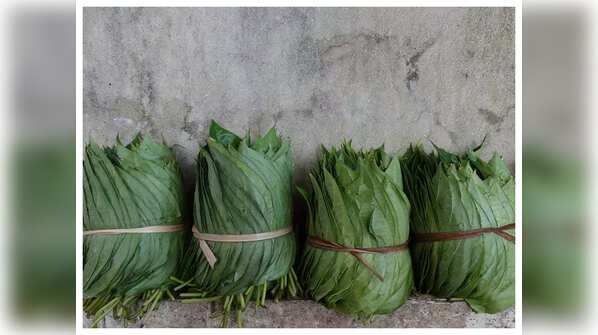
Traditionally, paan was never a fancy food item that people celebrated. Thanks to social media world and people who have explored few faces of paan, today, it is considered as one exotic food item that is sold in the well-decorated studio and at weddings, you can find an elaborate counter with experts displaying various styles of paan.

9/9
Verdict
With time paan has changed its face, but the medicinal and cultural values associated with it are still strong and will never fade out.
Follow Us On Social Media
Food videos
Featured In Food


Hot on the Web
Salman KhanVishalAjith KumarPriya KapurCM VijayRanveer SinghFart WalkBlast ReviewMaya JamaBrown TrailerImitiaz AliArun GovilSushmita SenDrishyam 3 Box Office CollectionMahima ChaudharyDhurandhar Television PremiereSai PallaviRakhi SawantChand Mera Dil Box Office CollectionKattalan ReviewAishwarya Rai BachchanKaruppu Box Office CollectionSonakshi SinhaDeool Band 2 Box Office CollectionGuru Purnima 2026Neeraj Chopra HouseBlast ReviewDhurandhar 2 Box Office CollectionBlast Box Office CollectionHoroscope TodayMahmud Sadis BubaParveen ShaikhUS Powerball LotteryGemini AI Prompts For EidOla Compensation CaseINS KolkataNyt ConnectionsOperation Sindoor 2.0Jellyfish That Never DiesBlue Origin Rocket ExplodingDelivery Firm Refund DeniedCaptions For Instagram Posts
Trending Topics
Latest MoviesBollywood MoviesHollywood MoviesTamil Movies 2026Telugu Movies 2026Malayalam Movies 2026Kannada MoviesMarathi MoviesBengali Movies 2026Top Rated Movies 2026Best Hindi MoviesBest English MoviesBest Telugu MoviesBest Tamil MoviesBest Malayalam MoviesBest Kannada MoviesBest Bengali MoviesUpcoming Hindi MoviesBest Movies Of All TimeBest Hindi Movies of All TimeLatest English MoviesLatest Malayalam MoviesEnglish TV NewsTamil TV NewsTelugu TV NewsMalayalam TV NewsKannada TV NewsMovie ReviewsBhojpuri Cinema NewsGujarati Cinema News
Popular Categories
Viral NewsK Pop NewsWeb Series NewsAnime NewsUpcoming English MoviesUpcoming Tamil MoviesUpcoming Telugu MoviesUpcoming Malayalam MoviesUpcoming Kannada MoviesFashion TipsTravel NewsEntertainment NewsBollywood NewsTollywood NewsKollywood NewsMollywood NewsFood NewsLatest Hindi MoviesLatest Tamil MoviesParenting TipsHome RemediesWeight LossBeauty TipsParenting TipsHindi VideosHindi Video SongsBhojpuri Music VideosLatest Telugu MoviesBhojpuri Music VideoHindi TV News
Latest News
Hazaribag man drowns while fishing in lake"Behen Darr Gayi!": Fans relive ‘Bhagam Bhag’ era after watching Akshay Kumar's 'Bhooth Bangla' trailerMBOSE HSLC result 2026 to release tomorrow: Check details hereIran war risk: JPMorgan CEO Jamie Dimon warns of oil shocks, sticky inflation and higher interest ratesMake your clutch last longer with these easy driving tips“Three-against-one situation”: El Rubius opens up on being “targeted” in MrBeast’s viral $1M challengeBihar BTSC lab assistant notification released for 1091 posts at btsc.bihar.gov.in; apply hereIPL craze costs techie Rs 1.46 lakh in fake RCB vs CSK ticket scamRaising “robot-proof” kids: Why creativity and curiosity matter more than everInside ‘Satguru Sharan’: Exploring Saif Ali Khan and Kareena Kapoor Khan’s Rs 100 crore Bandra homeHow selling Alaska in 1867 was a costly mistake for Russia'Hera Pheri 3 is coming': Paresh Rawal dismisses delay reports and reveals he will 'start shooting soon'US-Iran War: A daring rescue Hollywood blockbuster is on its way. Till then, pick your favourite from these 10 films on bringing someone home against all oddsKolkata team unveils fan mural at Rash Behari Avenue, celebrating city’s first loveHow US spread a lie to rescue a pilot of a jet shot down in IranNetflix unveils ‘VOID’, an AI model that can change a movie plotAI data centers are causing 'stress' not just to tech companies, but also private insurers"Trans women are.....": Clavicular’s viral moment with trans women sparks fresh conversation on internet culture