
This is India's leading milk-producing state: FSSAI's general standards for milk composition and quality factors
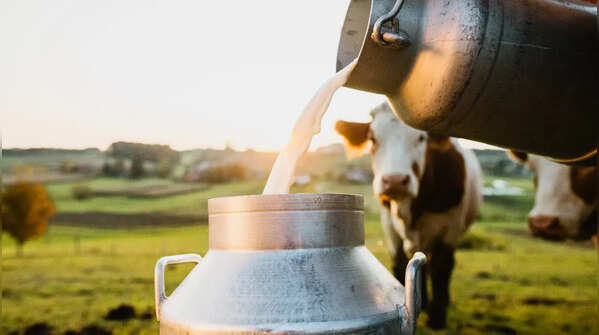
India's milk production has increased by 40%
Milk is a staple in Indian households and is considered a rich source of calcium and other nutrients. It is proven to have essential vitamins, which supports bone health, muscle growth, and overall well-being. This natural source of nutrients. According to PIB, India continues to hold 1st position in global milk production and contributes nearly a quarter of the world's supply. The latest news report by TOI states that this Indian state has increased milk production by 40%. Scroll down to read the details.
Largest milk producing state
The report states that UP recorded a 40% increase in milk production between 2016-17 and 2024-25. From producing 277 lakh tonnes in 2016-17, the milk production has increased to 388 lakh tonnes in 2024-25, making it the leading milk-producing state in the country. The result is attributed to planned development and the concrete grassroot efforts undertaken by chief minister Yogi Adityanath, the report said. Five states are responsible for 54% of the country's total milk production, of which UP alone accounts to 16%.

Women and Uttar Pradesh State Rural Livelihood Mission
It is mentioned in the report that through the Uttar Pradesh State Rural Livelihood Mission, lakhs of women have been associated with dairy activities and self-help women groups are collectively procuring nearly 10 lakh litres of milk daily, which has helped in generating business worth Rs. 5000 crore.
FSSAI's milk classification
According to FSSAI, the milk of different classes shall conform to the requirements for milk fat and milk solids-not-fat, independently. The data states buffalo milk should contain a minimum of 5.0% milk fat and 9.0% of milk solids. For cow milk, it should be 3.2% and 8.3%, goat milk 3.0% and 8.0%, and camel milk 2.0% and 6.0%. When it comes to toned milk, it should be 3.0% and 8.5% respectively. For double toned milk, it should be 1.3% and 9.0%/. Skimmed milk should not be more than 0.5% and 8.7%. And lastly, full cream milk should have a minimum of 6.0% milk fat, and 9.0% milk solids.
Milk and food additives
It is duly mentioned that milk shall not contain any food additives. The products shall comply with the Food Safety and Standards. (Contaminants, toxins and Residues) Regulations, 2011. The total urea content in milk shall not be more than 700 ppm. The products must be prepared and handled according to the requirements in Schedule 4, as applicable, of the Food Safety and Standards (Licensing and Registration of Food Businesses) Regulations, 2011 and any other guidelines as specified from time to time under the provisions of the Food Safety and Standard Act, 2006.
Images Courtesy: istock
Featured In Food

