Loose vs packed spices: Which is a safer option and why
Loose vs packed spices: Which is a safer option and why
The debate over loose versus packed spices isn’t just about convenience or cost. It’s about safety, hygiene, storage, and how much control you really have over what ends up in your food. In India, especially, where spices are not an accent but the backbone of cooking, this question matters more than we think. Walk through any local market, and you’ll see vibrant mounds of turmeric, chilli powder, and coriander seeds sitting openly in sacks. Step into a supermarket, and you’ll find neatly sealed pouches and jars promising purity and quality checks. Both have their loyal buyers. But when it comes to safety, the differences are worth understanding carefully. Scroll down to read more.


What are loose spices?

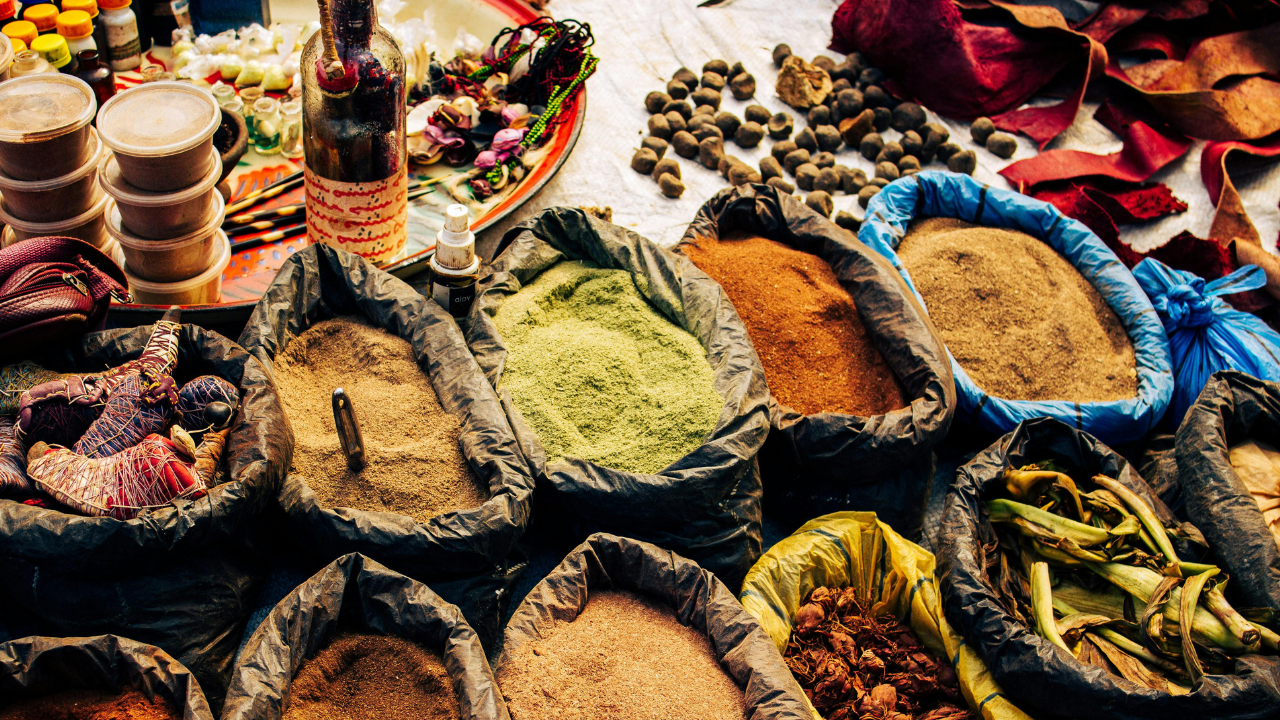
Loose spices are sold unpackaged in open containers or sacks, usually measured and packed at the time of purchase. You see them commonly in local kirana stores, wholesale markets, and traditional bazaars.They have undeniable appeal. You can see the colour, smell the aroma, and often negotiate the price. For many families, buying loose spices feels fresher and more authentic.
2
But safety depends heavily on how they are handled.
Open exposure denotes that spices are consistently subjected to air, dust particles, moisture, and occasionally even insects. In bustling market environments, these spices face the consequences of frequent handling, scooping by various customers, and exposure to environmental pollutants that may linger in the air. Although some vendors uphold strict hygiene standards to ensure cleanliness and safety, others may fall short, leading to questionable practices. Additionally, there exists a significant limitation in traceability; in the unfortunate event that contamination takes place, it becomes quite challenging to pinpoint the exact source of the problem.

What are packed spices?

Packed spices are processed, tested, and sealed before reaching retail shelves. Brands such as MDH, Everest Spices, and Catch Spices dominate supermarket aisles with airtight pouches and tamper-proof packaging.Typically, these products undergo a comprehensive series of processes that include cleaning, grinding, rigorous quality testing, and standardized packaging, all carried out within controlled environments to ensure optimal safety and quality. Reputable manufacturers adhere strictly to food safety regulations established by the Food Safety and Standards Authority of India (FSSAI). This authority sets specific limits regarding contaminants, adulterants, and microbial load to maintain the highest standards of food safety.Packaging protects spices from moisture, sunlight, and physical contamination during transport and storage. Batch numbers and expiry dates also allow traceability.
3
But “packed” does not automatically mean perfect. There have been instances globally where even branded spices were recalled due to contamination. So brand reputation and regulatory compliance matter.


The key safety differences

1. Risk of contaminationLoose spices are more vulnerable to dust, insects, rodent droppings, and handling contamination. In humid climates, open storage increases the risk of fungal growth, including aflatoxins, harmful compounds produced by certain moulds. According to a study published on ScienceDirect, microplastics were detected in 30 analysed spice samples, with concentrations ranging roughly between 500 and 1100 particles per kilogram. Bulk spices consistently showed higher counts than packaged ones, suggesting that open handling and environmental exposure may increase contamination risks.Packed spices, especially from certified brands, are typically tested for microbial contamination before distribution. Sealed packaging significantly reduces post-processing exposure and limits contact with external pollutants.From a contamination standpoint, packed spices are generally safer.2. Adulteration concernsAdulteration is a serious issue in spice markets. Some common examples include:•Brick powder mixed in chilli powder•Artificial dyes added to enhance colour•Starch or chalk powder mixed with turmeric•Used or exhausted spices blended into fresh stockLoose spices, particularly those that are in a powdered form, exhibit a heightened susceptibility to a variety of forms of adulteration. This vulnerability largely stems from the insufficient regulatory oversight that exists at the retail level for these products. On the other hand, while well-established packaged brands are not immune to these risks, they typically enjoy a greater degree of accountability and oversight. The existence of stringent regulatory audits and comprehensive laboratory testing creates a significant barrier, making it considerably more difficult for consistent adulteration to occur on a large scale without facing serious consequences or repercussions.If safety is your priority, branded packaged powders offer more assurance.3. Storage and shelf lifeSpices are sensitive to light, air, heat, and moisture. Exposure degrades essential oils and can encourage microbial growth. Loose spices sitting in open sacks lose potency faster. Moisture absorption can also cause clumping and spoilage.Packed spices are usually sealed in laminated or airtight materials that preserve flavour and reduce moisture exposure. Expiry dates help guide usage.4. Traceability and recallIf a safety issue arises, packed products can be traced through batch numbers. Brands can recall affected lots.With loose spices, tracing the origin is difficult. Once mixed or redistributed in wholesale markets, accountability becomes blurry. From a public health perspective, traceability makes packaged spices safer in systemic terms.

When loose spices can still be safe

4
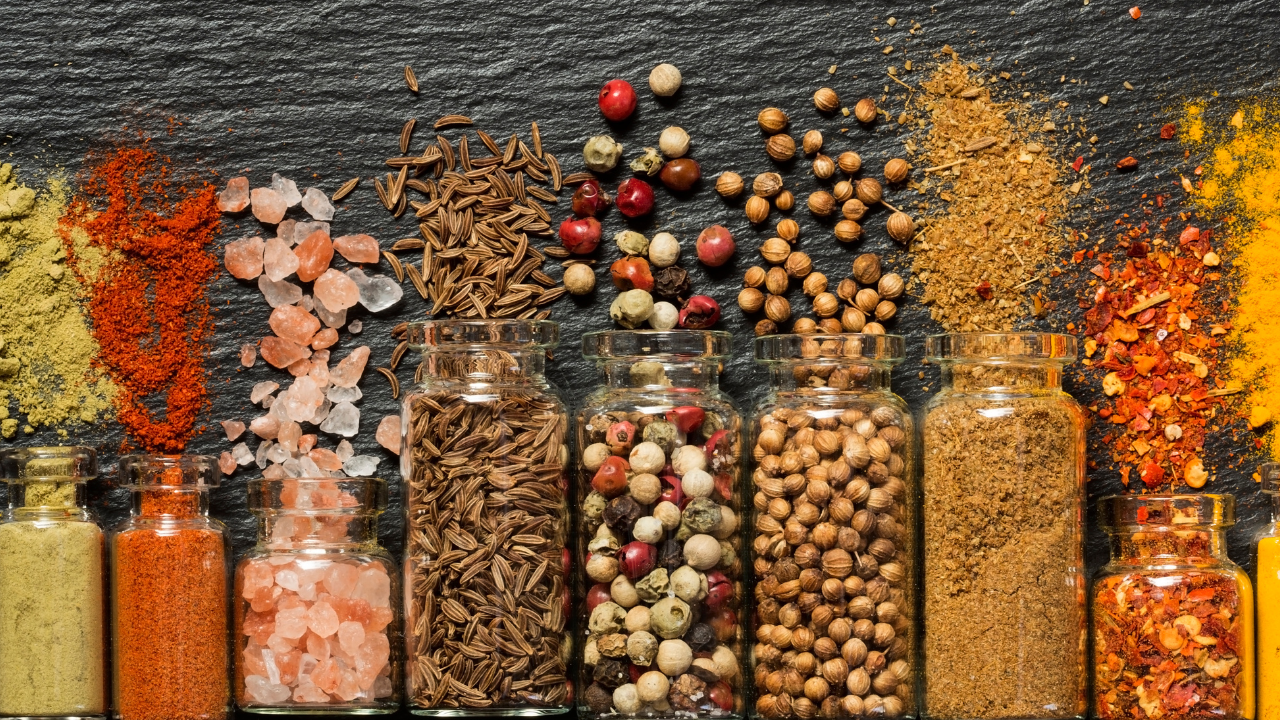
This doesn’t mean all loose spices are unsafe. In fact, whole loose spices (like cumin seeds, cardamom, cloves, cinnamon sticks) from a trusted, high-turnover vendor can be perfectly safe and sometimes even superior in freshness.Whole spices are harder to adulterate than powders. You can visually inspect them for mould, insects, or unnatural colour.If you buy loose:•Choose busy shops with fast stock turnover•Avoid dull colour, excessive dust, or clumping•Prefer whole spices and grind at home•Store immediately in airtight containers away from heatHome grinding not only enhances aroma and flavour but also gives you greater control over purity, ensuring that what goes into your food is fresh, unblended, and exactly what you intended to use.


So what’s safer overall?

If we’re speaking strictly from a food safety perspective, especially for powdered spices, packed, branded spices from reputable manufacturers are generally safer.They benefit from:•Controlled processing•Lab testing•Regulatory compliance•Hygienic packaging•TraceabilityThe quality and safety of loose spices are significantly influenced by the hygiene practices and ethical standards of the vendor from whom they are purchased. However, it is important to acknowledge that safety extends beyond just the packaging of the spices. Proper storage methods after buying the spices are also crucial. Even the most securely packaged spice can fall victim to contamination if it is left exposed in a damp kitchen environment for an extended period of time.

The balanced approach

Many experienced home cooks follow a hybrid method:•Buy whole spices loose from trusted vendors.•Grind small batches at home.•Use reputable packaged brands for complex spice blends (like garam masala or chaat masala). This balances freshness with safety.

author
About the AuthorTOI Lifestyle Desk

The TOI Lifestyle Desk is a dynamic team of dedicated journalists who, with unwavering passion and commitment, sift through the pulse of the nation to curate a vibrant tapestry of lifestyle news for The Times of India readers. At the TOI Lifestyle Desk, we go beyond the obvious, delving into the extraordinary. Consider us your lifestyle companion, providing a daily dose of inspiration and information. Whether you're seeking the latest fashion trends, travel escapades, culinary delights, or wellness tips, the TOI Lifestyle Desk is your one-stop destination for an enriching lifestyle experience.

End of Article
Follow Us On Social Media