
Is Poha healthier than Rice? Here's what the nutritionists say
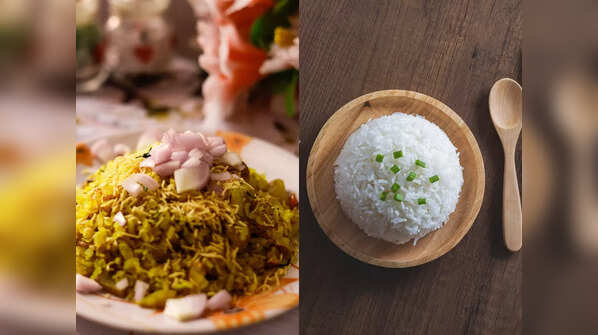
Poha vs Rice, which is more healthy?
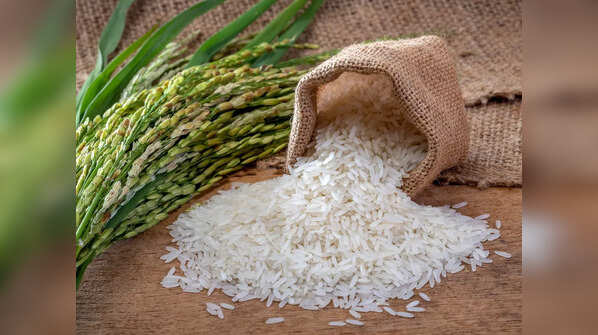
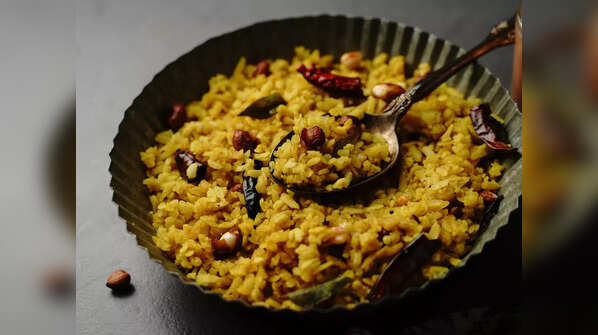
Poha, a flattened rice dish commonly consumed in India, has gained popularity as a healthier alternative to regular rice. While both Poha and rice are derived from the same grain, there are some notable differences in their nutritional profiles. Health experts believe that since Poha has a low calorie content and more fibre than rice, it is considered healthier. Read more to find out why Poha is healthier than rice. (Images courtesy: Canva)
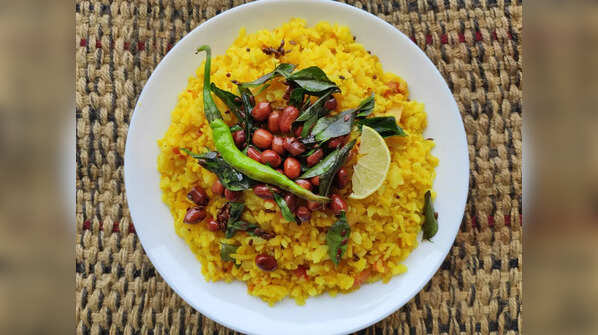
What does the nutritionist say?
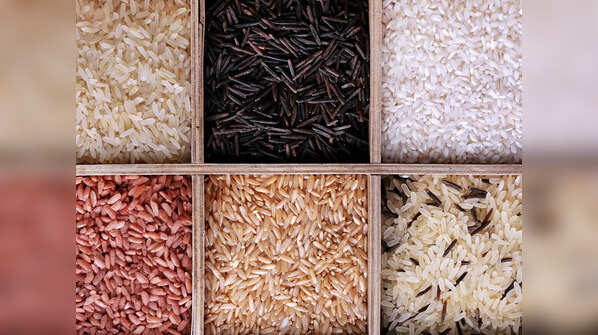
Lower calorie content
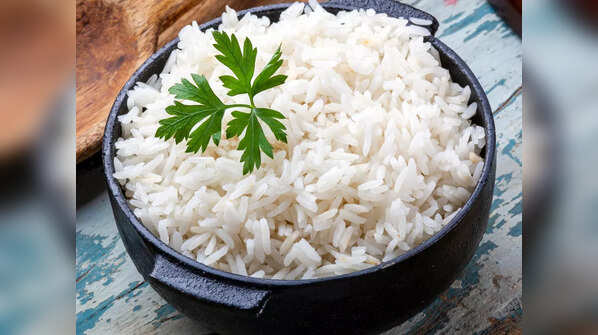
Poha is generally considered lower in calories compared to cooked rice. It undergoes a minimal cooking process, resulting in a lighter and fluffier texture. This makes it a favorable option for those aiming to manage their calorie intake.
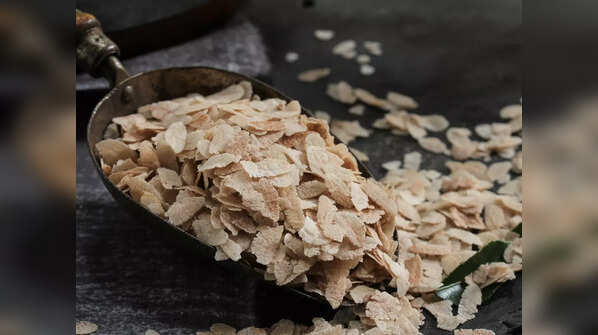
Higher fibre content
Poha retains more fibre than regular rice since it is minimally processed and the bran layer is left intact. fibre is essential for maintaining digestive health, promoting satiety, and regulating blood sugar levels. The higher fibre content of Poha can contribute to a feeling of fullness and potentially aid in weight management.
Rich in iron
Poha is known to be a good source of iron. Iron is crucial for the production of red blood cells and the prevention of iron-deficiency anemia. Including Poha in your diet can help meet your iron requirements, particularly for individuals with increased iron needs.
Quick and easy to prepare
Poha is a convenient breakfast or snack option as it requires minimal cooking time. It can be easily customized with various vegetables, spices, and condiments to enhance its nutritional value and flavor.
The bottom line
However, it’s important to note that the specific nutritional composition of Poha can vary depending on the preparation method and added ingredients. Also, it is essential to maintain a balanced diet that includes a variety of nutrient-dense foods.
Featured In Food

