
India-EU Trade Deal: Complete list of foods and beverages that will get cheaper in India
The impact of India-EU Trade Deal
Cooking with fancy imported European ingredients or flashing the European wine is no more an expensive affair. Thanks to the much-coveted Free Trade Agreement (FTA) with the European Union, now several imported goods will see a major shift in the prices, making it more accessible to Indian pockets. The deal, finalized after nearly 18 years of negotiations, focuses heavily on tariff reductions for EU exports entering the Indian market. It is reported that the duties will be reduced or eliminated on more than 90 percent of EU goods, including a significant list of agricultural and processed food products.
What is the India-EU trade deal?
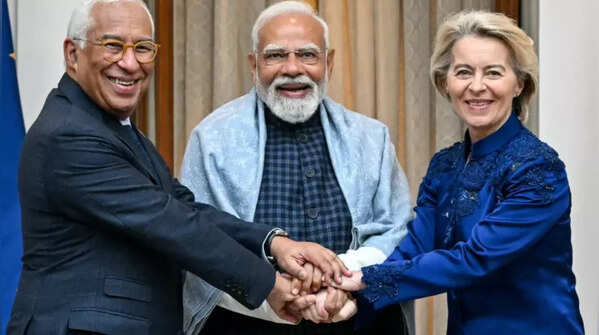
As per reports, the India-EU Free Trade Agreement is all about removing or sharply cutting tariffs on a majority of European exports to India. The agreement is projected to save EU exporters up to €4 billion in duties annually and make imported food products more accessible to Indian consumers by reducing high tariff barriers. A large portion of the tariff cuts apply specifically to agri-food items. For the unversed, many European foods currently attract import duties ranging from 30 to 55 percent, with some processed foods facing tariffs as high as 50 percent. These duties will now be reduced significantly or removed entirely. According to the official information shared by the European Commission, here are the food products that are set to become cheaper for Indian consumers under the new agreement.
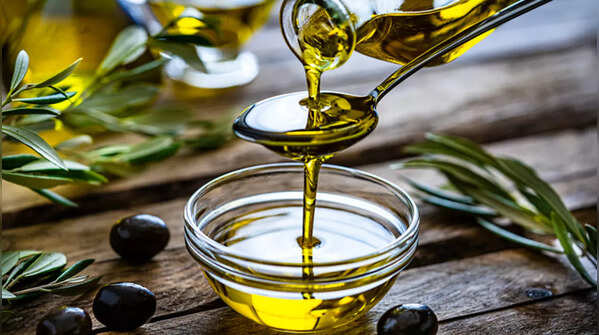
Olive Oil, Margarine And Other Vegetable Oils
Current tariff: Up to 45 percent
New tariff: 0 percent (phased over five years)
Processed food which includes bread, pasta, biscuits, pastries and bakery goods
Current tariff: Up to 50 percent
New tariff: 0 percent
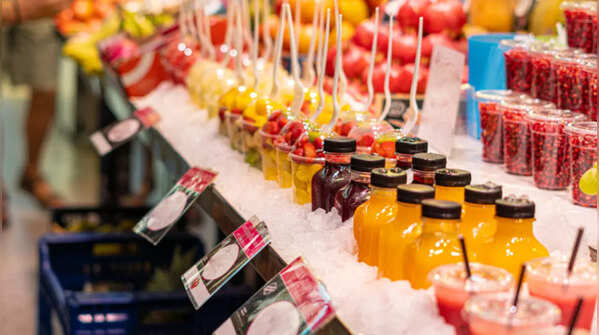
Fruit Juices And Select Non-Alcoholic Beverages
Current tariff: Up to 55 percent
New tariff: 0 percent
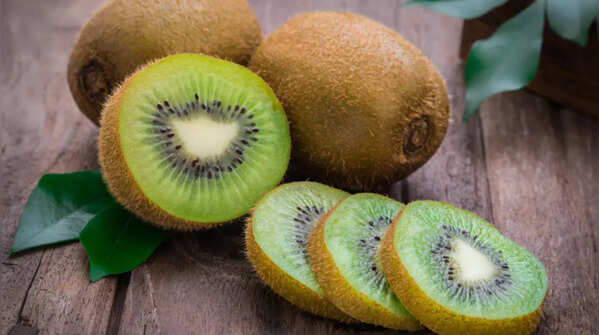
Kiwis, Pears And Other Specific Fruits
Current tariff: 33 percent
New tariff: 10 percent (within quota)
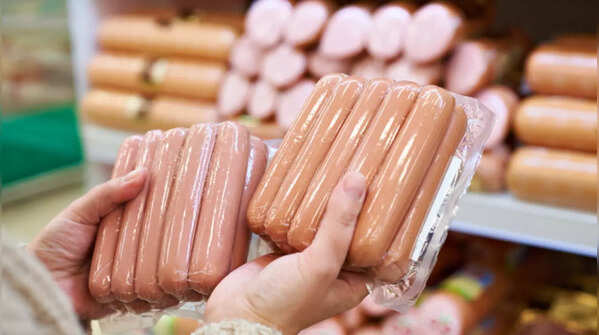
Meat Preparations And Sausages
Current tariff: Up to 110 percent
New tariff: 50 percent
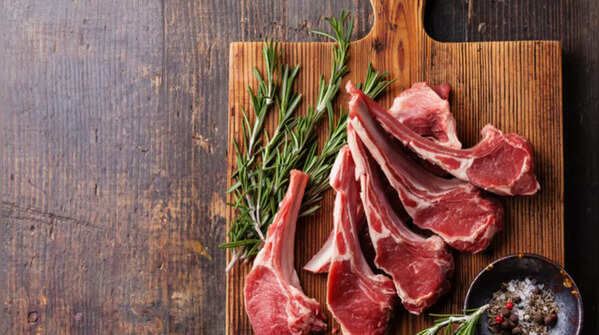
Sheep Meat
Current tariff: 33 percent
New tariff: 0 percent
Sheep meat from EU producers will become duty-free, making it significantly cheaper for Indian importers.

Beer & Wines
Current tariff:110% & 150% respectively
New tariff: 50% & 75% respectively
How will it impact the Indian consumers
As per experts, lower tariffs will make several European foods more affordable and accessible to Indian consumers. With lower duties on items like olive oil, bakery goods, chocolates, juices and select fruits, Indian consumers' an expect wider choices, better quality and more premium options entering everyday grocery deals. This may also encourage consumers to explore more with global flavours as imported items become less of a luxury purchase.

How will it impact restaurants and the food-service sector
It is expected that restaurants, cafes and hotels stand to benefit from cheaper imports and more stable supply chains. The reduced costs could enable fine-dining restaurants to expand their offerings, and allow them to use more premium ingredients like European olive oils, cheeses and wines without increasing menu prices. Also, the cheaper wine prices will encourage more wine pairings, olive oil infusions in Mediterranean dishes.
Images Courtesy: istock
Featured In Food

