Trending
How to build the perfect high-protein veg plate for gym-goers
Vegetarians hitting the gym can achieve fitness goals with a balanced post-workout plate. Prioritizing protein from sources like paneer, tofu, and lentils, alongside smart carbs and healthy fats, is crucial for muscle repair and sustained energy. This strategic approach ensures progress, not plateaus, for dedicated athletes.

Why protein is the star here
What your plate should look like
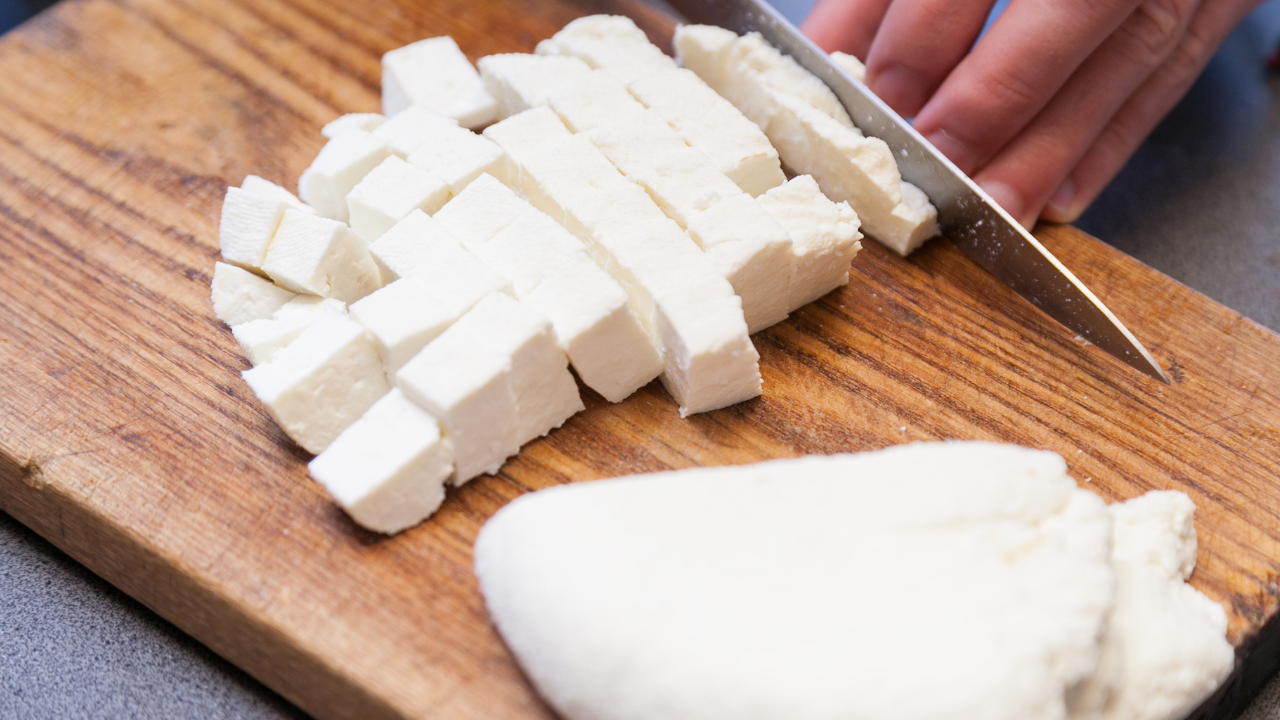
Strong vegetarian protein choices
Smart carbs that fuel progress
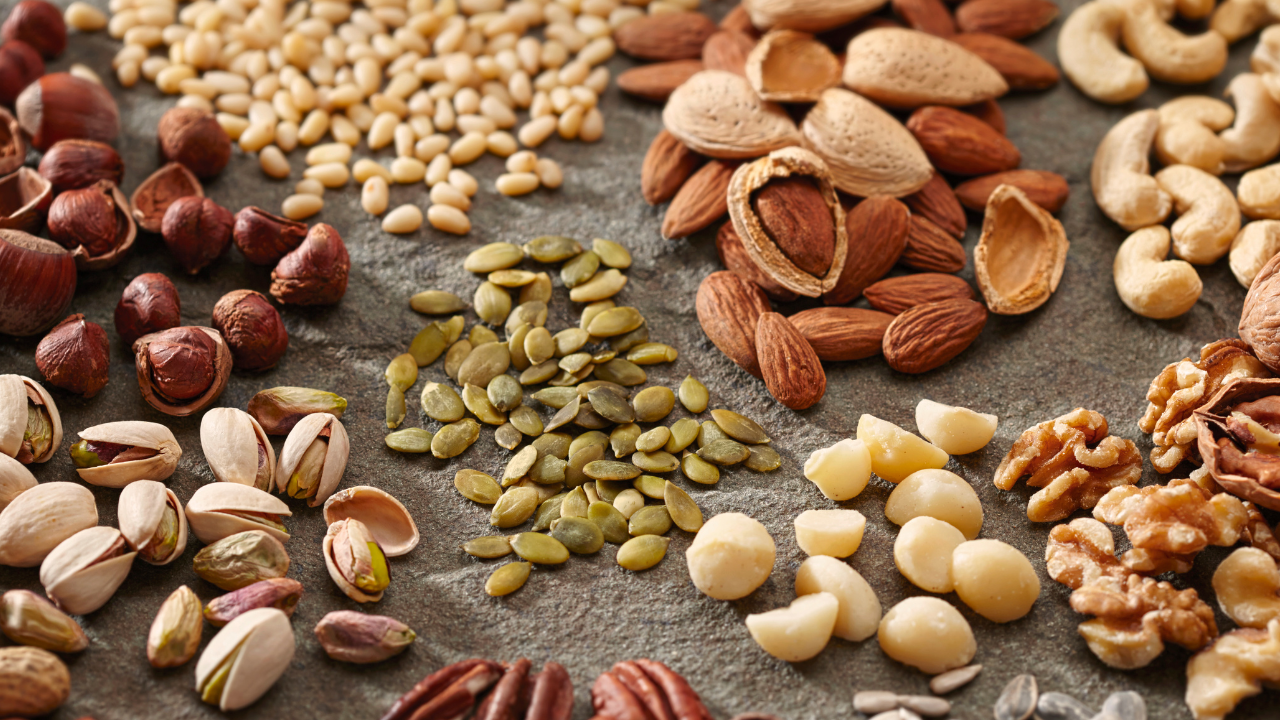
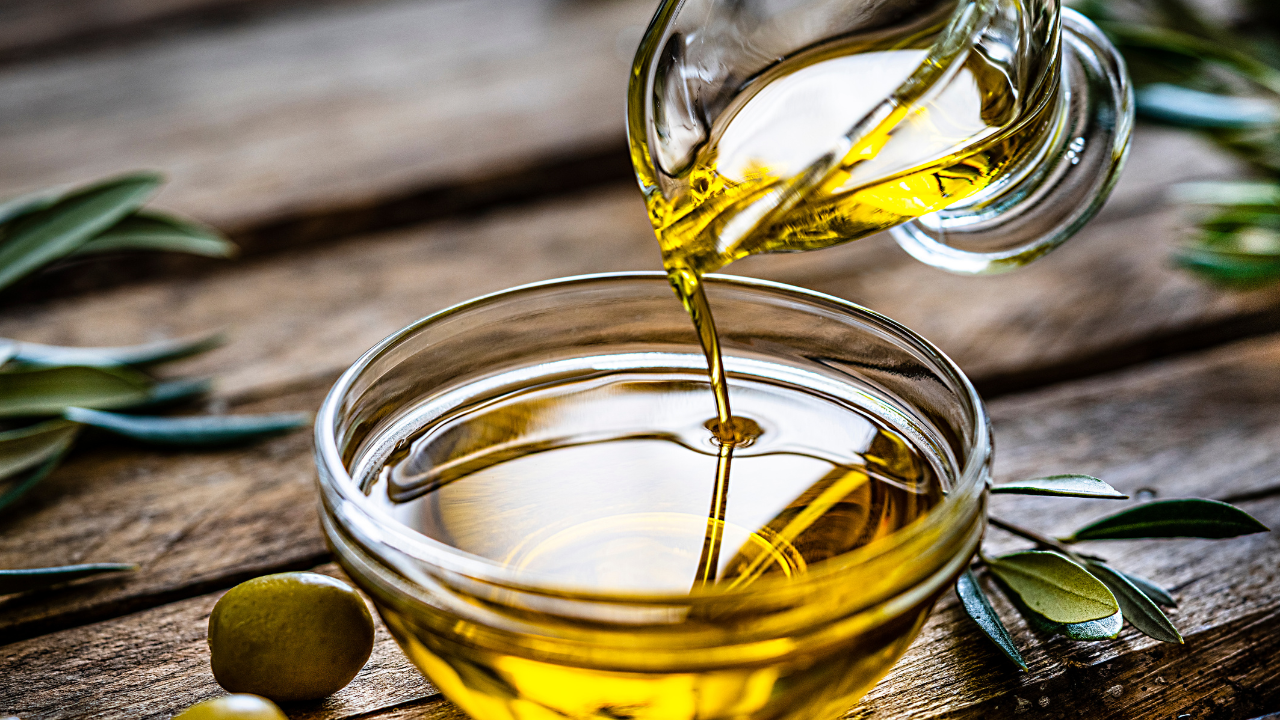
Healthy fats, don’t skip them
3 perfectly balanced veg gym-plates
Plate 1 - “strength starter”
Plate 2 - “Recovery rich”
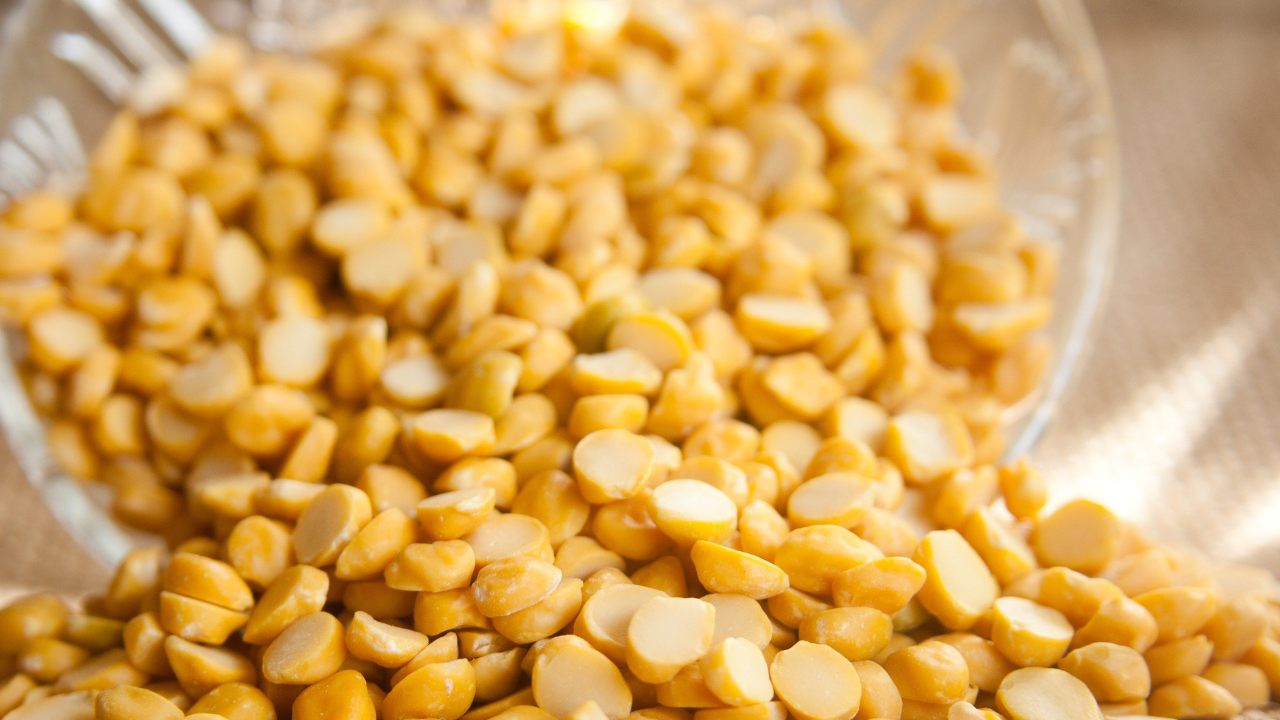
Plate 3 - “Plant protein punch”
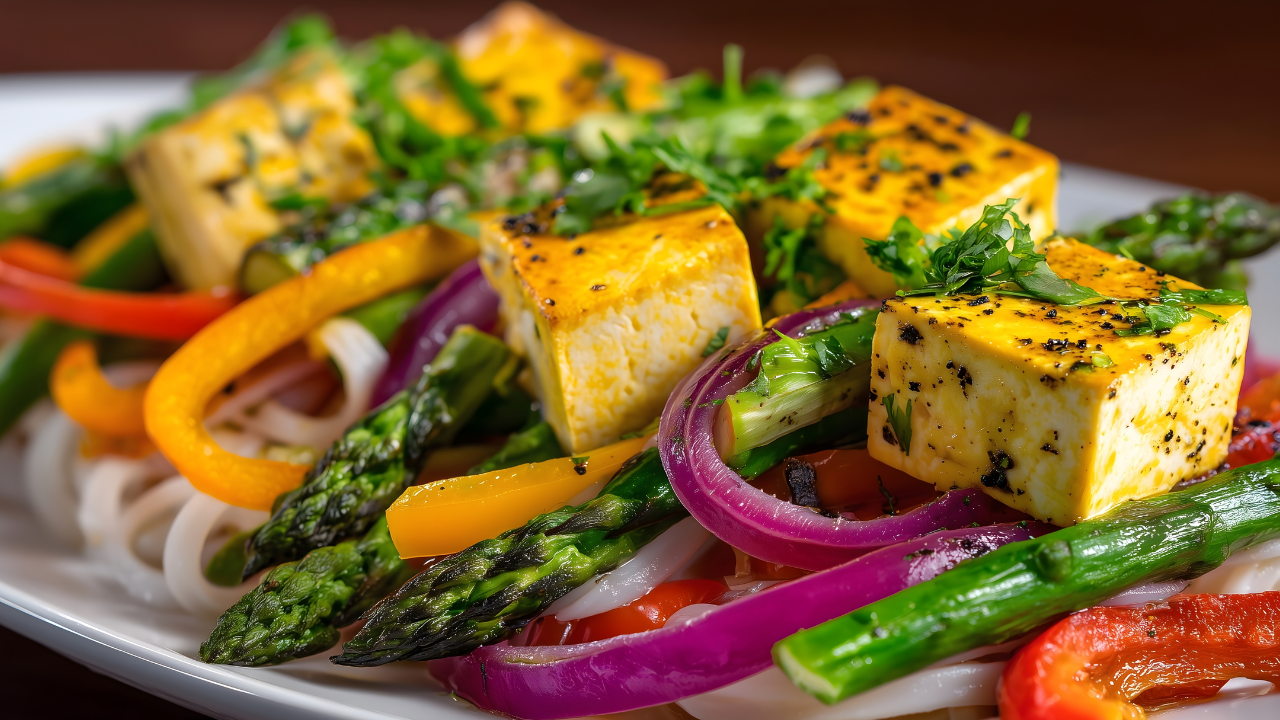
Common mistakes to avoid
- Relying only on carbs and forgetting the protein
- Going heavy on deep-fried protein snacks
- Kipping vegetables “to save calories”
- Trying to survive on supplements instead of meals
- Eating too little after tough sessions

About the AuthorTOI Lifestyle Desk
End of Article
Follow Us On Social Media
Tired of too many ads?go ad free now
Food videos
Featured In Food

Tired of too many ads?go ad free now
MORE FROM ETIMES
life & styleHot on the Web
Vitamin C Health BenefitsSatish Shah Death NewsArtery Plaque PreventionIce cream For Diabetic PeoplePancreatic Cancer SymptomsHappy Chhath Puja WishesChhath Puja WishesMorning DrinksChhath Puja 2025Kidney HeathYuzvendra ChahalLiver Damage SymptomsMira RajputGolden BuddhaSanae TakaichiMegan FoxHeart FailureEarth Second MoonWorld Weakest PassportsPomegranate Seed JuiceColon CancerKaun Banega Crorepati 17Bhagvad GitaHeart HealthSatish Shah Net WorthDementiaSachin PilgaonkarSanjay DuttBison Kalamaadan Movie ReviewKantara Box Office CollectionElephant Safari National ParkTilak VarmaNostradamus Predicted 3i/atlasSweet Potatoes For Blood SugarLiver Damage Warning SignsColon CancerIce Cream For Diabetic PeopleHomemade Drinks For Kidney HealthMultigrain Flour BenefitsPeas BenefitsRefrigerate Eggs
Trending Topics
Latest MoviesBollywood MoviesHollywood MoviesTamil Movies 2025Telugu Movies 2025Malayalam Movies 2025Kannada Movies 2025Marathi Movies 2025Bengali Movies 2025Top Rated Movies 2025Best Hindi MoviesBest English MoviesBest Telugu MoviesBest Tamil MoviesBest Malayalam MoviesBest Kannada MoviesBest Bengali MoviesUpcoming Hindi MoviesBest Movies Of All TimeBest Hindi Movies of All TimeLatest English MoviesLatest Malayalam MoviesEnglish TV NewsTamil TV NewsTelugu TV NewsMalayalam TV NewsKannada TV NewsMovie ReviewsBhojpuri Cinema NewsGujarati Cinema News
Popular Categories
Viral NewsK Pop NewsWeb Series NewsAnime NewsUpcoming English MoviesUpcoming Tamil MoviesUpcoming Telugu MoviesUpcoming Malayalam MoviesUpcoming Kannada MoviesFashion TipsTravel NewsEntertainment NewsBollywood NewsTollywood NewsKollywood NewsMollywood NewsFood NewsLatest Hindi MoviesLatest Tamil MoviesParenting TipsHome RemediesWeight LossBeauty TipsParenting TipsHindi VideosHindi Video SongsBhojpuri Music VideosLatest Telugu MoviesBhojpuri Music VideoHindi TV News
Latest News
When Young Lives Change in One StrokeIs Emiru coming back to Twitch? What we know about her return after the dramaCyclone Montha: Andhra Pradesh school closure across multiple districts, Odisha also affected; see full list hereAndhra Pradesh bus fire: Bike was dragged for 200m by sleeper coach, says report; fuel spill ignited blazeAustin Reaves proves to be worthy Los Angeles Lakers leader with a stunning 51-point show amid LeBron James and Luka Doncic’s absenceChennai shocker: 2 men swept away while trying to swim across river over Rs 500 bet; rescue ops onAlone at sea, unaccompanied refugee minors in mortal dangerRemembering Satish Shah: Lucknow artists honour comedy legendCSIR UGC NET December 2025 registration window closing today: Check direct link to apply hereStay tuned! Sanjay Bangar's child drops a bombshell; vows to follow father’s footsteps as AnayaCyclone Montha brewing: Red alert in Andhra Pradesh, Odisha, landfall likely near Kakinada tomorrow — all you need to knowApple may soon show ads in Maps app: What it means for usersWhere ‘quality’ is merely a word: Delhi’s air back in ‘very poor’ zone; mercury dips to 15.8°CReal-life robot mutiny: Tiny AI robot “kidnaps” 12 bigger bots in a Chinese showroom!Daily Lal Kitab Horoscope Today, October 27, 2025: Aquarius Rahu to reveal hidden enemies, these zodiac signs should stay cautious of betrayalGiannis Antetokounmpo just did what players like Michael Jordan and LeBron James couldn’t doBloating after dinner? Try this simple kitchen solutionLucknow: Fire breaks out at railway hospital in Alambagh; over 22 critical patients rescued