Trending
Healthy ways to cook meat: Avoid high, dry heat to reduce cancer and liver risk

Cooking meat at high temperatures can produce harmful chemicals like HCAs and PAHs, increasing the risk of cancer and liver issues. Healthier methods such as steaming, poaching, and sous-vide minimize these compounds. Marinating meat and avoiding charring during grilling can also reduce toxins, promoting better liver and heart health.
Why high heat and dry cooking are harmful
The healthiest ways to cook meat and make it liver-friendly
- Steaming and poaching: Meat is cooked in water or steam at moderate temperatures, which preserves nutrients and prevents harmful chemical formation.
- Braising and pressure-cooking: Slow cooking in liquid at controlled heat breaks down meat fibres, enhances flavour, and keeps toxins low.
- Sous-vide cooking: Meat is vacuum-sealed and cooked in a water bath at precise temperatures. Poultry should be cooked at 62–65°C and red meat at 55–60°C for 1–4 hours. This method kills pathogens, preserves moisture, and minimizes HCAs. A quick 30-second sear at the end adds texture and flavour without generating high levels of toxins.
How to grill or barbecue meat safely
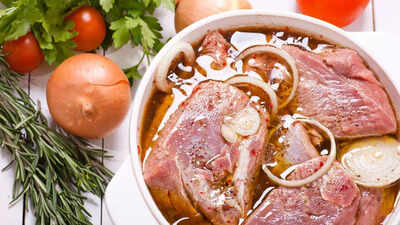
- Marinate meat thoroughly: Using acidic ingredients like vinegar or lime along with antioxidant-rich spices such as turmeric, garlic, ginger, rosemary, and thyme can reduce HCA formation by 60–90%. The antioxidants neutralize free radicals that form on hot surfaces.
- Microwave before grilling: Two minutes in the microwave removes creatine-rich drippings, reducing the raw material for HCA formation.
- Flip frequently and manage fat: Avoid charring the meat and prevent fat from dripping onto flames, which generates PAHs. Trim any blackened surfaces.
- Indirect cooking: Place meat on a raised rack or away from direct flames to maintain lower surface temperatures, reducing chemical reactions that produce HCAs and PAHs.
Avoid deep-frying and limit air-frying for healthy liver
Daily practices to protect your liver and heart
- Choose low-heat, moist cooking methods like steaming, poaching, or sous-vide.
- Marinate meat with antioxidant-rich spices before cooking.
- Avoid charring and remove excess fat during grilling.
- Limit deep-fried or air-fried meals to occasional consumption.

About the Author
TOI Lifestyle DeskEnd of Article
Follow Us On Social Media









Photostories
Tired of too many ads?go ad free now
Food videos
Featured In Food

Tired of too many ads?go ad free now
MORE FROM ETIMES
life & styleHot on the Web
Google Gemini Saree TrendLongevityBlind SnakesKatrina KaifHeart AttackPriya SachdevPrediabetes SymptomsYogi AdityanathBlood SugarThings That Attract SnakesIndian FoodsVegetables for CholesterolAmitabh BachchanUrine Serious Diseases CluesAishwarya RaiFish Oil SupplementsHeart HealthFatty Liver SymptomsFatty Liver SymptomsLiver Detox FoodsHigh Blood Pressure SymptomsKidney HealthRaj KundraPrediabetes SymptomsPest Control TipsFatty Liver SymptomsVitamin D DeficiencyThe Bengal Files Box Office CollectionBaaghi 4 Box Office CollectionParesh RawalBananas With Black PepperPink Guava Vs White GuavaStop Scrolling Reels In ToiletOrange Juice For Heart HealthBaking Soda Water For HealthTrick To Improve SleepThroat Cancer SymptomsNutrient Deficiencies In WomenYellow Stains On PillowsFish Oil SupplementsFood To Avoid In Breakfast
Trending Topics
Latest MoviesBollywood MoviesHollywood MoviesTamil Movies 2025Telugu Movies 2025Malayalam Movies 2025Kannada Movies 2025Marathi Movies 2025Bengali Movies 2025Top Rated Movies 2025Best Hindi MoviesBest English MoviesBest Telugu MoviesBest Tamil MoviesBest Malayalam MoviesBest Kannada MoviesBest Bengali MoviesUpcoming Hindi MoviesBest Movies Of All TimeBest Hindi Movies of All TimeLatest English MoviesLatest Malayalam MoviesEnglish TV NewsTamil TV NewsTelugu TV NewsMalayalam TV NewsKannada TV NewsMovie ReviewsBhojpuri Cinema NewsGujarati Cinema News
Popular Categories
Viral NewsK Pop NewsWeb Series NewsAnime NewsUpcoming English MoviesUpcoming Tamil MoviesUpcoming Telugu MoviesUpcoming Malayalam MoviesUpcoming Kannada MoviesFashion TipsTravel NewsEntertainment NewsBollywood NewsTollywood NewsKollywood NewsMollywood NewsFood NewsLatest Hindi MoviesLatest Tamil MoviesParenting TipsHome RemediesWeight LossBeauty TipsParenting TipsHindi VideosHindi Video SongsBhojpuri Music VideosLatest Telugu MoviesBhojpuri Music VideoHindi TV News
Latest News
Bigg Boss 19: Tanushree Dutta claims she rejected Rs 1.65 crore offer; ‘Not so cheap, won’t sleep on same bed with a man’Asia Cup: Versatile Axar Patel shows his worth again against PakistanNafisa Ali shares health update, resumes chemotherapy after doctors rule out surgery: 'I had my PET scan yesterday...'Using Ozempic to slash those extra pounds? WHO backs weight loss drugs for obesity8 steps cut to 3: Local officers in Karnataka to issue fire safety NOCsUttarakhand CM Dhami monitors relief efforts as heavy rains damage shops in Dehradun's SahastradharaAsia Cup: Pakistan to boycott UAE match, tournament over match referee?‘Governor didn’t ask’: Donald Trump explains why flags stayed up after Minnesota lawmakers’ murders; blame put on Tim WalzTamil Nadu NEET PG 2025 counselling registration closes at 5 PM today at tnmedicalselection.netBigg Boss Malayalam 7 preview: Former contestants Shiyas Kareem and Sobha Viswanath re-enter the house as guestsUttarakhand reels under heavy rain fury; IMD issues red alert for Haridwar, Tehri, and DehradunKhalil Mack leaves Chargers game with elbow injury as ‘ugly’ replay raises bigger concernsBananas with black pepper can support liver health and reduce bloatingTallest sunflower in the world: Indiana gardener Alex Babich sets Guinness World Record with 36-foot tribute to UkraineSocial BehaviourNumerology horoscope today, September 16, 2025: What your name's first letter reveals today'Hridayapoorvam' box office collection day 19: Mohanlal-Malavika Mohanan film mints Rs 34 lakh on third MondayAnupamaa: the Shahs rejoice as Anupama brings home victory