
- News
- lifestyle
- health-fitness
- health-news
- Lower risk of diabetes, heart disease, and cancer with a vegan lifestyle
Lower risk of diabetes, heart disease, and cancer with a vegan lifestyle
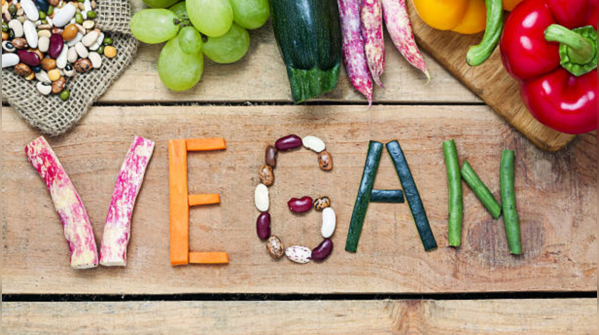
What is vegan food?
We often see reels warning us of the “dangers” of extreme diets like veganism. But despite what misguided influencers say, science (Physicians Committee for Responsible Medicine) shows that a vegan diet is optimal for humans at every stage of life. At its core, vegan food is simply plants: fruits, vegetables, legumes, grains, nuts, and seeds, without meat, dairy, eggs, or other animal products.
In fact, our bodies thrive on plants. And here in India, veganism isn’t some foreign concept, it’s already part of our plates: dal, sabzi, roti, oats, rice, tofu, nut milks, soy chunks, and now, thanks to innovation, even plant-based cheese, meat, and seafood.
But veganism isn’t just a diet, it’s a lifestyle. It means eating abundantly, experimenting with flavours, and discovering how versatile and delicious plant-based food can be. From rich curries and street snacks to gourmet alternatives, the variety is endless. And the impact is huge: if every Indian went vegan for just one month, it would equal removing 40 million cars from the roads.
Amy Aela, Actor & Co-Founder of Pause Mumbai - Bandra’s leading plant-based cafe
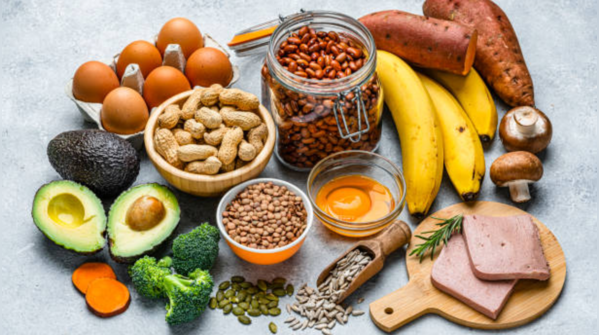
Health benefits
Lower risk of chronic diseases: A balanced vegan diet is linked to reduced risk of heart disease, diabetes, obesity, and certain cancers. Dairy is one of the largest sources of saturated fat in the Indian diet, directly linked to rising rates of lifestyle diseases like diabetes, obesity, and heart disease. India is already considered the diabetes capital of the world, with over 100 million cases, and cardiovascular disease is the leading cause of death nationwide. 77 million adults living with Type 2 diabetes and 25 million more as pre-diabetics, many of whom remain unaware of their condition, according to the World Health Organization. Dairy products are rich in saturated fat, which contributes to elevated risks of heart disease and obesity. A plant-based diet, by contrast, is naturally low in saturated fat and cholesterol-free, supporting better blood sugar control and cardiovascular health for a population grappling with these chronic challenges.
Weight management: Naturally lower in calories and higher in fiber, so you feel full without overeating.
Better digestion: Fiber from fruits, veggies, and legumes keeps your gut healthy and happy. In fact, around 60-70% of Indians are lactose intolerant, meaning the majority cannot properly digest dairy, despite its prominence in the diet (Ref: Hindustan TimesThe Times of India). For many, persistent symptoms like bloating, gas, or discomfort go unrecognized as lactose intolerance. This is arguably because dairy is not designed for human consumption, as a mothers milk is for its child. This is why so many Indians are switching to plant-based alternatives which offers relief and better overall digestion, often without sacrificing the flavors of beloved dishes! You can still enjoy chai, indians sweets and regular dishes - just by swapping out ingredients. Doctors and nutritionists are increasingly recommending plant-based alternatives that are lower in saturated fat and cholesterol-free.
Cholesterol & blood pressure: Plant-based diets help lower LDL cholesterol and regulate blood pressure. Infact if every Indian went plant based for just 1 month, as a country we would collectively have 1 lakh less strokes & 60,000 less heart attacks - and India would save 8000-12000INR in health care costs.
Packed with antioxidants: Vitamins C, E, and phytonutrients boost immunity and slow down aging.

Environmental benefits
Smaller carbon footprint: Producing plants creates far fewer emissions than raising animals. A vegan diet is estimated to have a 73% lower carbon footprint than a meat- and dairy-based one, making it one of the most powerful individual climate actions.
Less water: Growing grains and legumes uses a fraction of the water compared to animal agriculture. On average, just one person going vegan for a year can save around 200 animals’ lives, 1.3 million litres of water, and nearly 800 square metres of farmland, while reducing CO₂ emissions by more than 1.5 tonnes. In fact if India went plant based for 1 month, we would save 3 trillion tonnes of water…that is enough to provide every indian drinking water for a year.
Protects biodiversity: Cutting back on livestock reduces deforestation and saves habitats.
Sustainable: A plant-based system can feed more people with fewer resources: vital as the population grows. In fact, if India went plant based for a month, we would have enough food to feed over 300 million hungry children, by redirecting animal crops (like soy and corn).

Ethical & social benefits
Animal welfare: For India, the world’s largest dairy producer and among the top meat exporters, the potential scale of change is immense. Not only does veganism reduce immense animal suffering, it also offers a cultural realignment with ahimsa (non-violence). A vegan, on average, saves over 300 animals per year.
Food security: Animal farming is highly inefficient. It takes about 10 kg of grain to produce 1 kg of beef, 4 kg for 1 kg of pork, and 2 kg for 1 kg of chicken. By contrast, eating those grains or pulses directly could feed up to 10x more people, using far less land and water.
Social inclusion: Vegan options are everywhere now. Market data shows vegan menu items in quick-service restaurants have grown by nearly 60% in the past two years
Featured In lifestyle

