
Eggs from around the world: How different countries make their eggs
Eggs from around the world: How different countries make their eggs
Eggs are one of the few foods that travel across borders without changing purpose. They show up as breakfast, street food, comfort food, and sometimes the quickest solution to hunger. What changes is the thinking around them. Climate, cooking fat, spice tolerance, time, and habit decide how an egg is treated. Some cultures let the egg stay quiet, others push it into bold territory. Here are ten ways different countries approach eggs, as reflections of how people eat and organise their meals.
Israel - Shakshuka
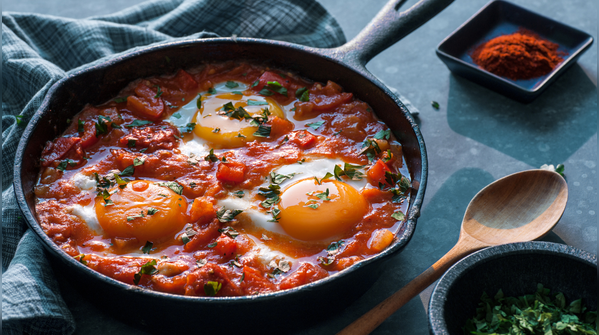
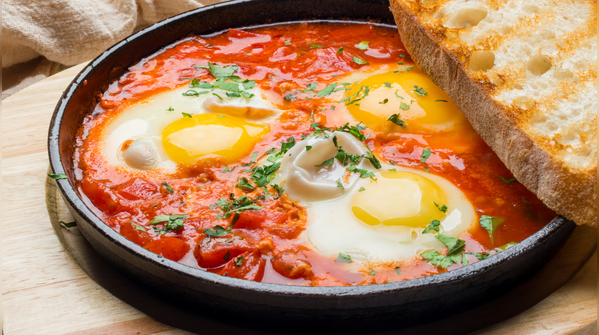
In Israel, eggs are rarely isolated. Shakshuka cooks them directly in a thick tomato and pepper base, letting the yolks absorb spice and acidity. The eggs finish gently while the sauce does most of the work. Bread is essential, not optional. It’s food meant to be shared, eaten slowly, and finished straight from the pan.
Japan - Tamago Kake Gohan
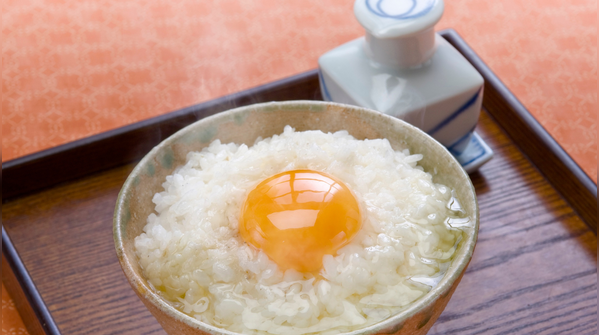
Japan takes the opposite approach. A raw egg is mixed into hot rice with a little soy sauce. The heat cooks the egg just enough, turning it glossy and smooth. The dish depends entirely on timing and ingredient quality, reflecting a food culture that values restraint and precision.
Mexico - Huevos Rancheros
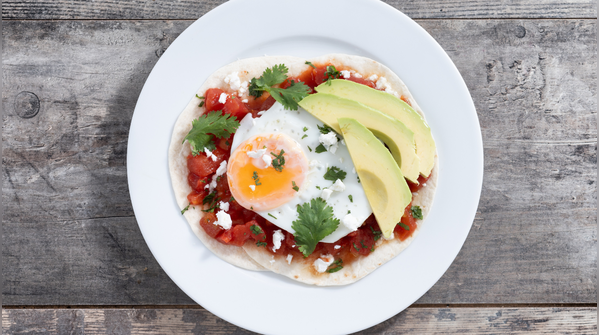
Mexican eggs arrive with structure. Fried eggs rest on tortillas, layered with beans, salsa, and sometimes meat. The egg anchors the plate, balancing spice and acidity across each bite. It functions as a full meal rather than a light start - designed to provide sustained energy and satisfy appetite without excess or ornamentation.
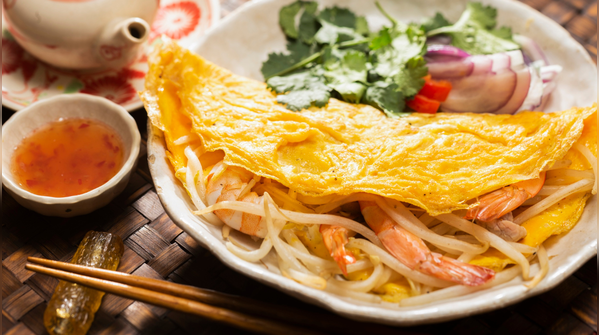
France - Omelette
The French omelette reflects restraint and precision. Pale, softly folded, and barely set, it avoids browning entirely. Fillings are minimal, if used at all. The focus stays on technique rather than excess, with texture taking priority over intensity, allowing the egg itself to remain central and clearly defined on the plate.

United Kingdom - Scotch egg
In the UK, eggs are adapted into portable food. A boiled egg is wrapped in seasoned sausage meat, crumbed, and fried. The egg sits at the centre, protected by layers. It’s practical and filling, suited to pubs, picnics, and situations where meals need to travel and hold well.
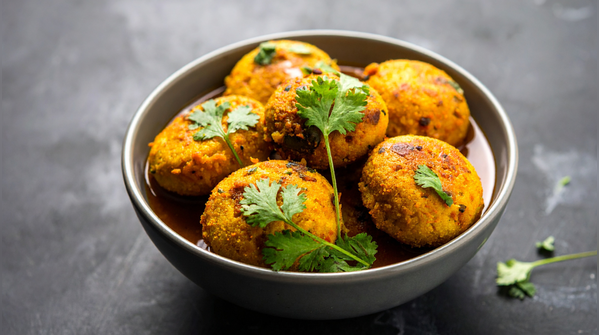
India - Egg Curry
In India, eggs are rarely left plain. They are boiled, fried, and simmered in gravies that vary by region, absorbing spice rather than asserting their own flavour. Egg curries are commonly served with rice, chapati, paratha, or appam, depending on the region. In many homes, they appear alongside simple dals, vegetable sabzis, or bread-based meals, making them a flexible option that fits easily into lunches and dinners rather than special occasions.
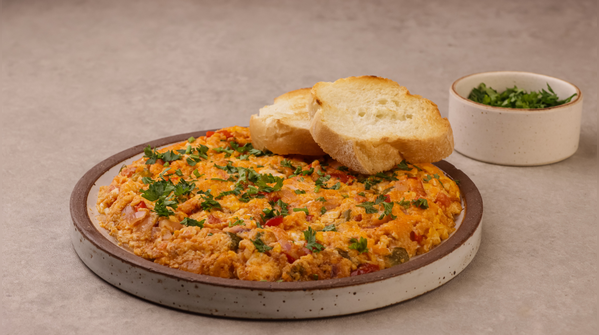
Turkey - Menemen
Menemen combines gently scrambled eggs with tomatoes, peppers, and olive oil. It sits between a sauce and a scramble, eaten slowly rather than quickly. Bread is used to scoop instead of cut. The eggs adjust to the vegetables, creating a dish that feels fluid, shared, and guided more by texture than structure.
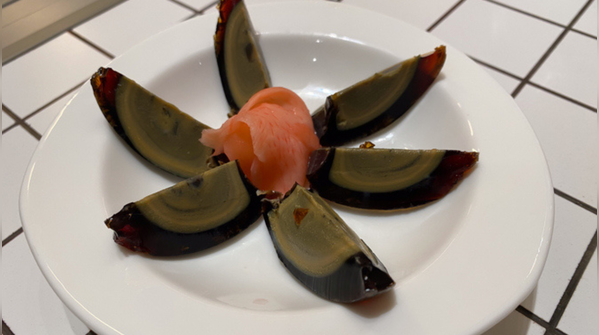
China - Century egg
Chinese cuisine shows that eggs don’t have to be fresh to be valued. Century eggs are preserved over time using traditional curing methods that alter both structure and aroma. Jelly-like whites and deep, savoury yolks reflect a food culture comfortable with time, fermentation, and acquired taste.
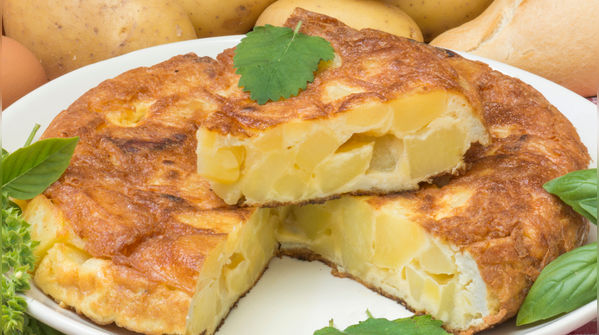
Spain - Tortilla Española
Spain treats eggs as a binder rather than a highlight. Eggs and potatoes are cooked together in oil, then sliced and served hot or cold. The tortilla fits any time of day. It’s filling and uncomplicated - built for sharing, travel, and casual eating rather than individual plating or formal meals.
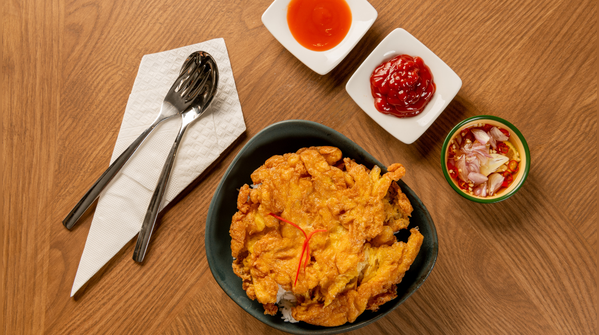
Thailand - Khai Jiao
Thai omelettes are beaten vigorously and fried quickly, creating a puffy, crisp structure. Often served over rice with sauce, the emphasis lies on texture as much as flavour. The technique suits busy street stalls, producing food that is fast, filling and designed to be eaten without pause or ceremony.
Featured In Food

