
Decoded: 7 health benefits of eating a bowl of idli and sambar and 3 potential harms if not made well

Decoded: 7 health benefits of eating a bowl of idli and sambar and 3 potential harms if not made well
Idli and sambar are often seen as the safest Indian meal, light, steamed, fermented, and easy to digest. They appear on hospital menus, diet plans, and breakfast tables across the country, trusted almost by default. But their health value isn’t guaranteed. Like most traditional foods, the benefits depend on how they’re prepared. When made with care, idli–sambar offers steady energy, gut support, and balanced nutrition. When shortcuts enter the process, the same plate can lose much of its advantage. Here’s a look at what this combination does right and where it can go wrong...
1. Gentle on digestion
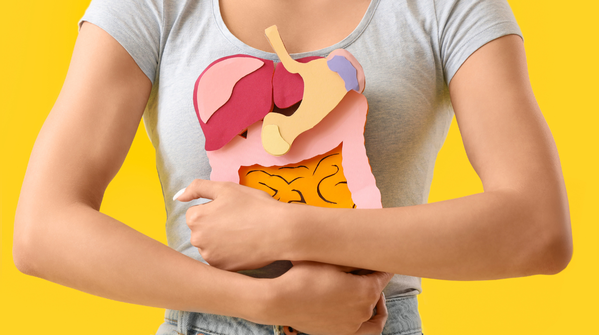
Idlis are fermented, which partially breaks down starches and proteins before they even reach your gut. This makes them easier to digest than many flatbreads or fried breakfasts. Sambar adds fibre and spices like hing, cumin, and curry leaves that support digestive enzymes. Together, they reduce heaviness rather than create it.

2. Steady energy without sugar spikes
Idlis are made from rice and urad dal, offering a mix of carbohydrates and plant protein. When paired with sambar’s lentils and vegetables, the meal slows glucose release into the bloodstream. This helps prevent sharp sugar spikes and crashes, making it suitable for long mornings and active days.

3. Plant protein without heaviness
Urad dal in idli batter and toor dal in sambar together provide a decent amino acid profile. While it’s not high-protein in a gym sense, it offers enough quality protein for daily maintenance, especially when eaten regularly. For vegetarians, this combination remains one of the most digestible protein sources.

4. Naturally low in fat
Steamed idlis contain almost no fat. Sambar, when prepared traditionally, uses minimal oil and relies more on spices and lentils for flavour. This keeps the meal heart-friendly and light, especially compared to fried breakfasts or butter-heavy alternatives.

5. Gut-friendly fermentation benefits
Fermentation increases the bioavailability of minerals like iron and zinc in urad dal. It also introduces beneficial bacteria that support gut health. Regular consumption can improve bowel regularity and nutrient absorption, particularly when the batter is properly fermented and not rushed.

6. Micronutrient diversity
A good sambar isn’t just lentils and water. It includes vegetables like drumsticks, pumpkin, carrots, brinjal, tomatoes, and shallots. This adds potassium, folate, vitamin C, and antioxidants. Tamarind contributes polyphenols, while spices add anti-inflammatory compounds.

7. Culturally sustainable and portion-friendly
Idli-sambar works because it’s filling without encouraging overeating. The food is warm, soft, and slow to eat. It aligns with traditional eating rhythms rather than modern hyper-palatable foods. This makes it easier to maintain long-term dietary discipline without conscious restriction.

When idli-sambar turns unhealthy
Despite its reputation, this meal isn’t immune to poor execution. These are the three most common ways it goes wrong.
1. Over-polished rice and poor dal ratio
Many commercial batters use excessive polished white rice and very little urad dal to cut costs. This lowers protein, fibre - and mineral content while increasing glycaemic load. The result is an idli that spikes blood sugar quickly and leaves you hungry sooner.
Fix - A balanced batter uses enough urad dal to give softness without sacrificing nutrition.
2. Sambar overloaded with salt and oil
Restaurant sambars often rely on excess salt, oil, and sambar powder for flavour instead of vegetables. This turns a heart-friendly dish into a sodium-heavy one that can contribute to water retention and blood pressure issues.
Fix - Home-style sambar should be lentil- and vegetable-forward, not spice-water with oil floating on top.
3. Fermentation shortcuts
Instant yeast, baking soda, or chemical shortcuts may fluff idlis, but they remove fermentation benefits. Worse, poor fermentation can irritate the gut rather than support it - especially for people with acidity or bloating issues.
Fix - Natural fermentation using time and warmth preserves gut benefits and flavour.
Featured In Food

