Trending
Can white rice help in weight loss?
White rice can be part of a balanced diet if eaten in moderation. Portion control, nutrient timing, and overall dietary patterns significantly impact weight management. Incorporating white rice with proteins, healthy fats, and vegetables enhances satisfaction and supports weight loss. Research shows that white rice does not hinder weight loss when calorie intake is managed effectively.
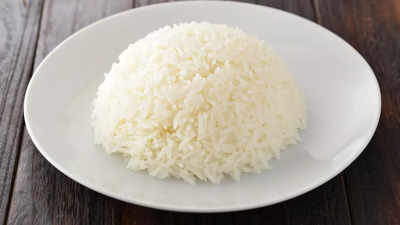
Understanding White Rice
White rice is a refined grain, which means that the bran and germ have been removed. This process makes the grain softer and longer to last while in storage. It still offers a good energy source compared to whole grains, although it's less nutritious since much of the fiber and some other nutrients are removed in the processing. A 1-cup serving of cooked white rice contains about:
- Carbohydrates: 45 grams
- Fat: 0.4 grams
- Fiber: 0.6 grams
White rice is often demonized because of its high carbohydrate content and low fiber, but it can be part of a balanced diet if eaten mindfully.
The Role of Portion Control
Portion control is one of the most important aspects of weight management. White rice, when consumed in moderation with a well-balanced diet, can help maintain or even reduce body weight. The secret lies in balancing the carbohydrates from rice with proteins and healthy fats, which may enhance satiety and keep hunger at bay.
Scientists found out in a study published in the American Journal of Clinical Nutrition that higher protein and fiber meals produce more satisfaction compared to carbohydrate-rich meals. This means that a meal with white rice mixed with lean meat such as chicken and fish, and fibrous vegetables would be more satisfying but lower in calorie content.
Glycemic Index and Weight Management
The glycemic index is the rate at which foods raise blood sugar levels. White rice is one food with a high GI because it raises blood sugar levels very quickly. Lower GI foods are mostly used in diets for weight loss since they digest slowly, and the energy released is given slowly. The overall weight loss effect of white rice may be more complicated according to recent research.
A systematic review published in The British Journal of Nutrition was on the effect of carbohydrate sources on weight loss. According to the results, low-GI diets are not better than moderate-GI diets in weight loss when calorie intake is controlled. In other words, white rice does not negatively impact weight loss if it is taken in moderation and as part of a balanced diet.
Nutrient Timing and White Rice
Nutrient timing is also very important. White rice can also be taken after a good exercise as it gets readily digested and replenishes muscles' glycogen stores. Scientists have conducted a study by publishing the results in a Journal of Sports Sciences about the role of carbohydrates from white rice, for that matter, taken after any exercise as a facilitator of recovery and muscle building once taken along with proteins.
For those working out, white rice is one of the best sources that can be included in a post-workout meal for muscle recovery and might even help in weight loss. White rice also gives energy to perform better in workouts, which leads to better fitness outcomes overall.
The Cultural Context of White Rice
White rice forms part of essentials in most cultures for traditional diet. For instance, Asians who take rice diets provide a number of vegetables, protein, and good fats which have been found to form nutritional meals. Therefore, there is the need to call attention to the dieting pattern instead of white rice so that one can remain with the latter's nutritional benefits yet be seeking weight reduction.
Research in Nutrients has emphasized that cultural dietary patterns play an important role in healthy eating. Traditional diets containing white rice, in moderation with nutrient-dense foods, are not contributing factors to general health or weight management issues and need not be abandoned.
Substitutes and Moderation
Although white rice may not be an absolute no in a weight-loss diet, it can be substituted for more fiber and nutrient-dense brown rice, quinoa, or cauliflower rice to increase the satisfaction of the meal and contribute to additional health benefits. In terms of those who want white rice, mixing it with whole grains or adding more vegetables would make the meal healthier.
Besides, a diet with fruits, vegetables, lean proteins, and healthy fats is crucial for health and weight management. In this respect, while white rice may be included in a weight-loss diet, moderation and balance are of utmost importance.
In conclusion, white rice is included in a weight loss plan when consumed in moderation and balanced with other nutrient-dense foods. The main emphasis should be on portion control, nutrient timing, and overall dietary patterns for sustainable weight loss. Though white rice has a higher glycemic index, the impact on weight management is not negative when it is part of a varied diet, according to research.
A holistic approach including some form of exercise, mindful eating, and diversification of foods will best benefit those who need to shed a few pounds. Finally, it is not really about what one should or should not eat but more about how to prepare balanced food for the body.

About the Author
TOI Lifestyle DeskEnd of Article
FOLLOW US ON SOCIAL MEDIA









Photostories
Featured In Food

MORE FROM ETIMES
life & stylePopular Categories
Trending in Entertainment
Latest MoviesBollywood MoviesHollywood MoviesTamil Movies 2024Telugu Movies 2024Malayalam Movies 2024Kannada Movies 2024Marathi Movies 2024Bengali Movies 2024Top Rated Movies 2024Best Hindi MoviesBest English MoviesBest Telugu MoviesBest Tamil MoviesBest Malayalam MoviesBest Kannada MoviesBest Bengali MoviesUpcoming Hindi MoviesBest Movies Of All TimeBest Hindi Movies of All Time
Trending in Etimes
Horoscope TodayNumerology Predictions TodayUS Election Top 10Kamala HarrisVivek RamaswamyJoe BidenEric TrumpBiden Garbage MemesElon MuskHappy Halloween 2024Relationship TipsWeight LossJimmy KimmelDonald TrumpNarak Chaturdashi 2024Diwali 2024 CalendarChoti Diwali 2024Castor Oil BenefitsLaxmi Puja2024
Trending in TV
Trending in Lifestyle
Trending in Regional
Movie Reviews
Do Patti ReviewVenom: The Last Dance ReviewThe Miranda Brothers ReviewBandaa Singh Chaudhary ReviewNavras Katha Collage ReviewLook Back ReviewThe Wild Robot ReviewSmile 2 ReviewAayushmati Geeta Matric Pass ReviewJigra ReviewVicky Vidya Ka Woh Wala Video ReviewBougainvillea ReviewSir (Tamil) ReviewRocket Driver Review
Upcoming Hindi Movies
Upcoming Regional Movies
Latest News
Diwali 2024: When festival of lights played a major role in Hindi movie scenesDreame Technology Hair Glory hair dryer review: Get stylish and healthy hairWill 'Agatha all along' be renewed for season 2? Here’s what fans should knowShraddha Arya thanks Hina Khan for ‘inspiring everyone’ amid breast cancer diagnosis; says, “Wish you life full of miracles”Horoscope Today, November 1, 2024: Read your today's astrological predictionsWatch: Continuing tradition, PM Modi spends Diwali with soldiers in Gujarat’s KachchhI cannot say just the batters have let us down: Gautam Gambhir on India debacle against New ZealandWho is Karthik Naralasetty? Indian-American tech innovator who could be Texas’s youngest mayorNo proposal to revise 'Shakti' free bus travel scheme for women: Karnataka CM SiddaramaiahAmericans brace for gridlock amid talk of voter fraud and stolen electionSamir Soni opens up on Neelam Kothari's triumphant return in 'Fabulous Lives of Bollywood Wives'; 'she was scared of what people would say about aging'Rajesh Khanna's special Diwali connection with Supriya Pathak's father'Breaking party to obtain power was inappropriate': Sharad Pawar slams Ajit Pawar's factionOur skill against spin has not gone down: Gautam GambhirGT Retention List 2025: Full list of Gujarat Titans Players retentions before IPL 2025 mega auctionEthan Slater opens up on Ariana Grande, rumors surrounding their relationship, and whether 'Imperfect for you' refers to him'It's black day for us': Mehbooba Mufti on J&K's UT foundation dayTrump rides garbage truck to troll Harris and Biden: The best memes and jokes
Other Group Sites -
ETimes is an Entertainment, TV & Lifestyle industrys promotional website and carries advertorials and native advertising.