
9 royal dishes that are now available as street food
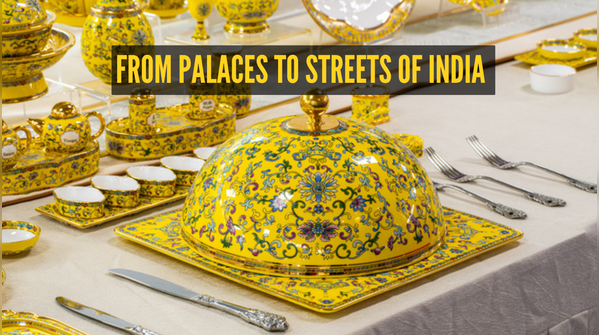
The journey of royal Indian dishes
Every dish evolves with time and that is the beauty of cooking. With the change in time, the ingredients have changed, as have their flavours, cooking utensils and even cooking techniques. This test of time is witnessed most by royal and lavish dining tables. What was once reserved for palace kitchens—slow-cooked meats, aromatic rice dishes, and indulgent sweets—is now adapted by street vendors and local eateries, making these regal flavours accessible to everyone. Their journey from royal courts to roadside stalls reflects the evolving nature of Indian cuisine. This piece of information explores nine such royal dishes that are now available as street food.
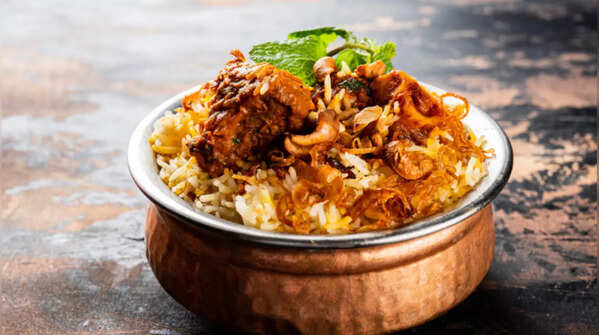
Biryani
This royal dish originated in the royal kitchens of Awadh and was prepared by slow-cooking rice and meat in a sealed pot, allowing the flavours to develop gradually. The flavours slowly became so popular that now one can enjoy it at a street stall too. When it comes to the USP of the dish, it is the slow-cooking process via dum that makes all the difference and makes it a must-try.
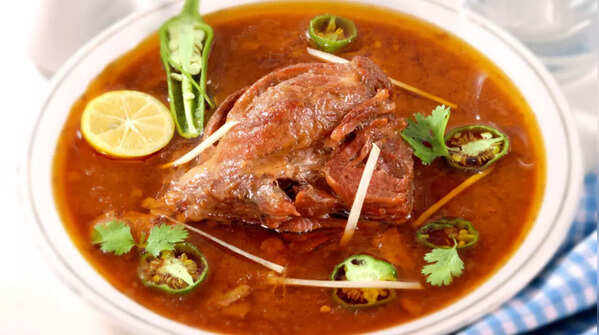
Nalli Nihari
This Mughlai stew made with marrow bones and aromatic spices was traditionally served as a royal breakfast. It requires long cooking hours but easy tricks are now being used to make it. It is a popular breakfast treat among various food walks and is enjoyed with sheermal or khamiri roti.
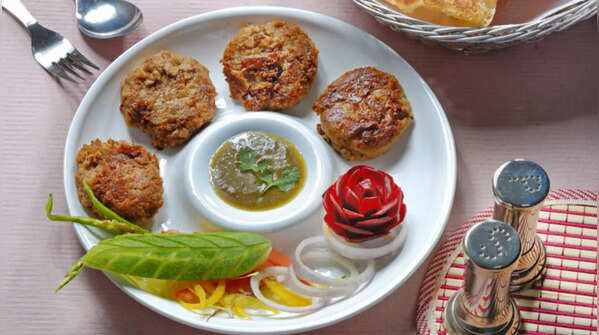
Galouti Kebab
It was created in Nawab Asaf-ud-Daula's Lucknow court for a toothless noble and was relished as a royal dish for generations before it became a street food delight across India. Today, in every city you will find street stalls serving these kebabs with ulte tawe ka paratha or rumali roti.
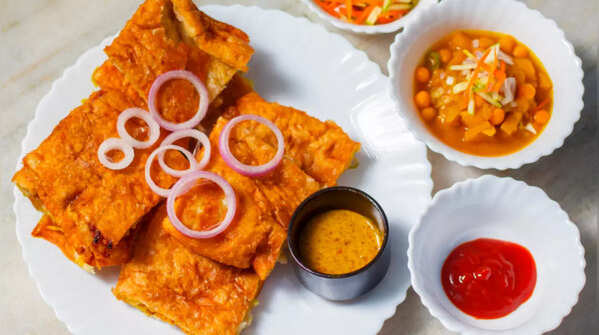
Mughlai Paratha
The name itself reflects royalty and is a treat for meat lovers, where refined flour dough balls are stuffed with minced meat and egg and then cooked to perfection. According to legends, it was a favourite among Mughal nobles and is now a street food delicacy that can be enjoyed in the bylanes of Chandni Chowk and more.
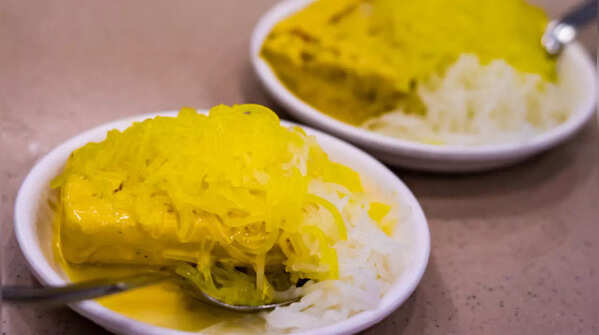
Faluda
According to food historians, this dish was adapted from Persian faloodeh and refined in Mughal courts. And now, it is a street food delight served in paper plates across Indian cities.
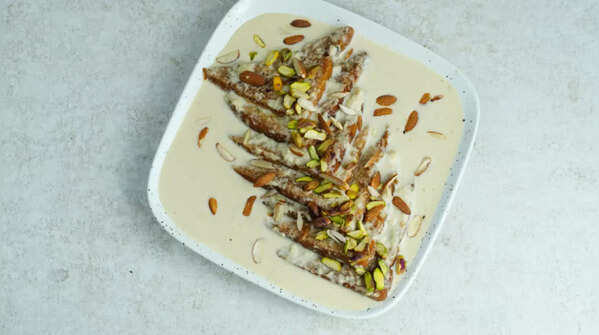
Shahi Tukda
It is made from crispy fried bread slices soaked in saffron-infused sugar syrup and topped with thick, creamy rabri; it’s a dessert that perfectly balances richness and texture. Garnished with slivered nuts, rose petals, and a hint of cardamom, Shahi Tukda is often served during festivals and special occasions. It is now easily available on the streets as an indulgent dessert.
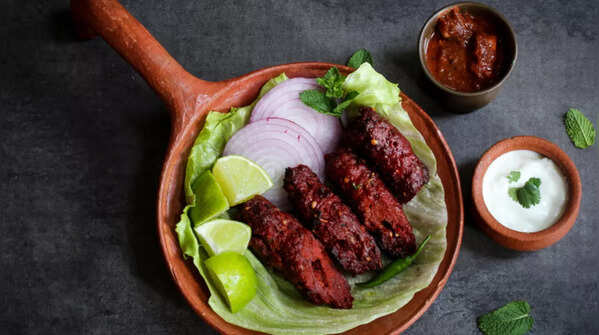
Kakori Kebab
These are ultra-soft spiced kebabs that were originally crafted for Kakori nawabs and are now grilled and sold on the streets as a street delicacy.
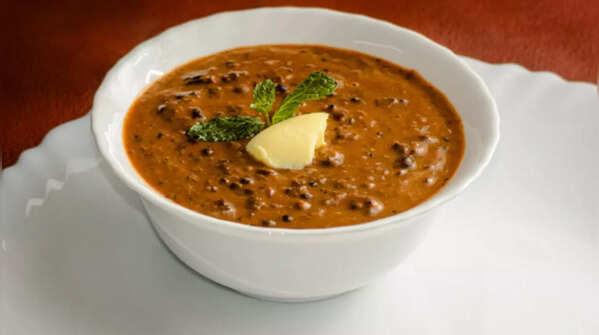
Dal Bukhara
It is a luxurious lentil preparation made with whole black urad dal, which is slow-cooked with butter and cream for hours, resulting in a rich, smoky flavour. This royal dish is now available at every dhaba and street stall serving North Indian thali. In some places it now uses a blend of onion and tomato gravy to make it even more enriching and flavourful. It is best served with roti, naan, or khamiri roti.
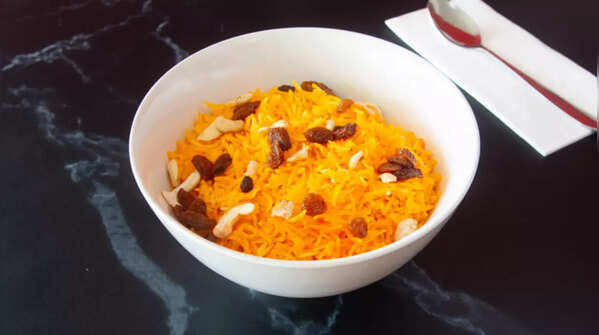
Zafrani Pulao
The use of saffron, ghee, and lots of dry fruits defines the royalty of the dish. It is now available on street stalls, where saffron is often replaced with food colours and you will hardly find nuts in every bite, except as a garnish.
Images Courtesy: istock
Featured In Food

MORE FROM ETIMES
life & style