
6 easy ways to include mushrooms for vitamin D
6 easy ways to include mushrooms for vitamin D
Vitamin D is one of those nutrients the body quietly depends on, and many people quietly lack. For most adults, the average daily requirement sits around 600 IU, increasing to 800 IU for older adults, yet deficiency remains common. Sunlight helps, but food sources matter too, especially on busy days or for those who spend most hours indoors. This is where mushrooms stand out. Their value lies not just in what they contain but in how easily they slip into everyday food. The trick isn’t simply eating mushrooms but using them in ways that feel natural, habitual, and repeatable. Here are six simple ways to do exactly that, without changing how you already eat.
Sun them briefly before cooking
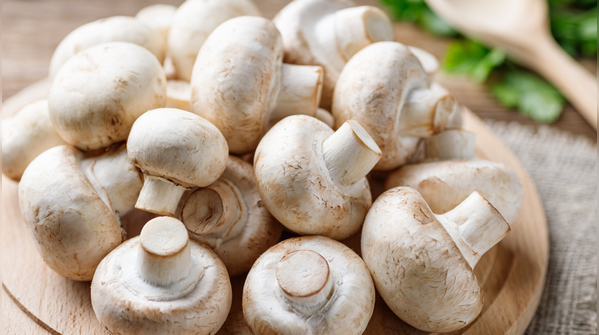
This step takes almost no effort and makes a real difference. Place fresh mushrooms gill-side up under direct sunlight for 20 to 30 minutes before cooking. This exposure boosts their vitamin D content naturally.
Once done, cook them as usual. The taste stays the same, the texture doesn’t change, but the nutritional value improves quietly. It’s an old-school trick that works especially well in Indian kitchens where sunlight is abundant.
Quick mushroom stir-fry for everyday meals
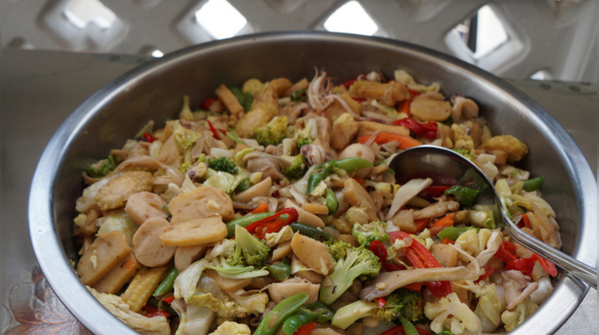
A fast stir-fry is one of the easiest ways to eat mushrooms more often. Slice mushrooms thick so they don’t shrink too much. Cook them on medium heat with a little oil, garlic, jeera, and a pinch of pepper. This works as a side with dal-chawal, roti, or even tucked into a lunchbox. Mushrooms absorb flavours quickly, so even minimal seasoning feels satisfying. Cooking them this way keeps the dish light and digestion-friendly.
Add them to parathas and rotis
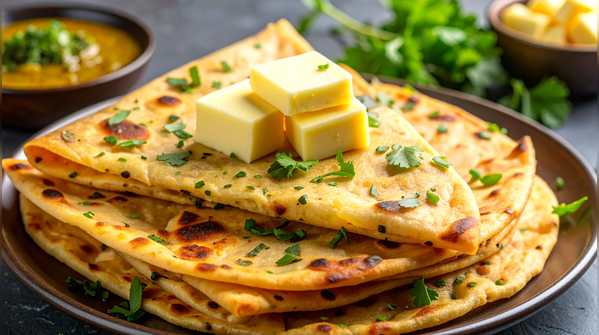
Mushrooms blend surprisingly well into Indian breads. Finely chop or grate mushrooms, sauté lightly to remove moisture, then mix with spices like dhania powder and a little ajwain. Use this as a paratha filling or mix it into atta for soft rotis. For children or picky eaters, this works especially well because mushrooms lose their “vegetable identity” and turn into part of the bread. Nutrition slips in without resistance.
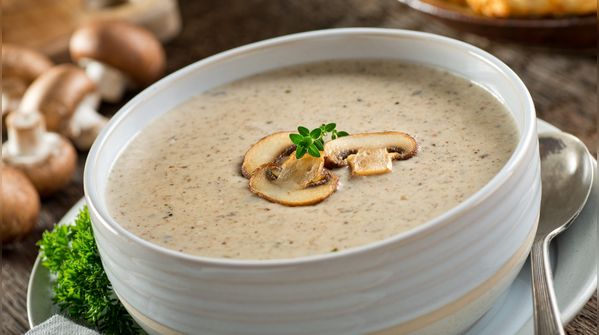
Comforting mushroom soup for low-sun days
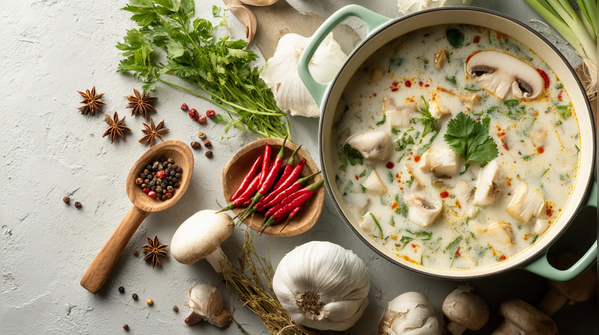
On days when sunlight is scarce, a warm mushroom soup feels grounding. Sauté mushrooms with onion or ginger, add water or stock, simmer, and blend lightly. Mushrooms naturally give a savoury, umami depth, so the soup feels rich without cream. Pair it with toast or have it alone in the evening. It’s easy on the stomach and helps add vitamin D when outdoor exposure is low.
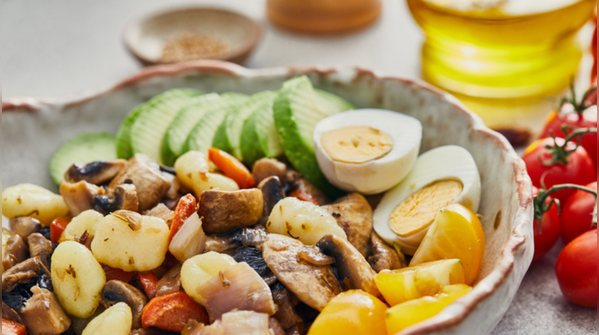
Raw mushroom salad, when fresh and clean
Fresh button mushrooms can be eaten raw if cleaned well. Slice thin and toss with lemon juice, olive oil, salt, and pepper. Add cucumber, paneer, lettuce, or even grated carrot for crunch. This works well in lunch or as a pre-meal salad. Lemon helps absorption and balances the earthy flavour. Keep portions moderate and stick to very fresh mushrooms for the best results.
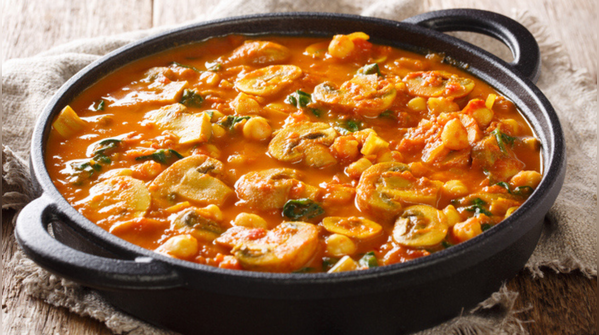
Mix into eggs, dal, or curries you already eat
Add mushrooms to omelettes, scrambled eggs, or even mixed vegetable curries. They work particularly well in lightly spiced gravies where their texture holds. For vegetarians, mushrooms pair well with moong dal, chana dal, or simple tomato-based curries. This approach works because nothing changes in the routine. The plate looks familiar, tastes familiar, but carries extra nutrition.
Featured In Food

