
6 popular snacks that were originally sold as medicine

6 popular snacks that were originally sold as medicine
Walk through a modern grocery store and it is easy to forget that some of the most familiar snacks on the shelves were born in a very different world, one shaped by sanitariums, patent medicines and 19th-century ideas about health. Long before they became lunchbox staples or late-night treats, a few beloved snacks were promoted as digestible cures, temperance foods or remedies for everything from weak stomachs to “nervous” lives. The result is one of food history’s strangest reversals: things once sold to improve the body are now eaten mostly for pleasure.
Here is a list of 6 famous snacks that were originally sold as medicine.
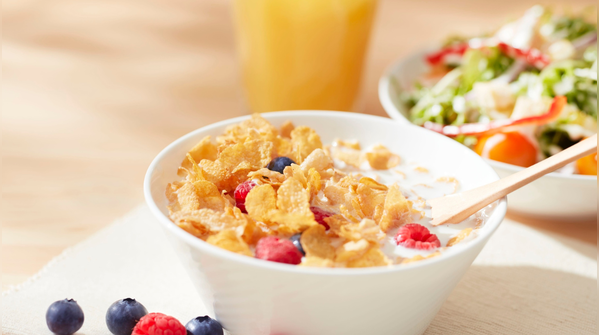
Corn flakes
Corn flakes were not invented as a sugary breakfast treat. Britannica says John Harvey Kellogg developed them from the health-food culture of the Battle Creek Sanitarium, where the flakes were first served to patients.
At the sanitarium, food was part of therapy. Patients were given simple, grain-based meals believed to calm digestion, restore balance and support a disciplined, health-focused lifestyle built around careful eating.
Smithsonian Institution describes them as an easily digested food for people with “bad stomachs". The commercial version that followed was a stark contrast to the original idea, but the product’s roots still lie in a world where breakfast could be treated like a prescription.
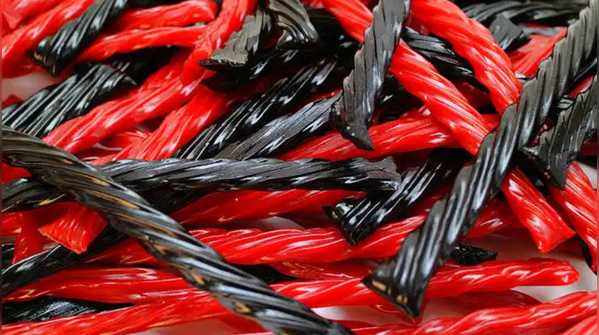
Licorice candy
Licorice is another snack with a long medical tail. Britannica describes licorice as both a confection and a folk medicine, noting that its roots have long been used in cough lozenges, syrups and elixirs. The same root that sweetened medicines eventually became candy in its own right. That evolution is typical of the whole category: something begins as a remedy, then survives because people decide it tastes good enough to keep.
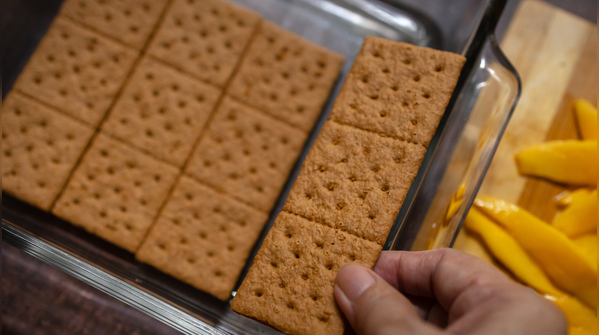
Graham cracker
The Graham cracker began with Sylvester Graham, a Presbyterian minister and health reformer who championed whole wheat flour and a strict diet in the early 1800s. Encyclopaedia Britannica traces the cracker to his 1829 invention, while the Smithsonian Institution notes that Graham believed plain, coarse food could help tame unhealthy appetites.
His ideas were part of a broader nineteenth-century movement that linked diet, morality and physical discipline in everyday life.
What began as a moral and dietary prescription became a pantry item so ordinary that most people now know it only as the base of a pie crust or a s’more.

Coca-Cola
Before it became one of the most famous soft drinks in the world, Coca-Cola began life as a medicinal tonic. In 1886, Atlanta pharmacist John Stith Pemberton created the syrup and sold it at soda fountains as a remedy for headaches, fatigue and nervous disorders. The drink was originally marketed as a temperance alternative to alcohol and was advertised as a refreshing brain tonic. Early versions even contained small amounts of coca leaf extract along with kola nut, which provided caffeine. While the medicinal claims gradually faded, the beverage itself became a cultural phenomenon, transforming from pharmacy curiosity to global soft drink giant.
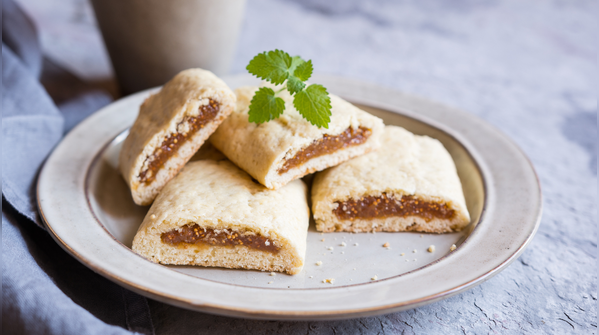
Fig Newtons
Fig Newtons were introduced in 1891, and by the end of the century, they had already acquired a health halo. Mental Floss notes that they were marketed as digestive aids, part of an era when doctors often blamed many illnesses on poor digestion.
At the time, figs themselves carried a reputation as a wholesome, almost medicinal ingredient. Rich in fibre and long associated with digestive health, they fit neatly into the late-nineteenth-century fascination with foods that promised gentle, everyday wellness through diet rather than through medicine.
The cookie itself may look like a simple fruit-filled pastry now, but its earliest pitch leaned on the old belief that a sweet, fig-based biscuit could do the body some good.
Marshmallows
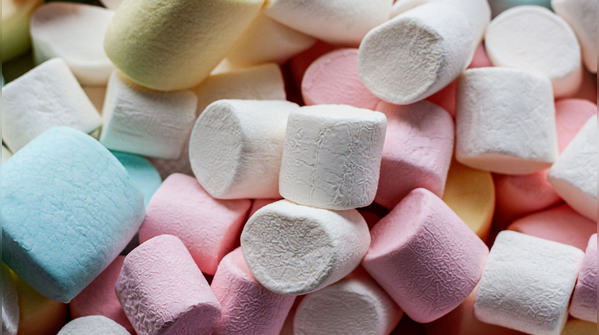
Marshmallows are perhaps the clearest example on this list. Britannica says the candy originated as a medicinal syrup and ointment made from the marsh mallow plant, while Smithsonian notes that the plant was used to soothe sore throats and other irritations. Over time, the medicinal paste was transformed into the fluffy confection we know today. It is a reminder that even the softest supermarket treats can have a hard-edged medical past.

Jell-O
Gelatin desserts like Jell-O were once closely tied to health claims. Smithsonian explains that gelatin was promoted in the late 19th and early 20th centuries as a nourishing and easily digestible food, often recommended for people recovering from illness. Hospitals frequently served gelatin to patients because it was light and gentle on the stomach. The colourful dessert that later became a picnic favourite began its life as something closer to a restorative dish than a party snack.
Featured In Food

