
6 most bizarre ways coffee beans are made around the world

How these coffee beans are processed?
For every cafephile, coffee is not merely a beverage, it's a lifestyle that revolves around patience, aroma, and textures. And when it comes to brewing coffee, it is a blend of art, science, and techniques which impacts the notes of every sip. While for a common man, coffee is all about ready-to-drink instant coffee mix or the freshly brewed ones available at cafes. But, the reality is totally different. When it comes to the world of coffee, there are different ways of harvesting coffee beans, which result in different experiences and flavours. Here are six most bizarre ways coffee beans are made around the world that you should know about.
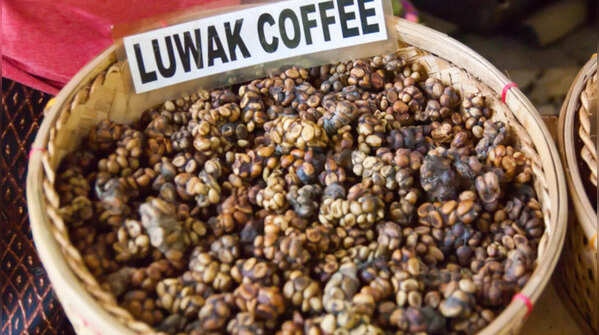
Civet Coffee (Kopi Luwak – Indonesia)
This is one of the most controversial and expensive coffees, commonly known as Kopi Luwak. As per legends, this originated in Indonesia, where coffee cherries are eaten by civet cats and later collected from their droppings. As the coffee cherries pass through the animal’s digestive system, natural enzymes break down proteins in the beans, which is believed to reduce bitterness and create a smoother, less acidic flavour. According to historians, civet coffee emerged during the Dutch colonial era, when Indonesian farmers—barred from harvesting coffee for themselves and collected beans from civet droppings instead. With the raising awareness around animals and their existence, civet coffee has raised serious ethical concerns.
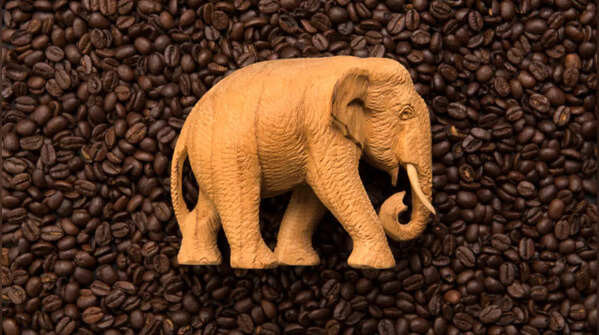
Elephant Coffee (Black Ivory – Thailand)
This coffee is native to Thailand and as per the traditional practice, elephants are fed ripe coffee cherries, which pass through their digestive system before the beans are collected from their dung. It is said that during this process, the elephant’s stomach enzymes break down proteins in the beans, reducing bitterness and producing a smoother, richer flavour profile. It is said to have notes of cacao/chocolate, pu'erh tea, tamarind, date, plum, a hint of tobacco and without the burnt or bitter taste of regular coffee.

Bird-Processed Coffee (Brazil & Costa Rica)
This variety of coffee is native to the Brazil and Costa Rica region, in which certain bird species eat ripe coffee cherries and regurgitate or pass the beans. During the natural digestion process, the beans undergo mild fermentation, which makes the beans smoother and reduces bitterness and results in a unique coffee blend which is often fruity or floral.
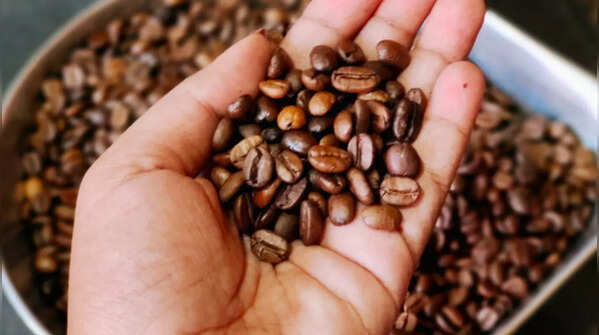
Monsoon Coffee (India)
This variety of coffee is native to India and is primarily produced in Malabar region of Kerala. In this, after harvesting, green coffee beans are exposed to the humid monsoon winds for several weeks in well-ventilated warehouses and this weathering process causes beans to swell, lose some color and develop a mellow, and earthy flavour. As per historians, traditionally, this was done to make coffee more suitable for export during the colonial era, but it eventually became a prized flavour, which has an earthy and nutty taste. It is low in acidic content and offers a hint of spice and chocolate, reminiscent of monsoon rains.
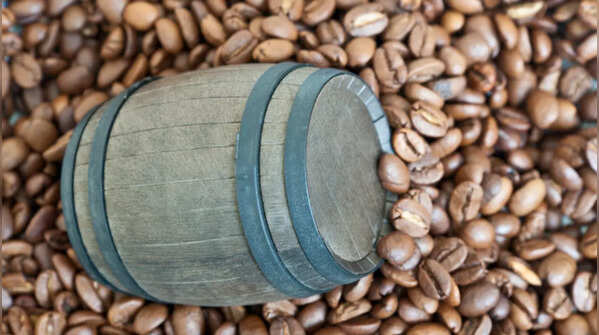
Aged Coffee (Barrel-Aged Beans)
This coffee variety celebrates the aging of beans, where ordinary beans transform into a deeply mellow, aromatic brew through the passage of time. For this coffee, green beans are stored under controlled conditions in burlap sacks, barrels, or warehouses. During this storage period, moisture, temperature, and oxygen slowly alter the beans’ structure, reducing acidity and softening sharp flavours. Under this process, some producers even age the beans in whiskey, rum, or wine barrels, absorbing aromas before roasting. The result tastes boozy—without the buzz. This is practiced in India, Indonesia, and parts of specialty coffee regions in Europe and the Caribbean.
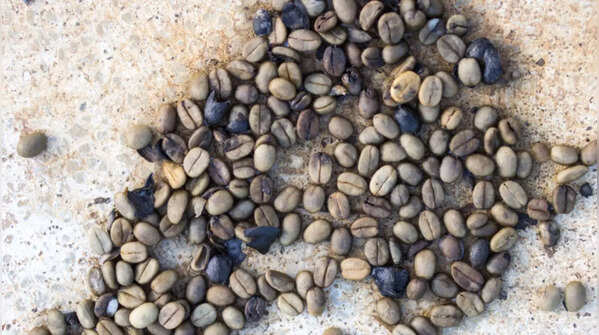
Sea-Aged Coffee (Underwater Storage)
Practiced mostly in Japan, Indonesia, and the Caribbean, this is one of the most unusual and experimental ways to process coffee, where coffee beans are aged underwater in sealed containers, where pressure and temperature alter the ageing process, giving the beans a mellow and rounded profile. It is said that pressure, temperature, and mineral-rich seawater subtly influence the beans, and the process is also called ocean-aged coffee. It is a very rare coffee variety as logistics are complex and risks of leaks and spoilage are extremely high.
Images Courtesy: istock
Featured In Food

