
6 foods that may cause bloating if eaten too often

6 foods that may cause bloating if eaten too often
Bloating is one of the most common digestive complaints people experience. It often shows up as a feeling of tightness, heaviness, or swelling in the stomach, sometimes accompanied by gas or discomfort. While occasional bloating is normal, eating certain foods too frequently can make the problem worse. Many of these foods are actually healthy and nutritious. The issue usually arises when they are consumed in large quantities or when the digestive system struggles to break down certain components such as fiber, natural sugars, or fermentable carbohydrates. Scroll down to discover six common foods that may contribute to bloating when eaten too often.
Beans and lentils
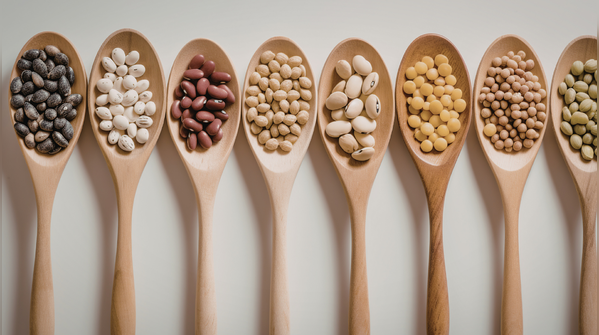
Beans, chickpeas, rajma, and lentils are widely praised for their protein and fibre content. However, they are also one of the most common causes of bloating. These foods contain complex carbohydrates known as raffinose, a type of sugar that the human body cannot fully digest in the small intestine. When these carbohydrates reach the large intestine, gut bacteria ferment them, producing gas. Eating beans too frequently or in large portions may therefore lead to bloating and flatulence. Soaking legumes overnight and cooking them thoroughly can help make them easier to digest.

Cruciferous vegetables
Vegetables such as broccoli, cabbage, cauliflower, and Brussels sprouts are rich in fibre, vitamins, and antioxidants. Yet they are also known for causing digestive discomfort in some people. These vegetables contain compounds that release gas during digestion, especially when eaten raw or in large quantities. The fibre content, while beneficial for gut health, can sometimes overwhelm the digestive system if introduced too quickly. Cooking these vegetables lightly, such as steaming or sautéing, often makes them easier to digest and reduces the likelihood of bloating.

Dairy products
Milk, paneer, cheese, and ice cream can cause bloating for people who have difficulty digesting lactose, the natural sugar found in milk. In individuals with lactose intolerance, the body does not produce enough of the enzyme lactase needed to break down lactose. As a result, the sugar travels to the large intestine where bacteria ferment it, producing gas and discomfort. This can lead to symptoms such as bloating, stomach cramps, and gas. Some people find that fermented dairy products like yogurt or curd are easier to digest than milk.

Carbonated beverages
Soft drinks, sparkling water, and soda are another common trigger for bloating. The reason is simple: these drinks contain dissolved carbon dioxide gas. When consumed, the gas can become trapped in the digestive system, leading to pressure and a feeling of fullness in the stomach. Drinking these beverages frequently may increase the likelihood of bloating, especially when consumed quickly. Replacing carbonated drinks with plain water, lemon water, or herbal teas can often reduce digestive discomfort.
Onions and garlic
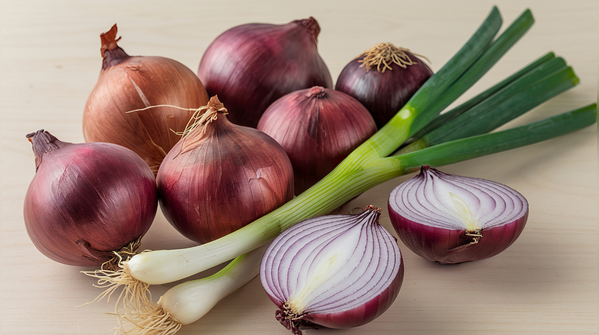
Onions and garlic are staples in many kitchens and add flavour to countless dishes. However, they contain natural compounds that can cause digestive issues for some people. These foods are high in fermentable carbohydrates known as FODMAPs (Fermentable Oligosaccharides, Disaccharides, Monosaccharides and Polyols). These carbohydrates can be difficult for the small intestine to absorb.
When they reach the large intestine, gut bacteria ferment them, which can produce gas and lead to bloating, especially when onions or garlic are eaten raw or in large amounts.
Processed and salty foods
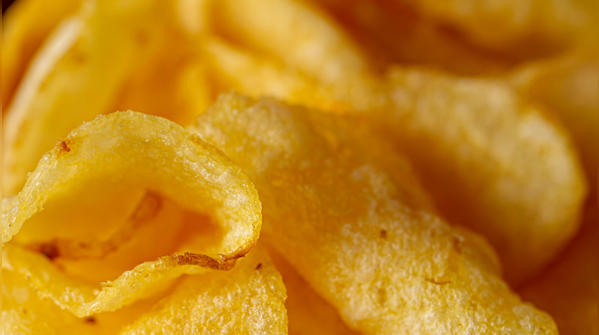
Highly processed foods such as packaged snacks, chips, and instant meals may also contribute to bloating. These foods often contain large amounts of sodium. Excess sodium can cause the body to retain water, leading to a swollen or bloated feeling in the abdomen. In addition, processed foods sometimes contain additives and preservatives that may irritate the digestive system.
Many of these products are also low in fibre and high in refined ingredients, which can slow digestion and disturb the natural balance of gut bacteria. Over time, frequent consumption may make the digestive system more sensitive, increasing the chances of discomfort after meals.
Reducing the intake of packaged snacks and focusing on freshly prepared meals can help maintain a more comfortable digestive balance.

Balance matters more than elimination
Experiencing bloating from certain foods does not necessarily mean they should be removed completely from the diet. Many of the foods that cause bloating, such as legumes and vegetables are nutritionally valuable. The key lies in moderation, portion control, and paying attention to how the body responds. Cooking methods, meal timing, and individual tolerance can all influence digestion. By recognising common triggers and adjusting eating habits gradually, many people can enjoy a varied diet while keeping bloating to a minimum.
Featured In Food

MORE FROM ETIMES
life & style