
5 foods you should never combine with milk and the reason has an interesting culinary angle

5 foods you should never combine with milk and the reason has an interesting culinary angle
Milk is often described as a complete food, nourishing, calming, and deeply restorative. In Indian households, it is given to children for growth, to elders for strength, and to the unwell for recovery. Yet according to Ayurveda and traditional dietary wisdom, milk is also one of the most sensitive foods. When combined incorrectly, it can disrupt digestion, create toxins (ama), and quietly affect long-term health. Here are five foods you should never combine with milk, not as rigid rules, but as practical guidance rooted in how the body actually processes food.

1. Milk and fruits (especially citrus fruits)
This is one of the most common yet harmful combinations. Fruits, especially citrus fruits like oranges, lemons, pineapples, and strawberries, are acidic. Milk, on the other hand, is heavy, cooling, and slow to digest.
When consumed together, the acidity of fruits causes milk to curdle inside the stomach. This interferes with digestion and may favor bloating, gas, heaviness, skin issues, or sinus congestion.
Even sweet fruits like bananas are discouraged with milk. Though popular in smoothies, banana and milk together can slow digestion, increase mucus formation, and leave the body feeling dull rather than energised.
Culinary reason: Acidic and high-sugar fruits destabilise milk’s delicate structure, causing curdling and a flat, chalky aftertaste that overwhelms its natural sweetness.
Better option: Have fruits alone or milk alone, with at least a one-hour gap.

2. Milk and fish
In traditional wisdom, milk and fish are considered a strongly incompatible combination. Milk is cooling, while fish is heating. Their opposing energies are believed to disturb digestion and blood chemistry.
This combination has long been associated with skin disorders, inflammation, and allergies. While not everyone may experience immediate discomfort, Ayurveda suggests that repeated consumption can create internal imbalance over time. Even if modern diets dismiss this pairing as harmless, traditional observation noticed patterns that unfolded slowly, not instantly.
Culinary reason: The strong umami and oils of fish overpower milk’s mild profile, creating flavour dissonance and an unclean finish on the palate.
Better option: Avoid dairy when consuming fish-based meals.

3. Milk and salty foods
Popular combinations like milk with salted snacks, namkeen, or even cheese-heavy salty meals can lead to acidity, bloating, and water retention. Over time, this may weaken digestion and affect skin health.
Culinary reason: Salt flattens milk’s subtle sweetness and disrupts its creamy balance, leaving the mouth feeling coated but unsatisfied.
Better option: Keep milk-based foods mildly sweet or neutral.

4. Milk and sour foods
Sour elements cause milk to coagulate improperly, creating digestive discomfort and toxin buildup. This combination is often linked to nausea, indigestion, and a heavy feeling in the stomach. In traditional diets, even sour fruits or tamarind-based dishes were kept far away from milk consumption.
Culinary reason: Sour elements force milk to curdle abruptly, ruining its smooth mouthfeel and creating a sharp, broken taste.
Better option: If you’ve eaten something sour, wait at least two hours before having milk.
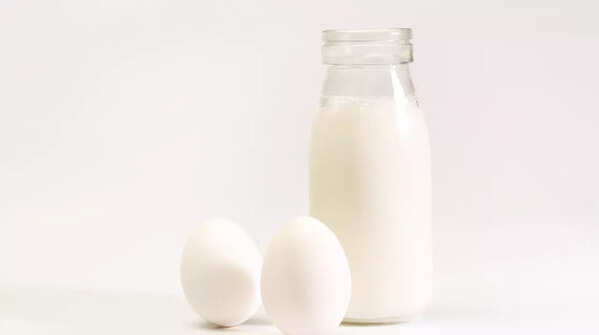
5. Milk and eggs
Though modern breakfasts often pair milk and eggs, traditional dietary systems discourage this combination. Eggs are heating and protein-dense, while milk is cooling and fat-rich.
Together, they can overload digestion, especially for people with sensitive stomachs. This combination may lead to sluggish digestion, gas, or skin issues over time. The problem is not the foods individually, but the digestive burden they create together.
Culinary reason: Two heavy, protein-rich ingredients compete rather than complement, resulting in a dense flavour profile that feels sluggish and overloaded.
Better option: Have eggs with vegetables or grains and milk separately.
Why milk needs special care
Milk is not just another beverage; it is considered a rasayana, a rejuvenating food with a naturally subtle flavour. It requires a calm digestive environment to be absorbed properly. When mixed with incompatible foods, its flavour and nourishing quality are believed to diminish, making it harder to process.
This is why traditional diets often favoured consuming milk alone, warm, and at specific times, usually early morning or at night.
Signs your milk combinations aren’t working for you
•Frequent bloating or gas
•Mucus buildup or sinus issues
•Skin breakouts or itching
•Heaviness after meals
•Sluggish digestion
If you notice these signs, reviewing your food combinations can make a noticeable difference.
Featured In Food

