
4 everyday foods that naturally keep your arteries clear
4 everyday foods that naturally keep your arteries clear
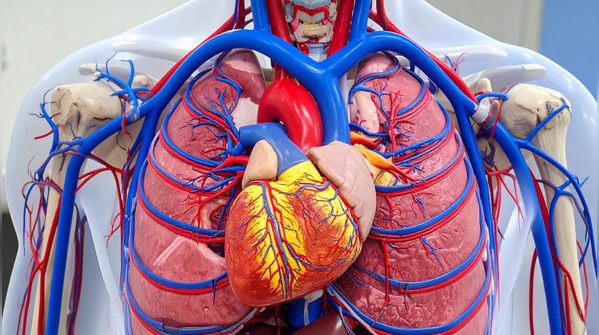
Arterial plaque doesn’t appear in one dramatic moment; it builds slowly through cholesterol deposits, inflammation and sticky blood lipids that harden over time. The hopeful part? Everyday foods can counter this process. Certain ingredients act like internal “clean-up crews,” lowering LDL cholesterol, calming inflammation, and keeping blood flowing the way it should. And these aren’t exotic or expensive additions; they’re items most Indian kitchens already use casually. Here are four foods, backed by strong data, that support clearer, healthier arteries.
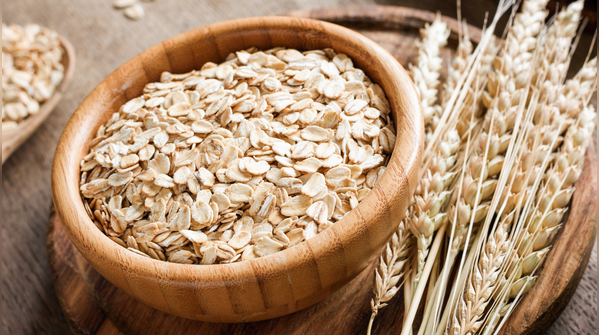
Oats: a fibre that actively lowers LDL
Oats stand out for their beta-glucan content - a soluble fibre that directly binds to cholesterol in the gut. Numerous controlled studies show that 3 grams of beta-glucan per day lowers LDL cholesterol by 5–10% within weeks. That’s significant because LDL is the main driver of plaque buildup inside arteries.
In practical terms, a single bowl of rolled or steel-cut oats delivers around 2.5–3 grams of beta-glucan. Regular intake also improves total cholesterol levels and reduces inflammation markers linked to heart disease. When eaten consistently, whether as savoury masala oats, a warm porridge or overnight oats - they keep cholesterol from sticking to artery walls.
Cook oats as a savoury porridge with mustard seeds, curry leaves, vegetables, and a little ghee instead of sugar. They also work well as overnight oats soaked in curd or milk with nuts and seeds. Avoid instant flavoured packets to keep the fibre effect intact.
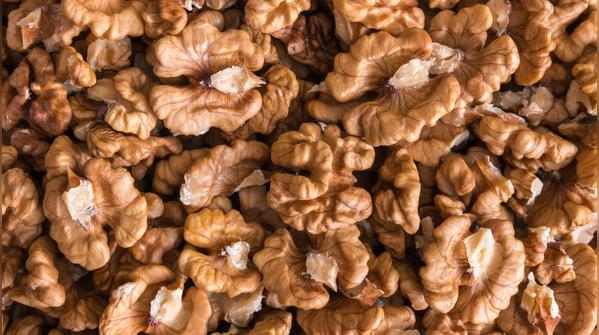
Walnuts: Measurable improvements in cholesterol and blood vessel health
Walnuts are one of the most researched nuts for cardiovascular protection. In a large, year-long human trial, people who ate a handful of walnuts daily experienced:
4–6% reduction in harmful small LDL particles,
4–5 mg/dL drop in LDL cholesterol,
Improved blood vessel elasticity.
These changes matter because small, dense LDL particles are the ones most likely to lodge into artery walls and create plaque.
Walnuts owe this power to ALA (a plant omega-3), vitamin E and polyphenols - compounds that reduce inflammation and oxidative stress inside blood vessels. Even 4-6 soaked walnuts a day are enough to show benefits. And importantly, studies consistently show no weight gain in people who add walnuts to their diet, easing a common worry. Magnesium and potassium in walnuts help regulate blood pressure, easing stress on arterial walls.
Soak walnuts overnight and eat them plain in the morning, or roughly chop and add them to salads, sabzis, or curd bowls. Light dry roasting is fine, but avoid deep roasting or frying, which damages healthy fats.
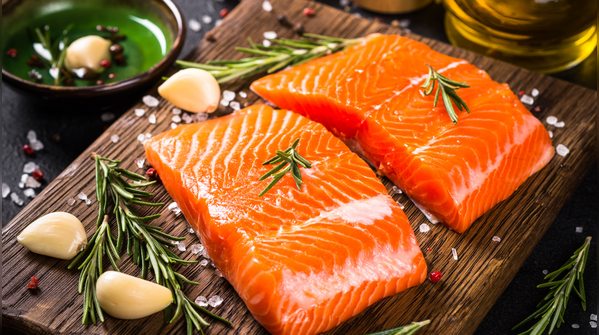
Fatty fish: Clinically proven omega-3 support
Fatty fish like salmon, sardines, bangda (mackerel), trout, provide EPA and DHA, two omega-3s shown to improve multiple heart markers. Research across different populations shows that eating omega-3-rich fish:
Lowers triglycerides by 15–30%,Reduces blood pressure slightly,
Decreases inflammation in artery walls
Improves blood flow and prevents platelets from clumping.
When triglycerides drop, the blood becomes less “sticky”, reducing the likelihood of plaque growth. People who consume fatty fish 1–2 times a week consistently show lower rates of heart disease and arterial stiffness compared to those who rarely eat fish.
While supplements show mixed results, actual fish intake continues to demonstrate clear benefits in long-term data.
Cook fish using gentle methods like pan-grilling, steaming, or shallow cooking with minimal oil. Traditional Indian preparations like mustard-based curries or simple turmeric-and-garlic marinades work well. Avoid deep-frying to preserve omega-3 content.
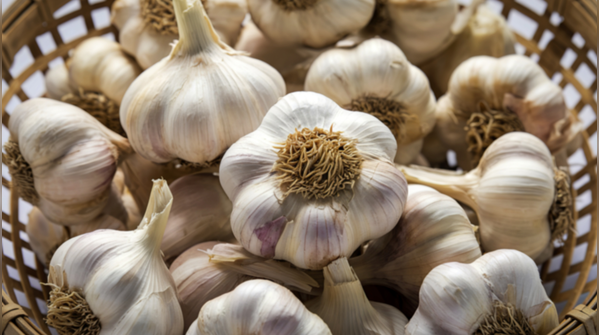
Garlic: Small daily amounts that shift blood pressure and lipid markers
Garlic has been part of traditional heart remedies for generations, and modern data backs its reputation. Multiple human studies show that regular garlic consumption can meaningfully improve cholesterol levels, blood pressure regulation, and overall blood vessel function over time.
Lower total cholesterol by 7–10%,
Reduce LDL by 5–15% in some groups,
Modestly reduce blood pressure,
Improve blood vessel dilation.
The key compound, allicin, forms when garlic is crushed or chopped. It helps relax blood vessels, making it easier for the heart to pump blood without strain. Even one clove a day, raw or lightly cooked can contribute to cleaner, more flexible arteries over time. And because garlic is already a staple in dals, sabzis and chutneys, incorporating it isn’t a task.
Crush or finely chop garlic and let it sit for 5–10 minutes before cooking to activate allicin. Add it towards the end of cooking in dals, sabzis, or stir-fries, or lightly sauté it in oil without browning. Raw garlic can also be mixed into chutneys for stronger effects. Consistency matters more than quantity, and benefits tend to build gradually, especially when garlic is part of an overall balanced, fibre-rich diet rather than used as a quick fix.
Featured In Food

