
10 purple foods so nutritious they deserve a daily place on your plate
10 purple foods so nutritious they deserve a daily place on your plate
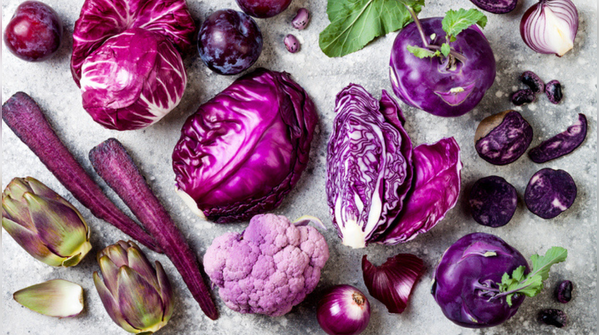
Purple foods have never needed marketing. They’ve existed quietly in traditional diets long before nutrition labels and antioxidants became buzzwords. Their colour comes from anthocyanins, a plant compounds linked to reduced inflammation, better blood vessel function, and cellular protection. But beyond science, purple foods tend to share something else: depth. In flavour, in texture, and in nourishment. Eating them daily doesn’t mean chasing rarity or trends. Many are already part of Indian kitchens or local markets. When included regularly, they add balance rather than hype. Here are ten purple foods that work best not as occasional “superfoods,” but as everyday nourishment...
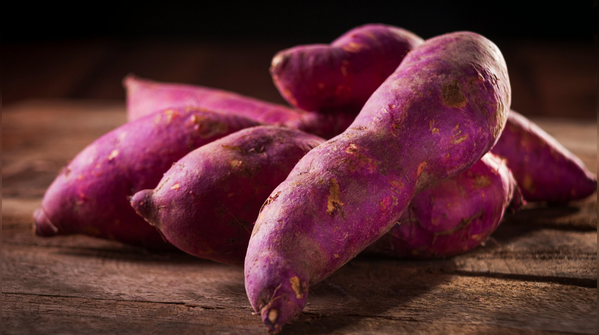
Purple sweet potato
Purple sweet potatoes release energy slowly, keeping blood sugar steadier than refined starches. Their deep colour signals a high antioxidant load that supports circulation and metabolic health. Roasted, steamed, or added to curries, they offer satiety without heaviness, making them ideal for regular meals.
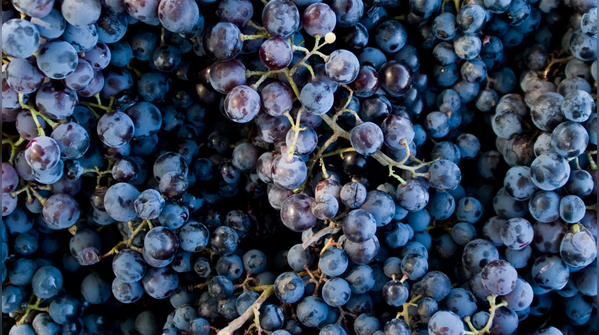
Black grapes
Black grapes, eaten whole with skin intact, support heart health through compounds like resveratrol and anthocyanins. They help protect blood vessels and manage oxidative stress. As a snack or added to fruit bowls, they deliver natural sweetness without processed sugar.
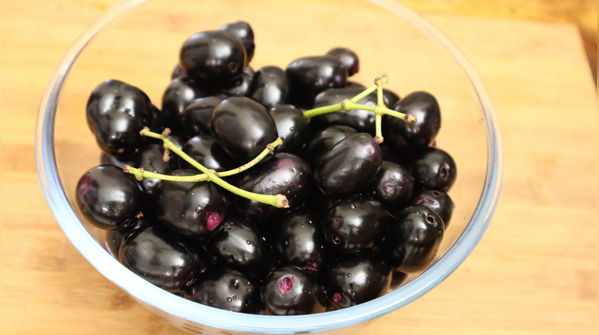
Jamun
Jamun has long been associated with blood sugar balance in traditional diets. Its compounds slow glucose absorption and support insulin response. Rich in iron, potassium, and gut-friendly fibre, jamun works best eaten whole during its season, not extracted into syrups.
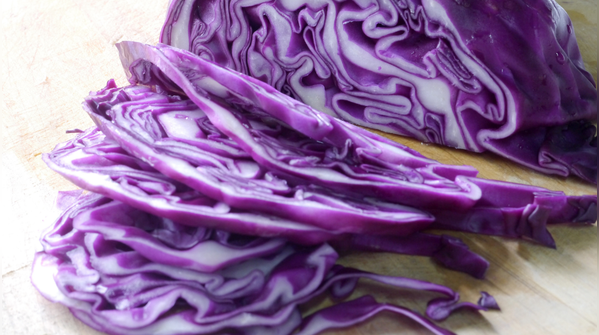
Purple cabbage
Purple cabbage offers more antioxidants than its green counterpart and supports liver function, immunity, and digestion. Its vitamin C content aids collagen formation, while fibre supports gut health. Raw slaws, lightly sautéed sabzis, or quick stir-fries preserve its benefits well.
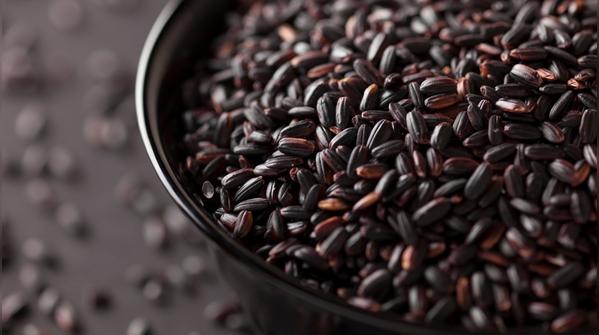
Black rice
Black rice digests more slowly than polished white rice, helping regulate blood sugar and appetite. Its anthocyanins support heart health, while iron and fibre add nutritional depth. It doesn’t need to replace daily rice - but rotating it into meals adds variety and balance.
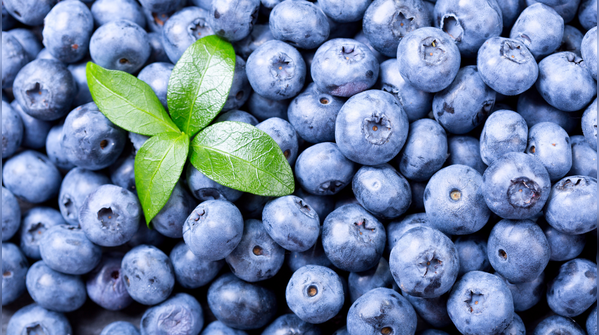
Blueberries
Blueberries are widely studied for brain health. Their compounds support memory, cognitive function, and vascular integrity. Even small daily portions offer benefits, especially when eaten whole. They work well in curd bowls, oats, or as a standalone snack.
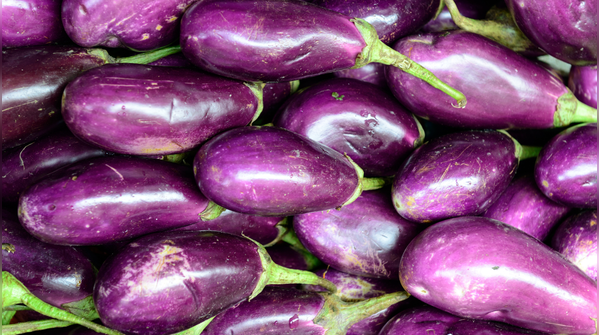
Purple brinjal
The skin of brinjal contains nasunin, an antioxidant linked to cellular and brain protection. Low in calories and high in fibre, brinjal supports digestion when cooked with minimal oil. Simple roasting or slow cooking works better than deep frying.
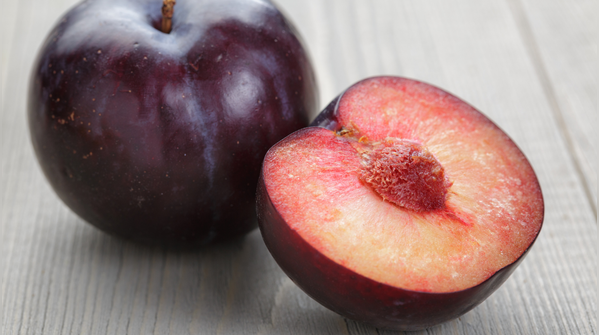
Black plums
Black plums support digestion through fibre and natural acids that stimulate digestive enzymes. They also help regulate appetite and blood sugar when eaten whole. Their polyphenols contribute to gut and metabolic health without overwhelming the system.
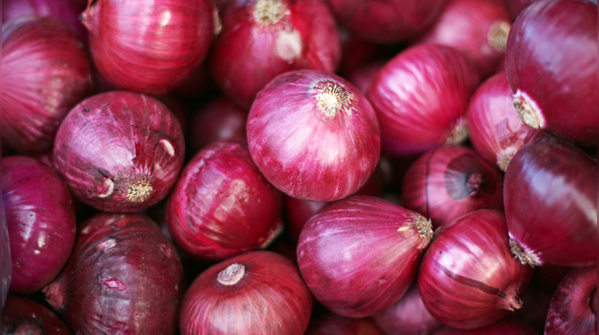
Red onion
Red onions are rich in quercetin, a compound associated with reduced inflammation and improved immune response. They also support heart health by improving lipid metabolism. Using them raw in salads or lightly cooked in sabzis preserves much of their nutritional value.
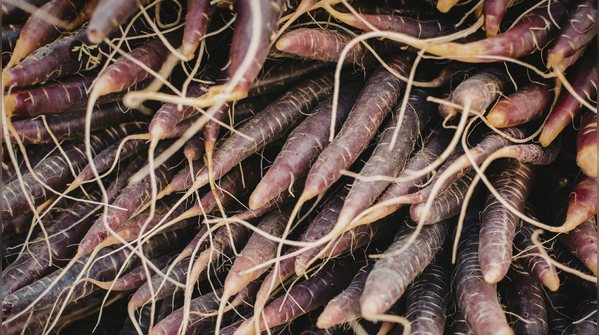
Purple carrots
Purple carrots offer a unique combination of anthocyanins and beta-carotene, supporting eye health, immunity, and inflammation control. Compared to orange carrots, they provide stronger antioxidant support and fit easily into salads, stir-fries, or juices.
Featured In Food

MORE FROM ETIMES
life & style