
10 popular spicy dishes in the world
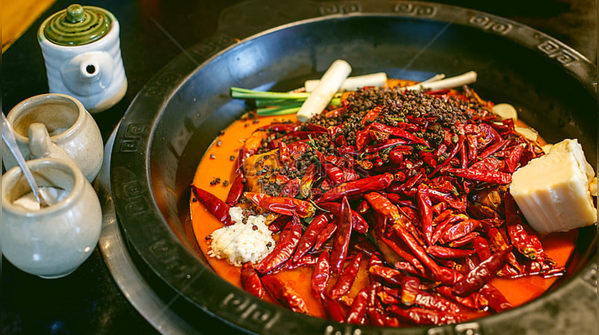
10 popular spicy dishes in the world
Spice means different things in different parts of the world. In some cuisines, it burns sharply. In others, it numbs, lingers, or slowly builds until the body surrenders. What connects the world’s spiciest dishes is not just heat, but intent. These are foods designed to test tolerance, celebrate local chillies, and prove that fire has cultural meaning, not just shock value. Here are ten dishes widely regarded as among the hottest on the planet.
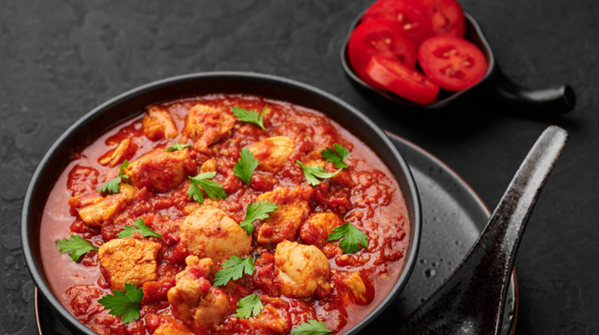
Phaal curry
Often called the spiciest curry ever created, phaal was developed in the UK by South Asian chefs as a heat challenge rather than a traditional dish. It uses multiple high-heat chillies and little sweetness or fat to soften the blow. The result is aggressive, immediate, and overwhelming. Eating it is less about flavour and more about endurance.
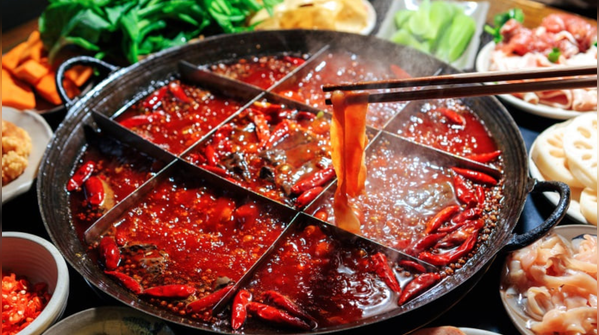
Sichuan hot pot
Sichuan hot pot delivers a double assault: intense chilli heat and mouth-numbing peppercorns. The broth is packed with dried chillies, chilli oil, and aromatics that cling to everything cooked in it. The spice doesn’t fade quickly. It lingers, buzzes, and keeps returning with every bite.
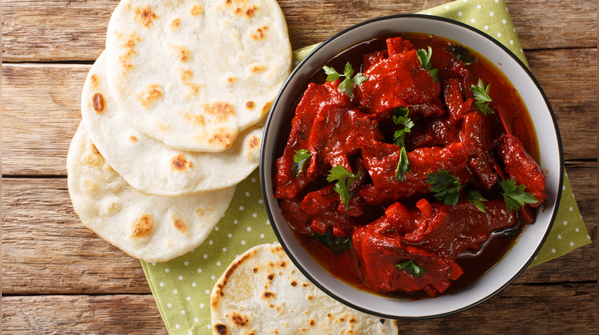
Laal Maas
This Rajasthani lamb curry is defined by its deep red colour and uncompromising heat. Traditionally made with local red chillies rather than garam masala blends, laal maas burns slowly and deeply. The richness of the meat balances the spice, but the heat remains unapologetic.
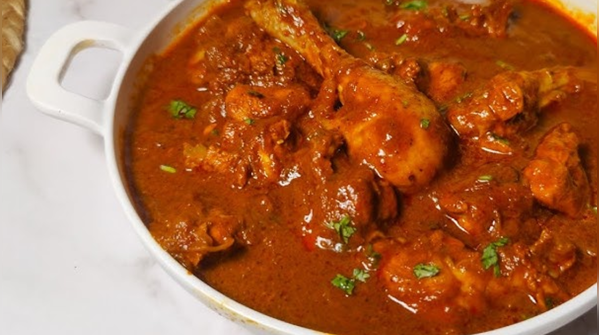
Goan Vindaloo
Authentic Goan vindaloo bears little resemblance to its mild restaurant versions. Made with vinegar, garlic, and a heavy dose of dried red chillies, it is sharp, sour, and fiercely hot. The spice cuts through the richness, leaving no room for sweetness or relief.
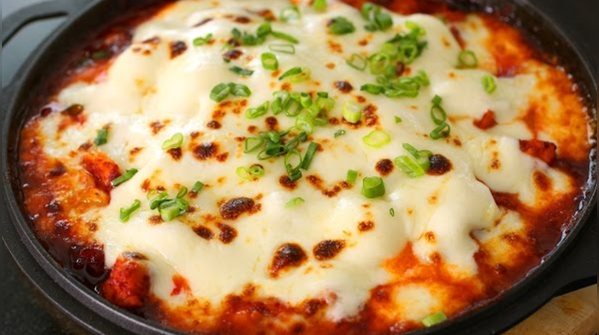
Buldak (fire chicken)
Buldak is Korean spice taken to its extreme. Chicken is coated in a thick chilli paste that is smoky, sweet, and violently hot. It became globally popular through online spice challenges, but at its core, it’s street food meant to test limits while still delivering flavour.
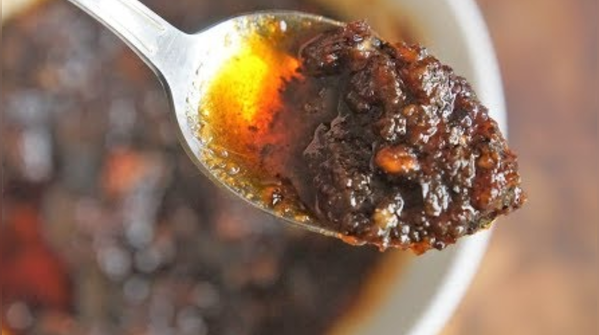
Nam Prik–based Thai dishes
Certain Thai chilli pastes, especially those made with bird’s eye chillies, lime, and fish sauce, are brutally hot. When mixed into rice or stir-fries, they create dishes that sting instantly and repeatedly. Thai spice isn’t just heat; it’s precision, delivered without apology.
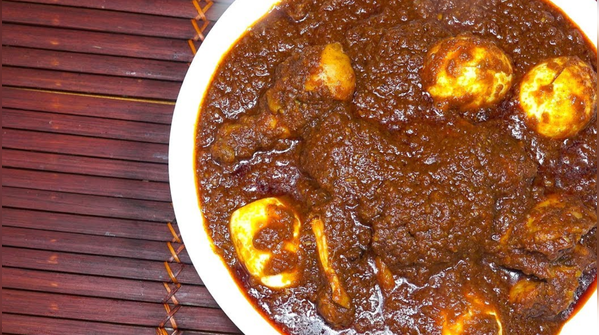
Doro Wat
This Ethiopian chicken stew uses berbere, a spice blend heavy on dried chillies and warming spices. The heat builds gradually, spreading warmth through the body rather than striking instantly. It’s rich, complex, and deceptively intense when eaten in generous portions.
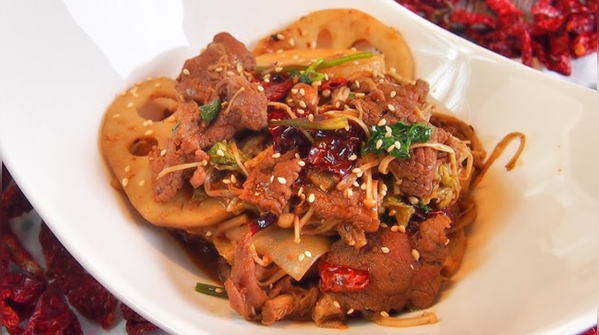
Mala Xiang Guo
Unlike hot pot, mala xiang guo is dry-fried. Vegetables and meats are tossed with chilli oil, dried chillies, and Sichuan peppercorns until coated in spice. The lack of broth concentrates the heat, making every bite punchy, numbing, and persistent.
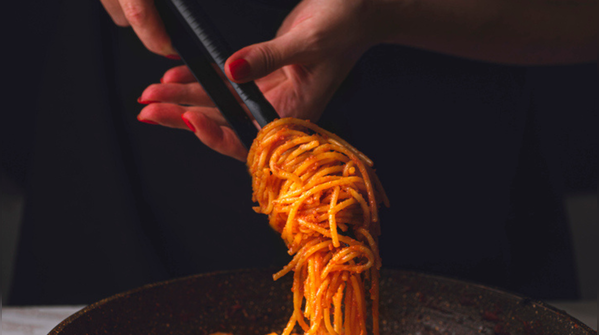
Spaghetti All’assassina
From southern Italy, this dish surprises many with its intensity. Spaghetti is cooked directly in chilli-heavy tomato sauce until slightly charred. The heat is sharp and smoky, showing that extreme spice isn’t limited to Asian cuisines, and locals prize the blistered edges and concentrated flavour that come from letting the pasta toast in the pan, creating a caramelised crust, deeper tomato sweetness, and a fiery kick that lingers long after the last forkful is gone.
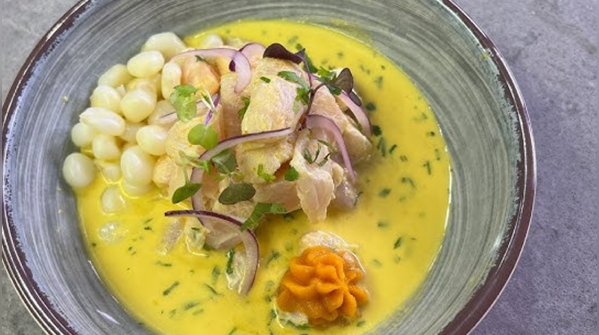
Ají Amarillo–based Peruvian dishes
Peruvian dishes using ají amarillo can look mild but deliver serious heat. The chilli’s fruity notes mask its strength, creating a delayed burn that grows with each bite. Combined with creamy sauces or potatoes, the contrast makes the spice feel even stronger.
Featured In Food

